How Kyrgyz cuisine works
Lamb, beef and horse meat matter in festive and home cooking, but the cuisine is not only about meat. It also includes noodles, pastries, fermented dairy, grain drinks, bread and seasonal vegetables. The balance changes by region and household.
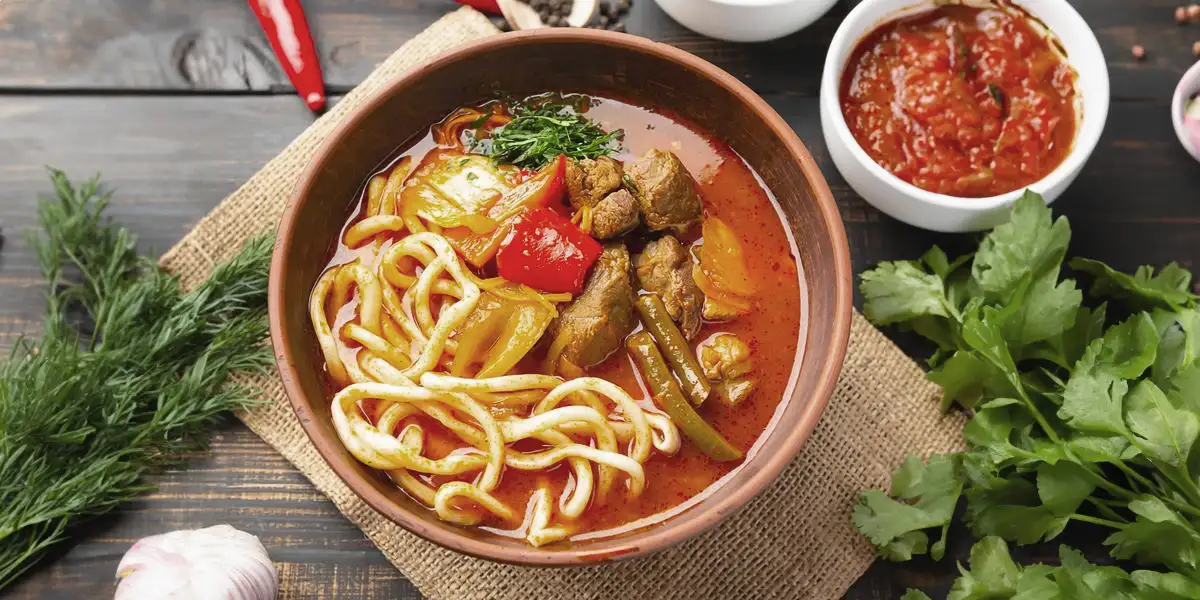
Influences from Uzbek, Uyghur and Dungan cooking are more visible in the south, where plov, lagman, hot sauces and cold ashlyam-fu are familiar. The north and highlands are more often associated with meat dishes, milk tea and pastoral products. This is a useful guide, not a strict border.
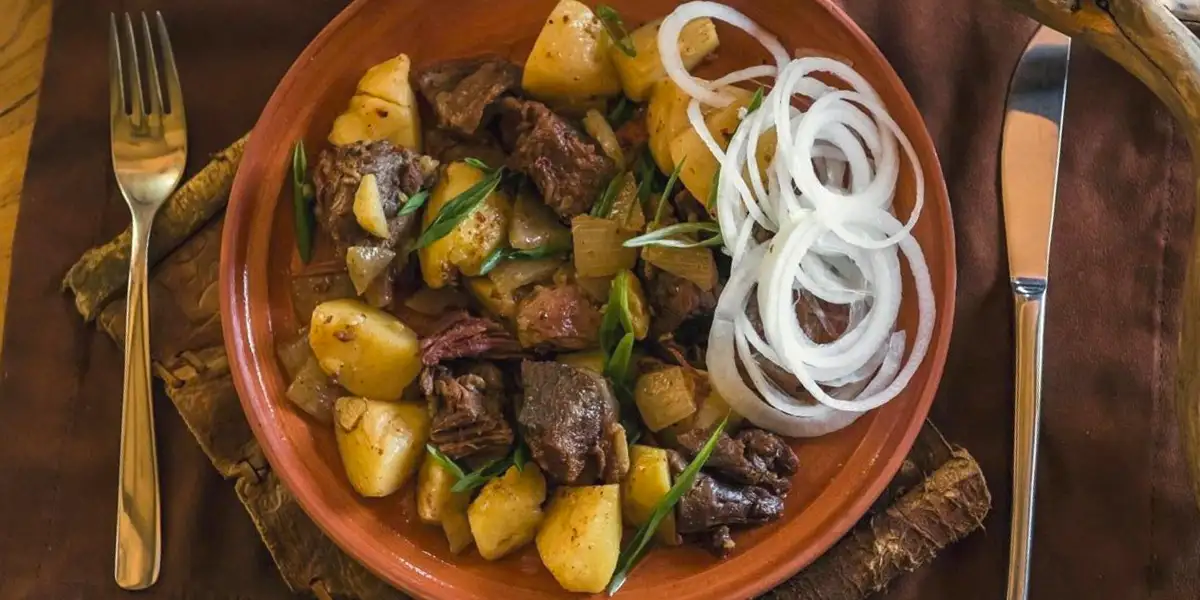
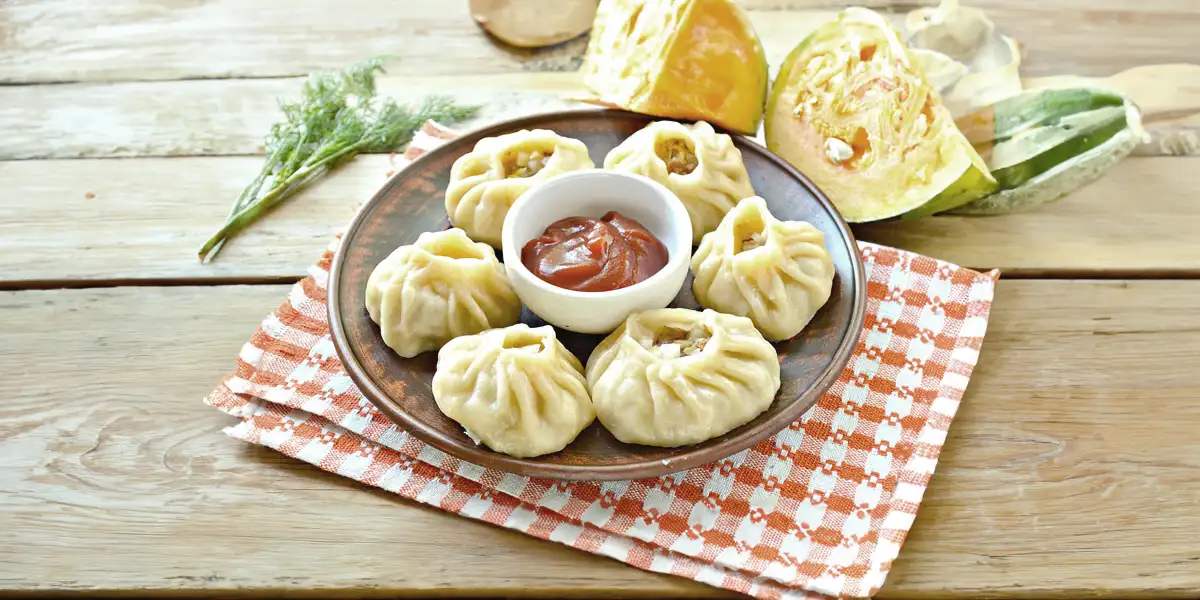
A dish name does not guarantee one recipe. Manty may contain meat, pumpkin or a mixed filling; kuurdak may be made with or without potatoes; and lagman changes with the sauce and noodles. In a good café, ask how that kitchen prepares the dish instead of looking for one “correct” version.
Main dishes, snacks and soups
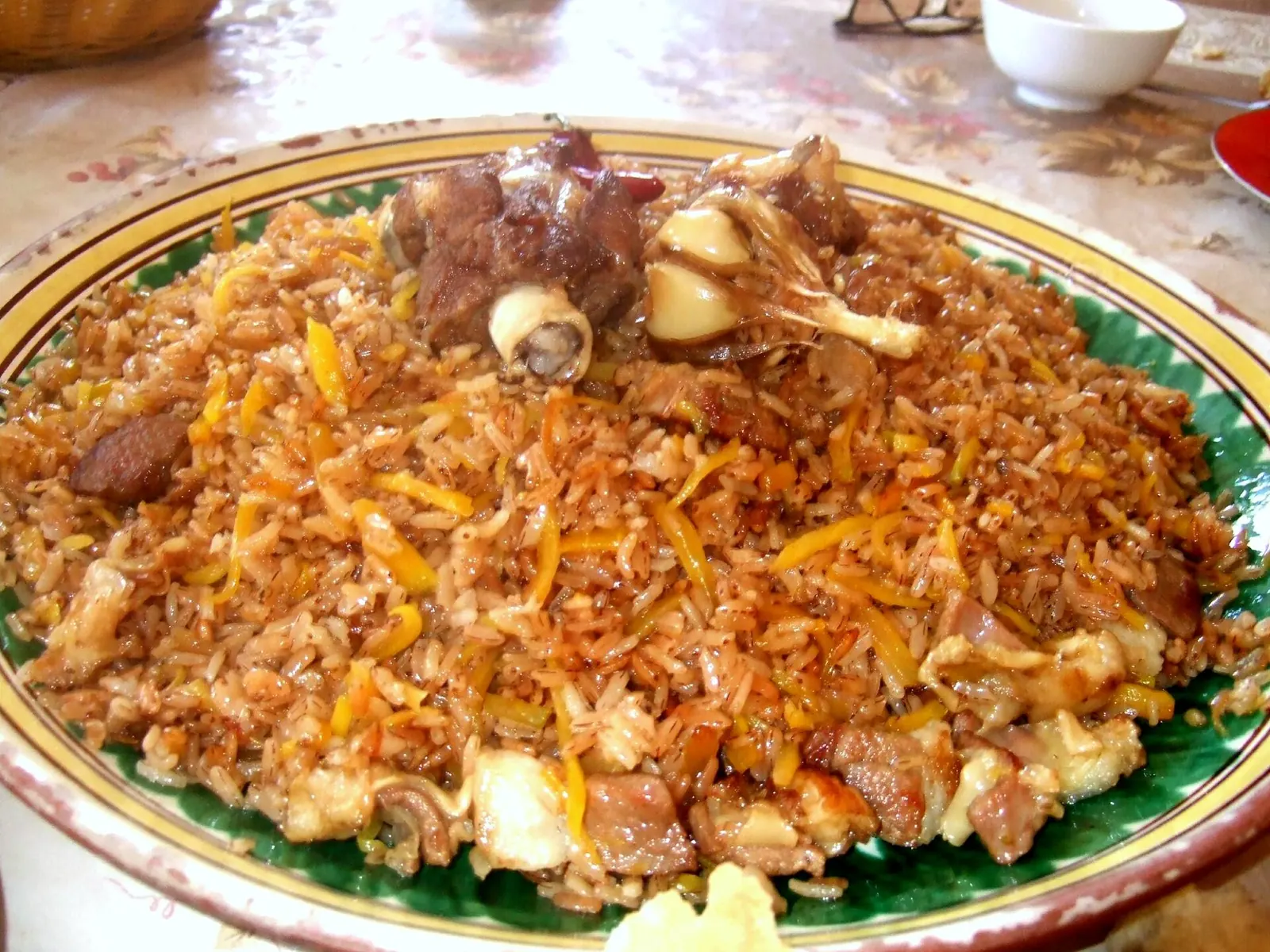
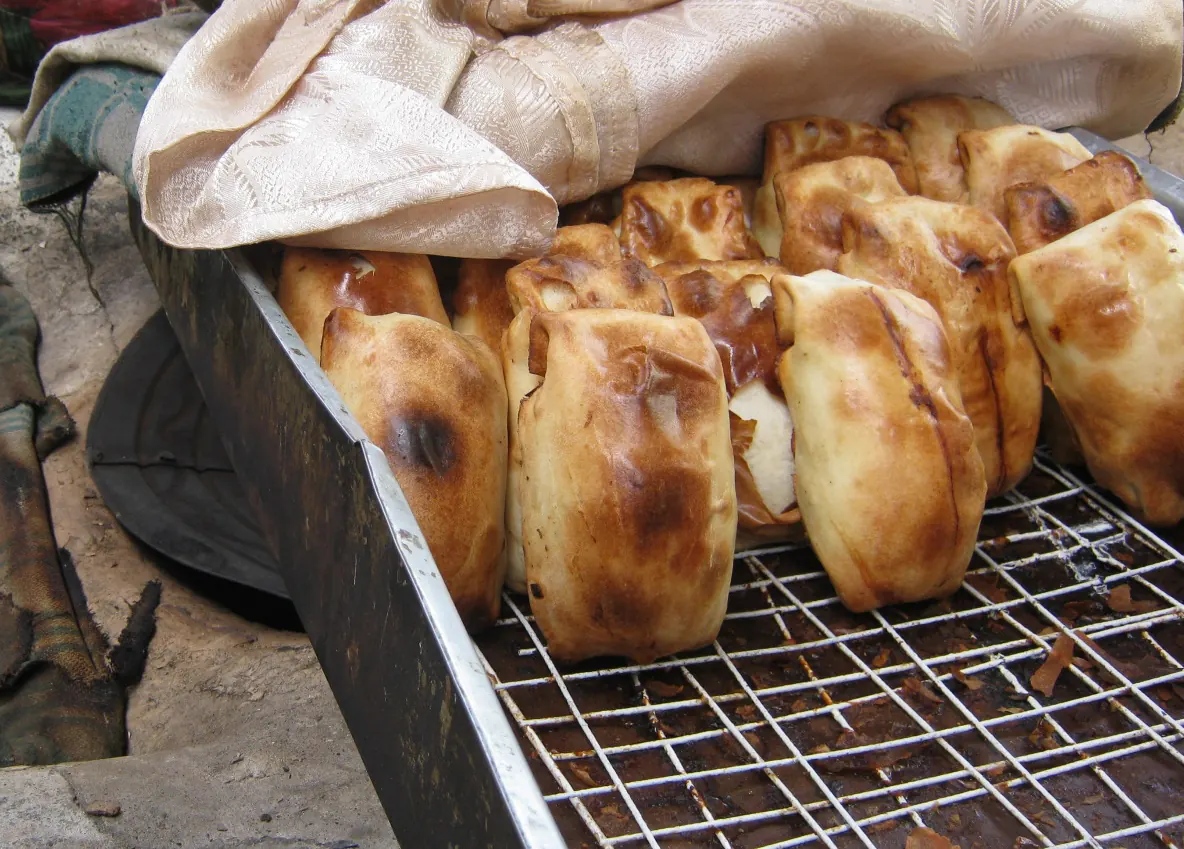
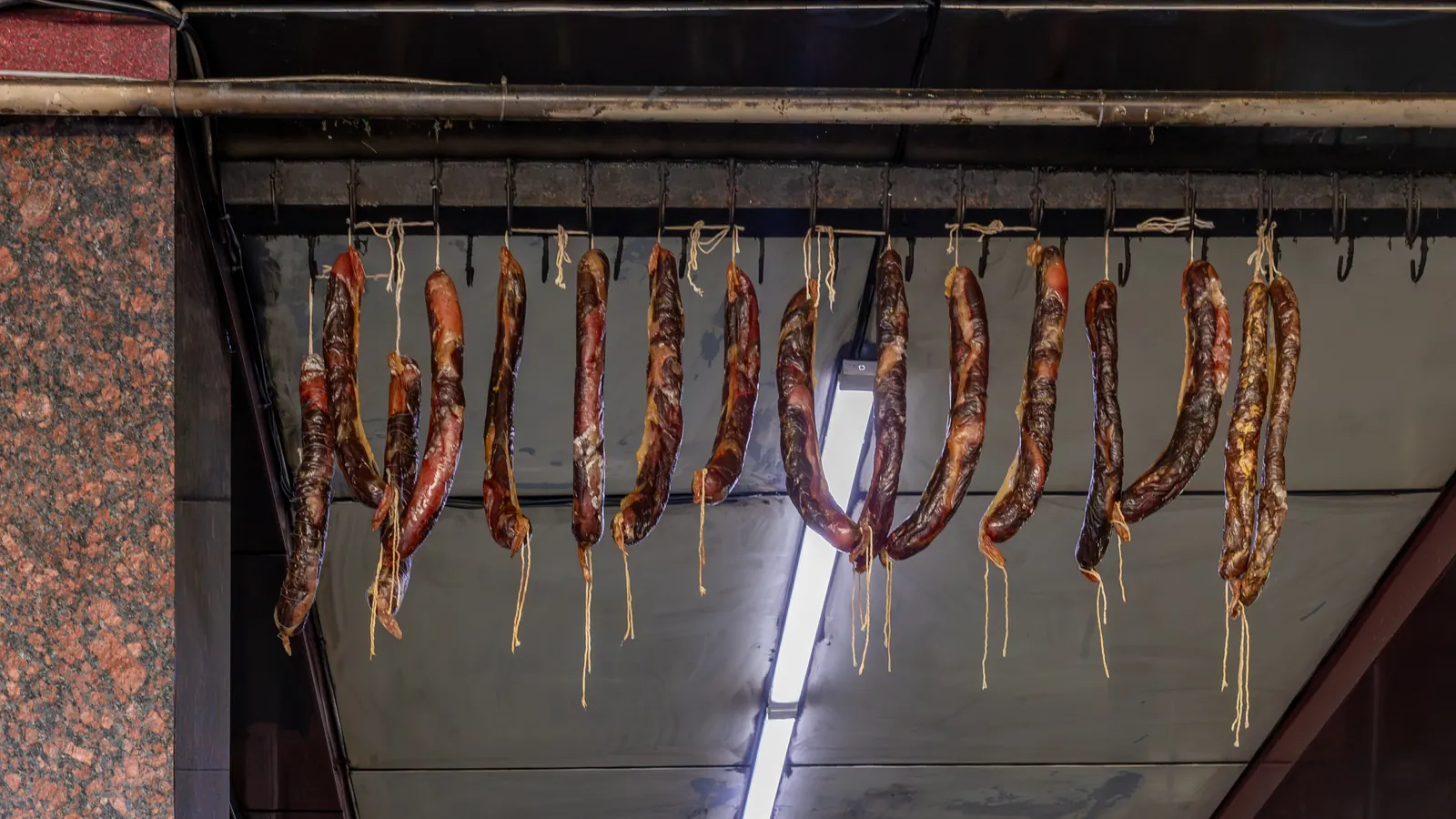
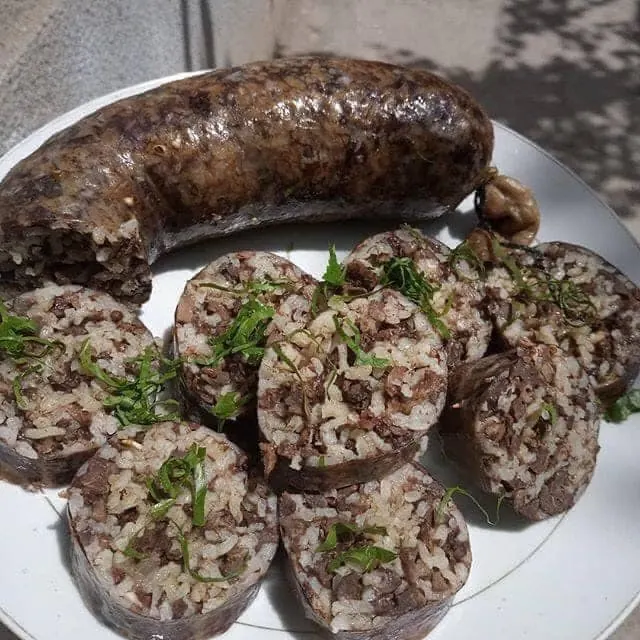
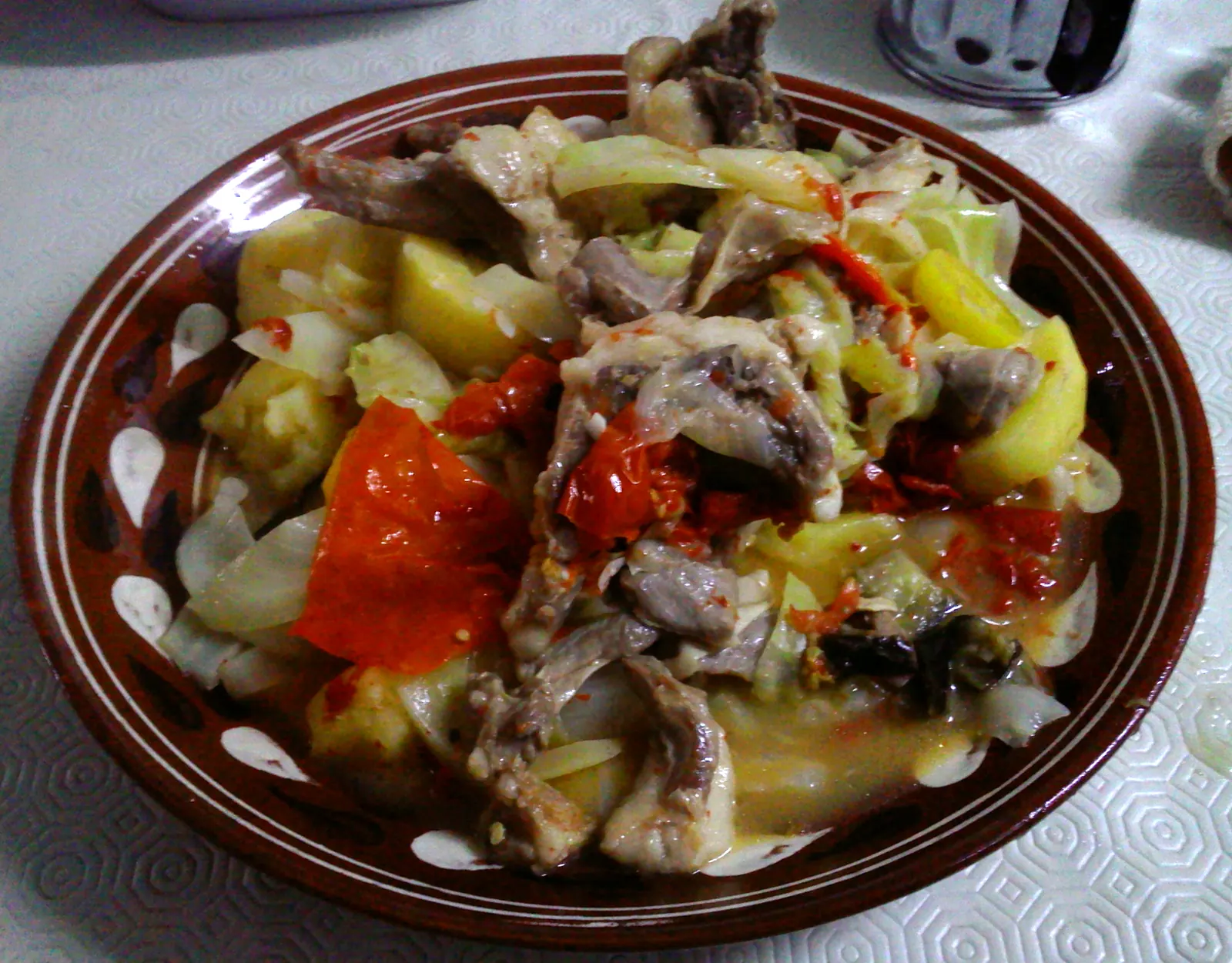
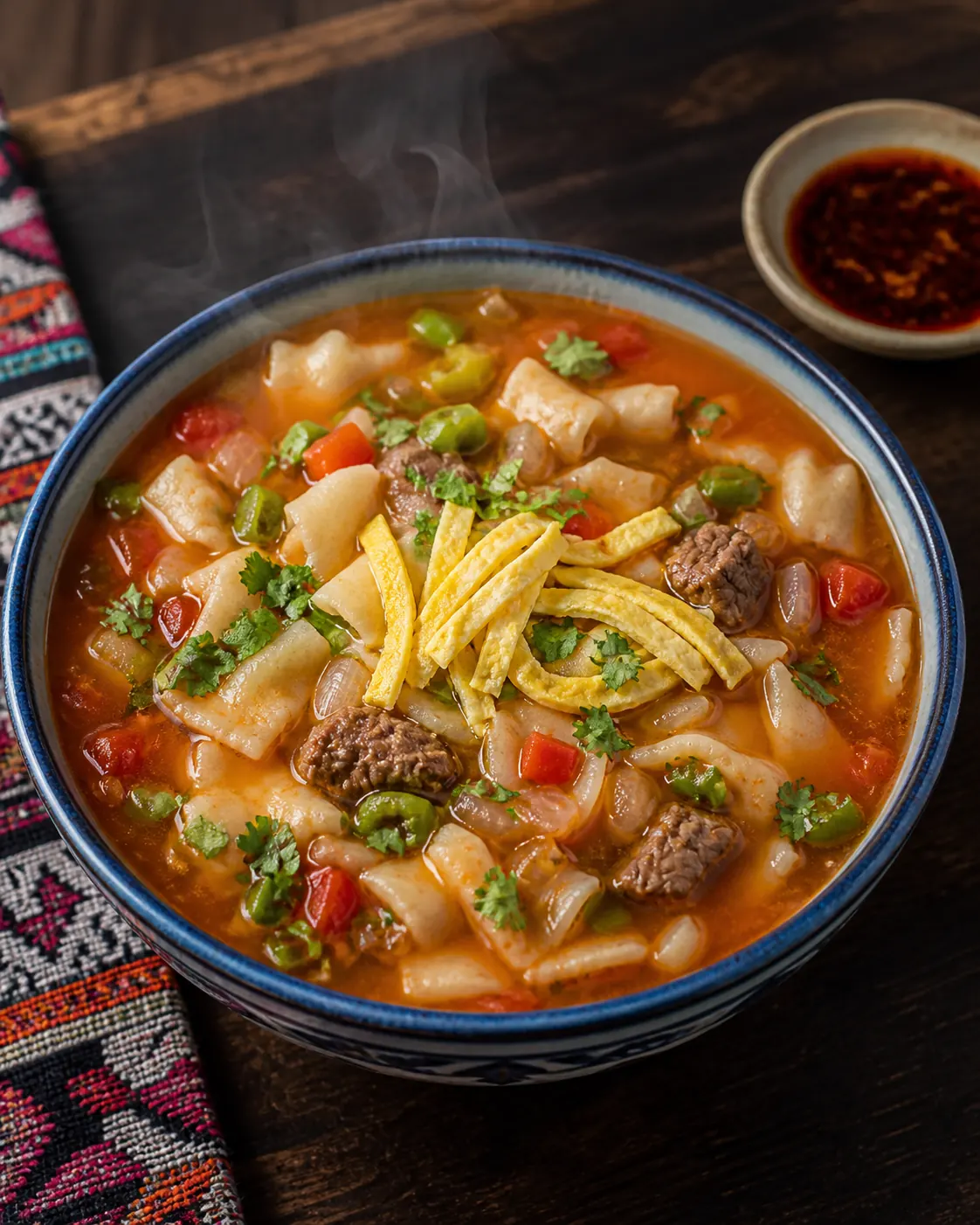
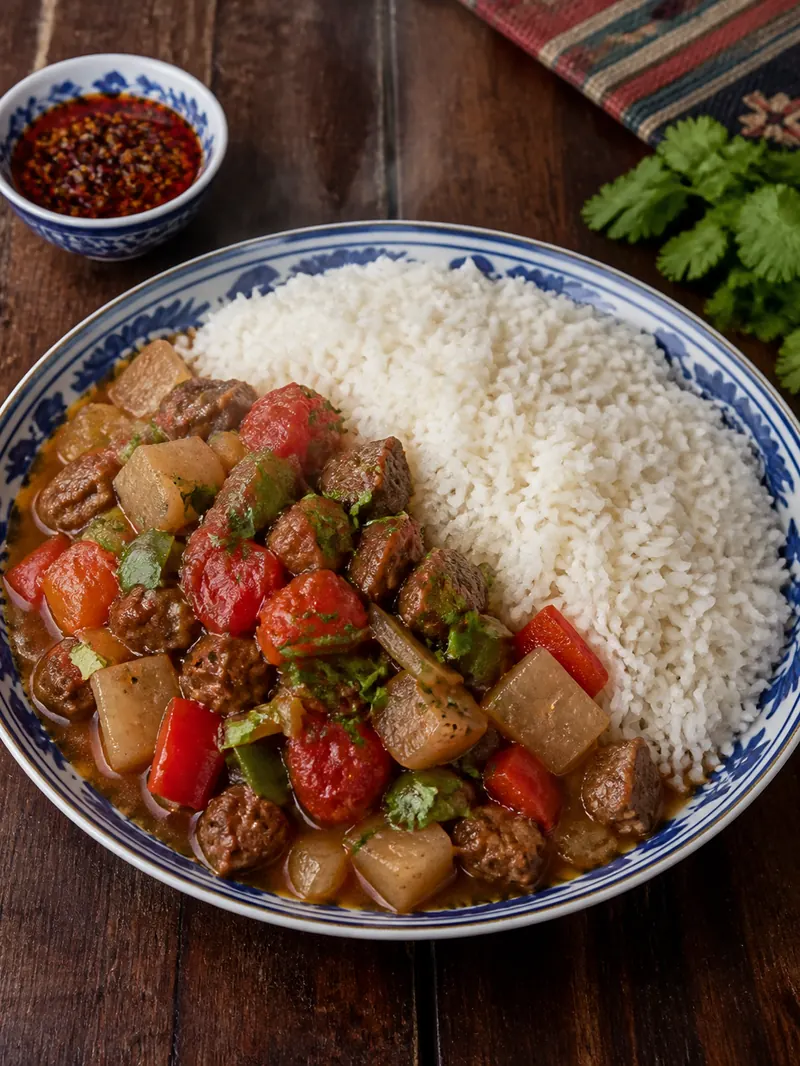
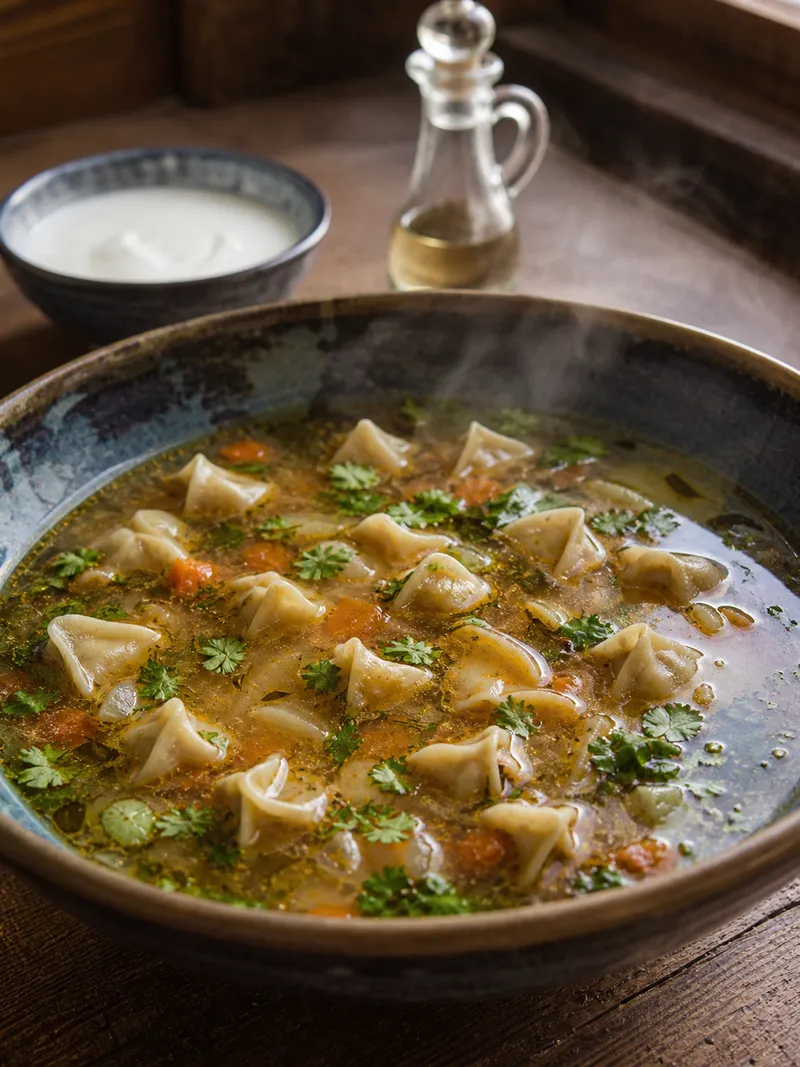
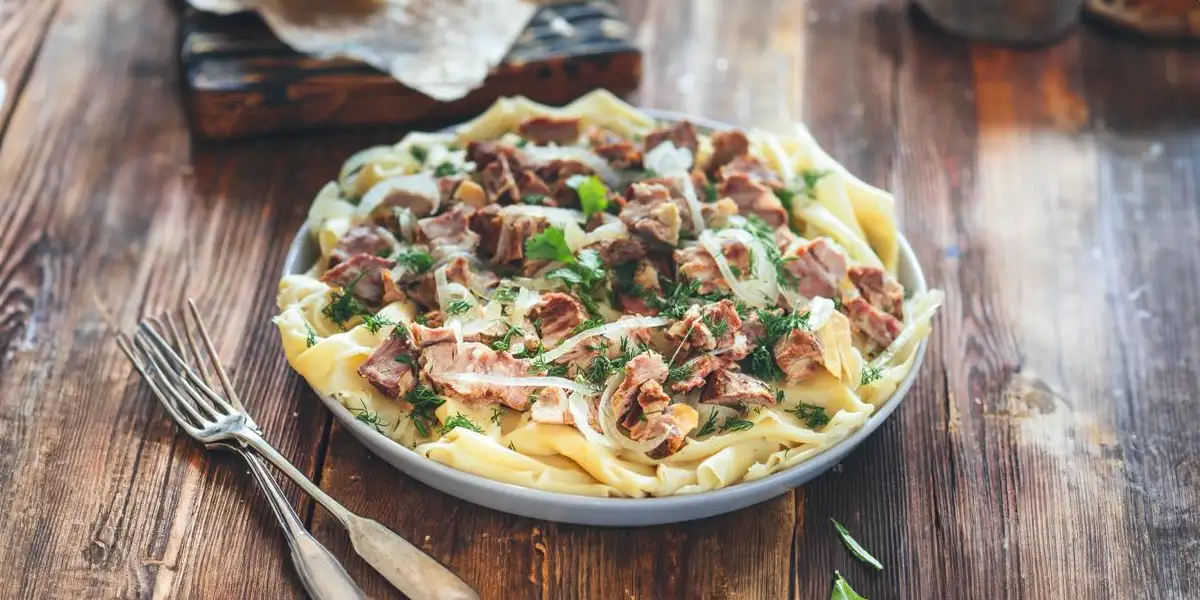
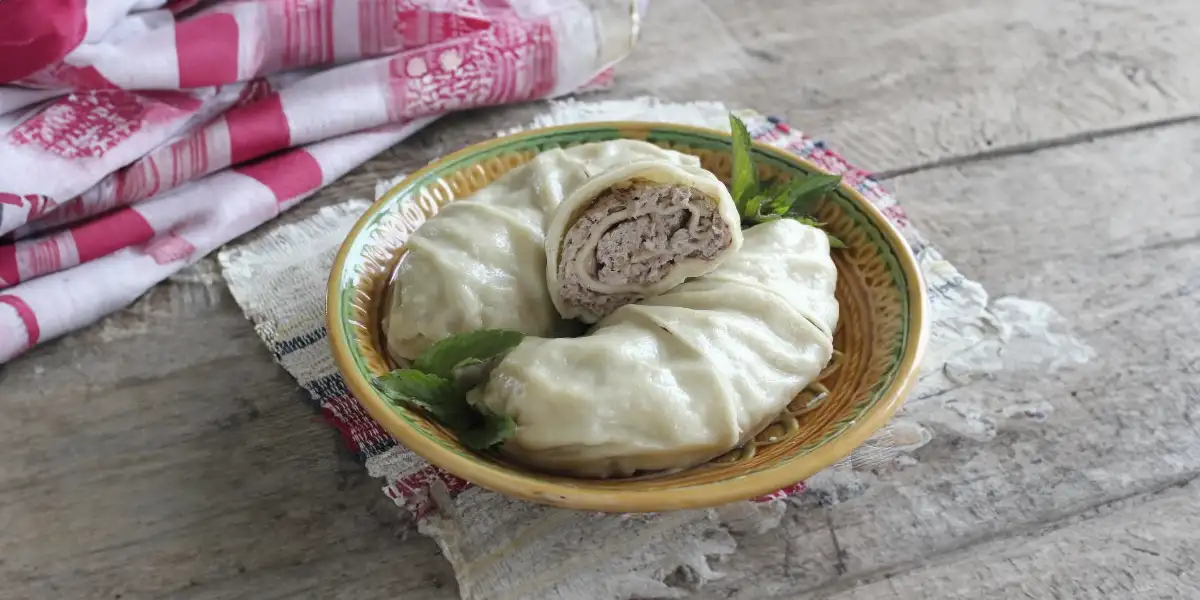
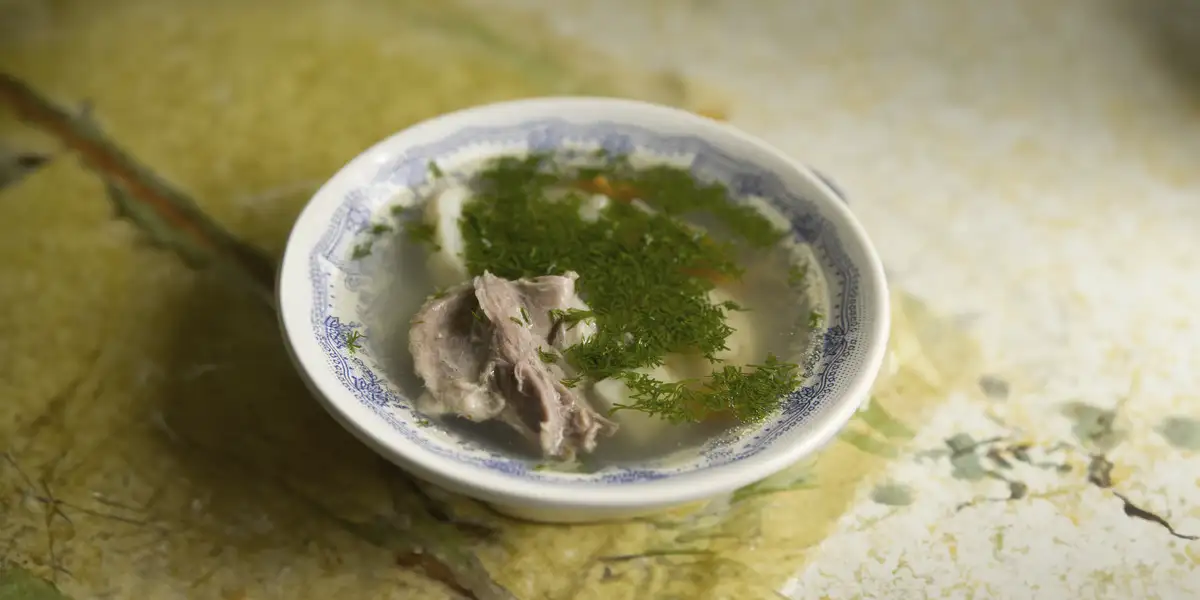
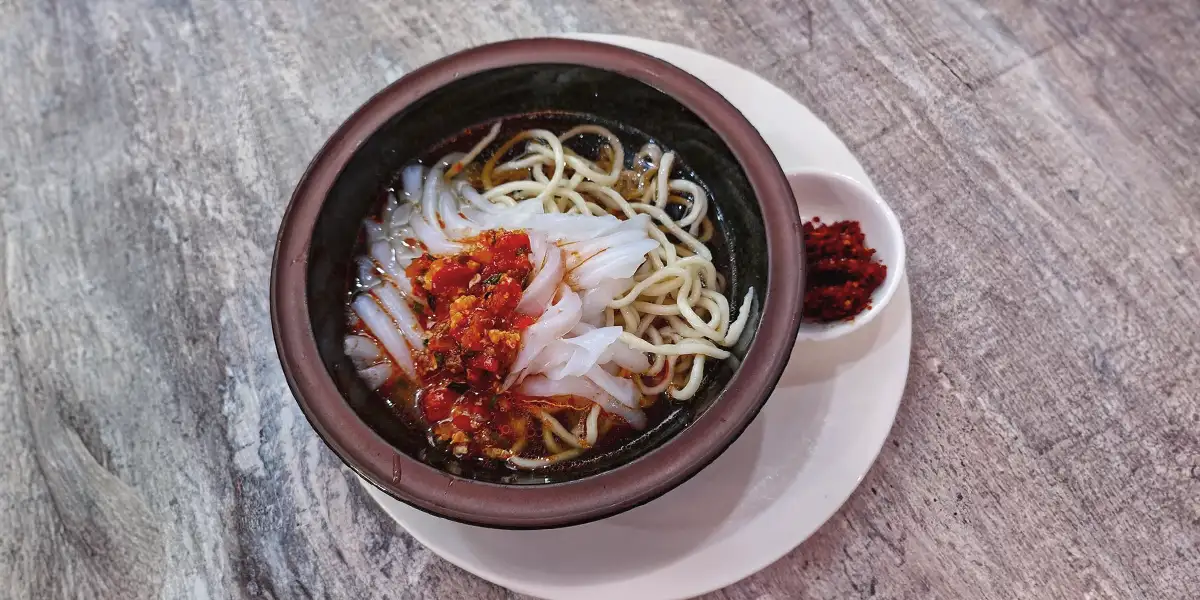
Osh plov Uzgen rice, meat, carrots and a daytime kazan. A southern expression of a wider Central Asian tradition, with advice on choosing a plov house and a documented recipe with cooked yield and nutrition. Samsa in Kyrgyzstan Tandoor heat, meat and onion, eaten from a fresh batch. A guide to tandoor and flaky samsa, common fillings, freshness checks and a measured recipe for 12 oven-baked pastries. Chuchuk Horse meat, fat and a natural casing. How Kyrgyz chuchuk differs from kazy and karta, how it is served and chosen, and how to prepare a measured version at home. Byzhy Lamb, offal, rice and a natural casing. How blood and bloodless versions differ, how byzhy compares with chuchuk and zhorgom, and how to cook a measured Chuy recipe. Dymdama Meat and seasonal vegetables layered in a kazan. Why the dish cooks without added water, how large pieces keep their shape and how to make six portions with lamb at home. Mampar A thick meat soup with hand-torn pieces of dough. How mampar differs from lagman, how the tomato base works and how to cook six large bowls with beef and homemade dough. Ganfan Fluffy rice with a hot meat-and-vegetable gravy. How ganfan differs from lagman and plov, what guiru and suiru mean, and how to cook six plates with beef. Chuchvara Small meat dumplings in stock or vegetable soup. Why chuchvara belong to Uzbek cooking, how they differ from pelmeni, manty and tushpara, and how to fold about 110 at home. Beshbarmak Meat, noodles and onion sauce. Boiled meat is sliced and served with dough or noodles, broth and onion. The meat, cut and serving order vary by region and occasion. Kuurdak A fry-up of meat or offal. Meat is fried with onion, with potatoes added in a common modern version. Ask before ordering if the kuurdak uses liver or other offal. Lagman Hand-pulled noodles with meat and vegetables. Uyghur and Dungan versions of lagman are part of everyday cooking in Kyrgyzstan. The sauce ranges from brothy to thick, and chilli is often served separately. Manty Large steamed dumplings. The classic meat filling contains plenty of onion and fat. Pumpkin, potato and mixed fillings appear in season. Oromo A steamed rolled pastry. Thin dough is rolled around meat, onion, potato or pumpkin. The cooked roll is cut into broad pieces and served hot. Shorpo Clear meat broth with vegetables. Shorpo is made with lamb or beef and large pieces of vegetables. Broth and meat may arrive together or as two courses. Ashlyam-fu Cold noodles with starch jelly and chilli sauce. Karakol ashlyam-fu is served cold. Soft noodles and springy jelly contrast with vinegar and the hot lazjan sauce. Bread and sweets
Flatbread belongs beside soup, meat and tea. At a market, choose a stall with quick turnover and buy only what you will eat fresh: the crisp crust and soft crumb change noticeably as the bread cools.
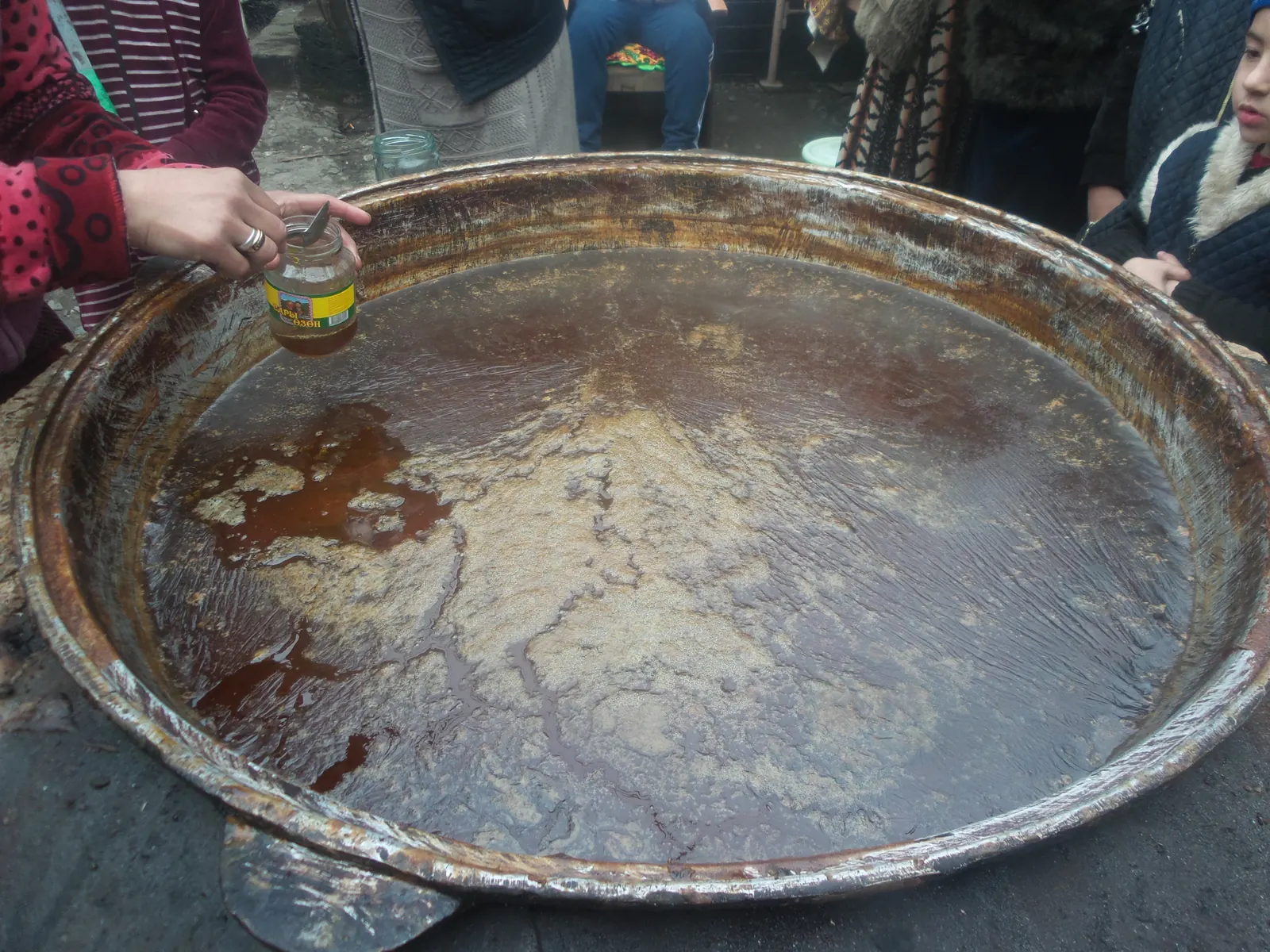
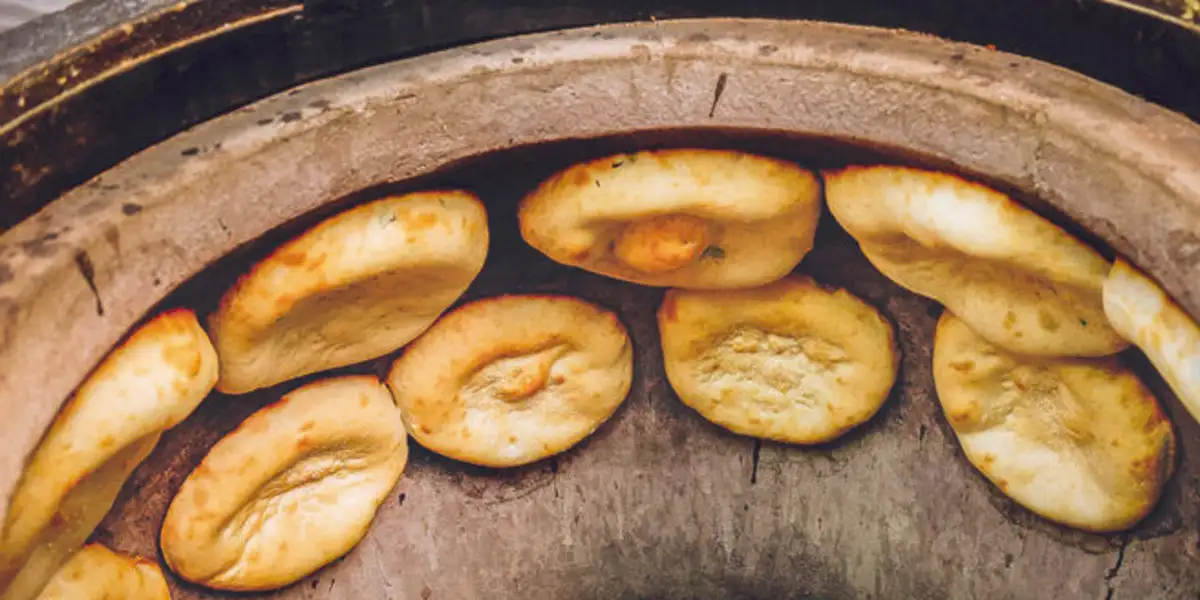
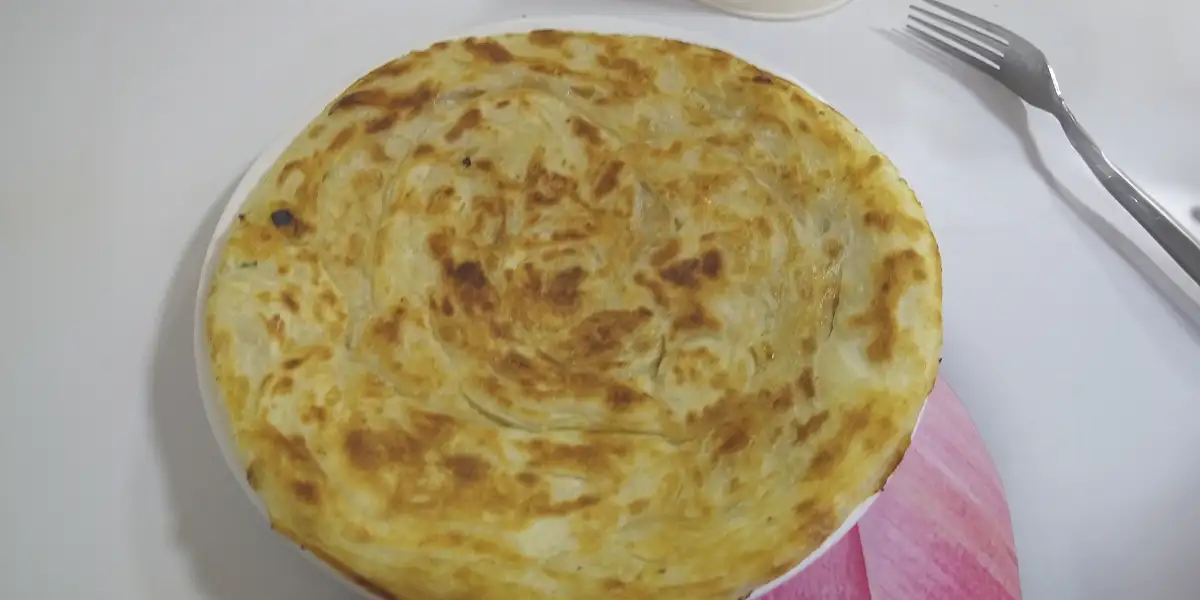
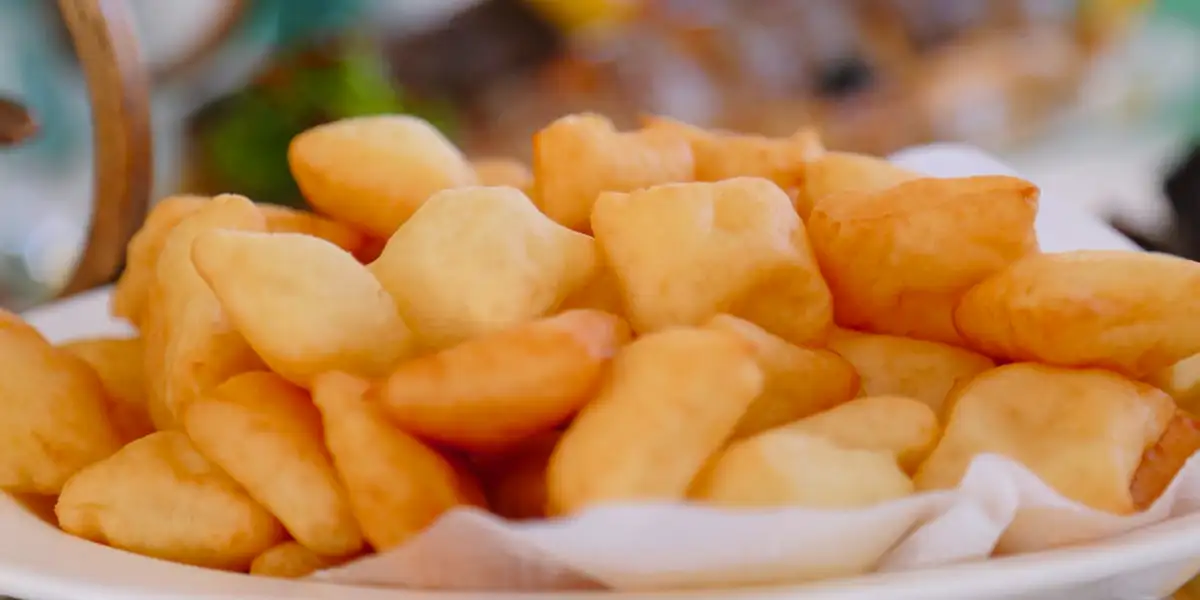
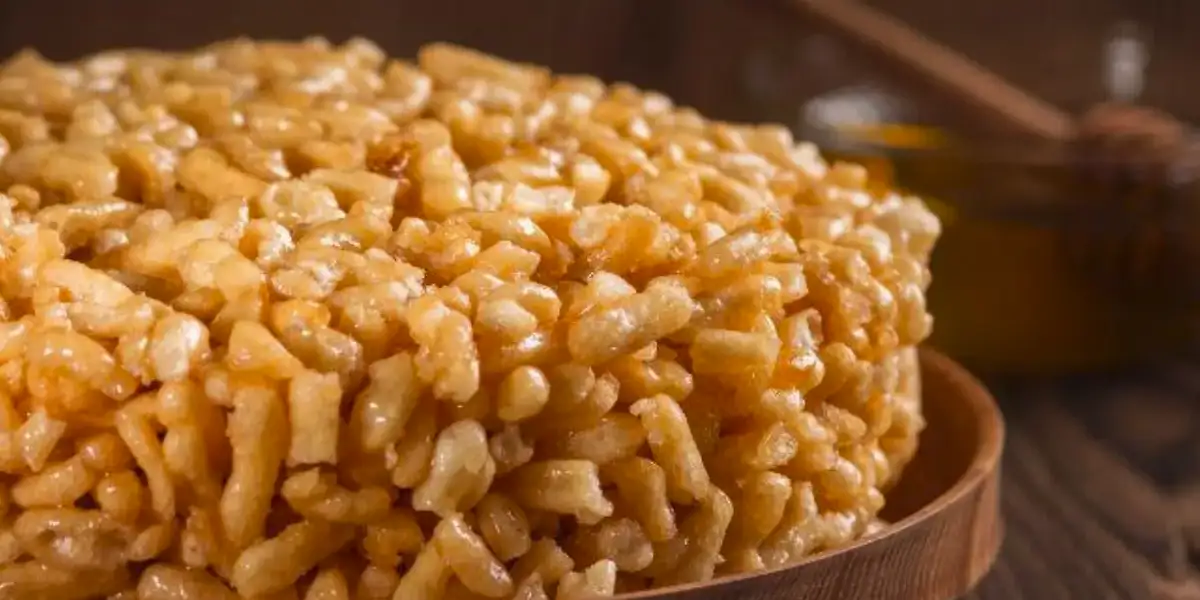
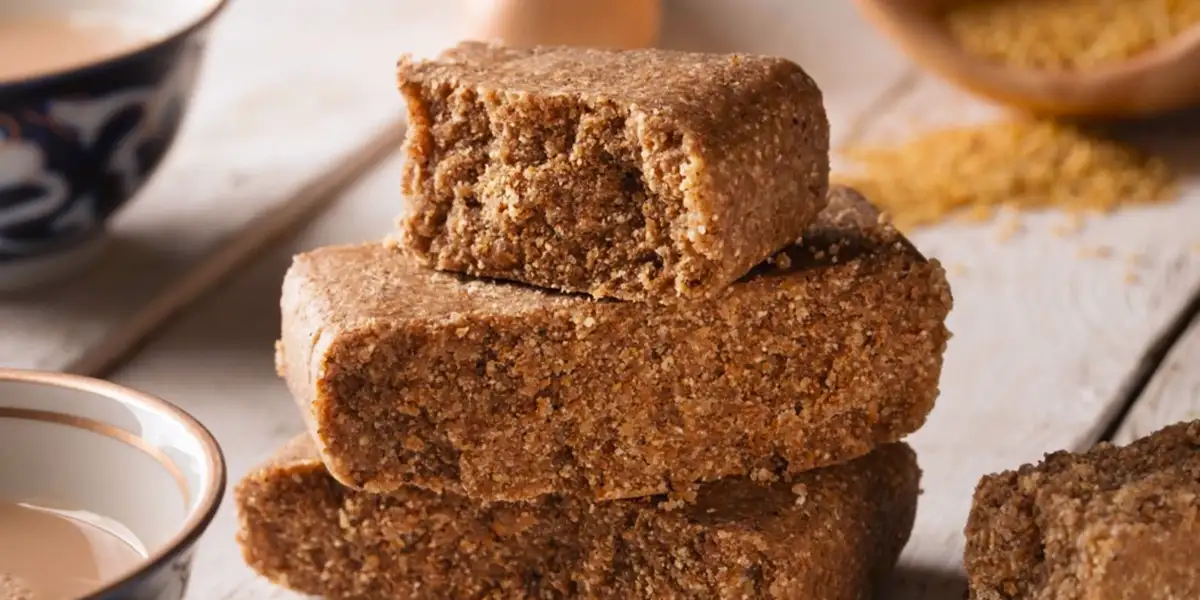
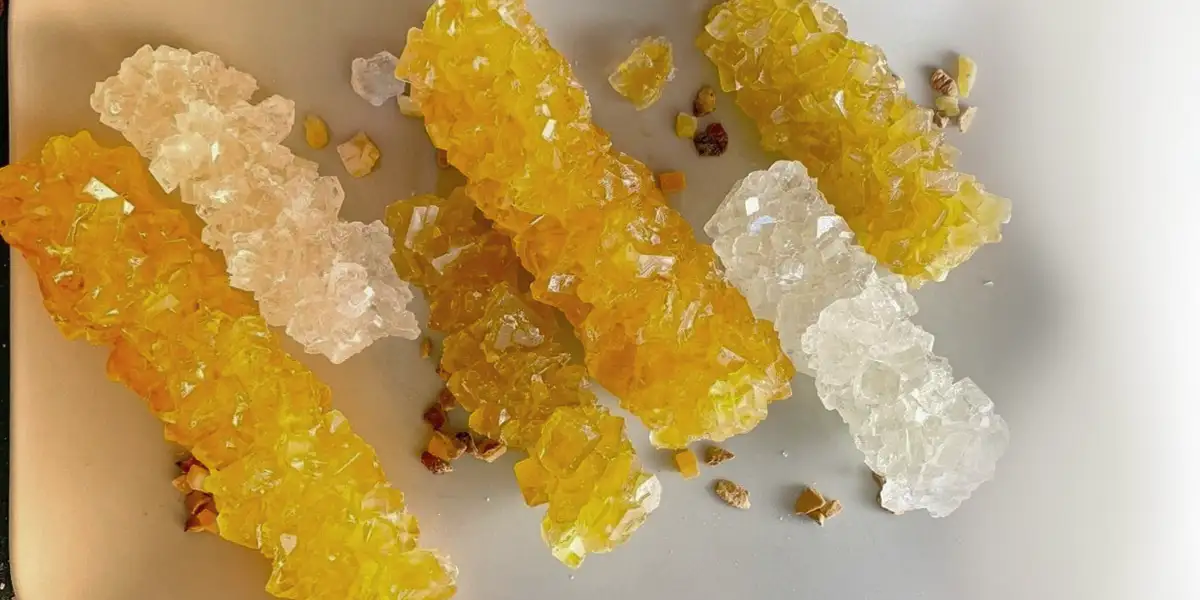
Sümölök for Nooruz Sprouted wheat, a communal cauldron and hours of cooking. Why the dish is made together, how grain becomes a thick sweet paste, where to find a fresh batch and how to prepare a smaller home version. Tandoor bread Round flatbread baked against a tandoor wall. The centre is kept thin and pricked while the rim stays high. The dough sticks to the hot oven wall until browned. Tokoch Round bread for home and ceremonial occasions. The name covers several flatbreads. Ingredients, baking method and pattern depend on the family and the bread’s purpose. Kattama Layered flatbread with fat. The dough is greased, folded or rolled and fried. Kattama may be plain or filled with onion and herbs. Boorsok Small pieces of dough fried in oil. Boorsok varies in shape and sweetness. It is served with tea, at celebrations, or with sour cream, kaymak or honey. Chak-chak Fried dough in honey syrup. Small pieces of dough are bound with hot syrup and shaped. The dessert belongs to the cuisines of several Turkic peoples, not Kyrgyzstan alone. Zhent A sweet made with talkan and butter. Roasted ground grain is mixed with sugar and butter or clarified butter. Nuts, raisins and shape depend on the recipe. Nabat Large sugar crystals. Nabat is grown from saturated syrup on threads or sticks. It can be sucked slowly or dissolved in hot tea. Dairy foods and grain drinks
Dairy foods and fermented drinks need refrigeration and a clear source. For drinks on tap, look for a clean tap, a chilled container and quick turnover. On a package, check the date, ingredients, alcohol content and storage period after opening.
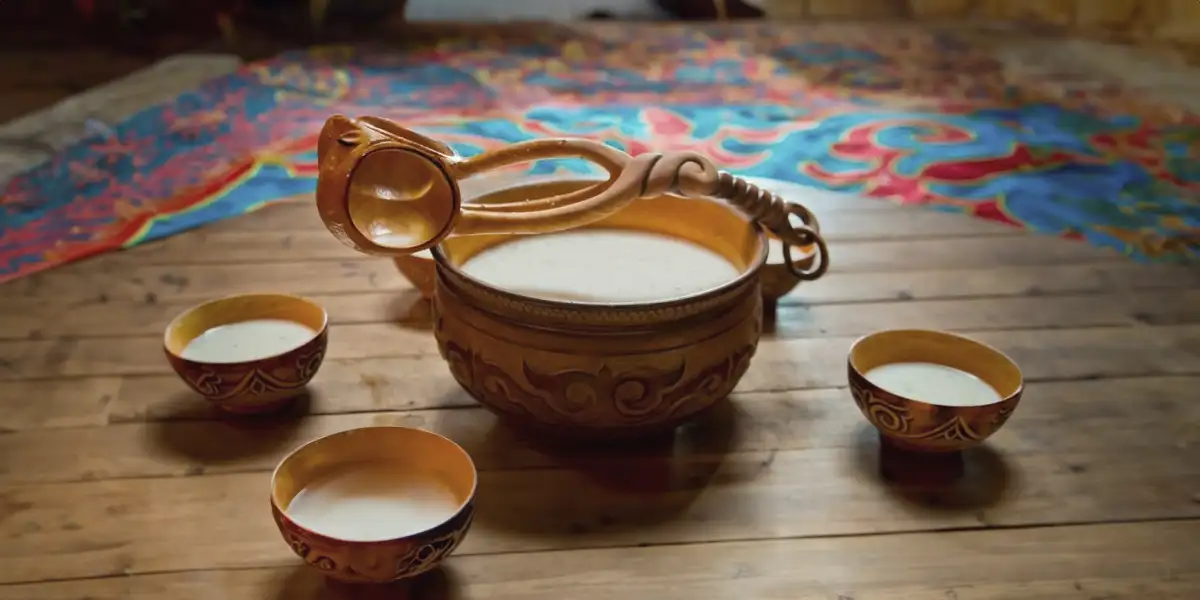
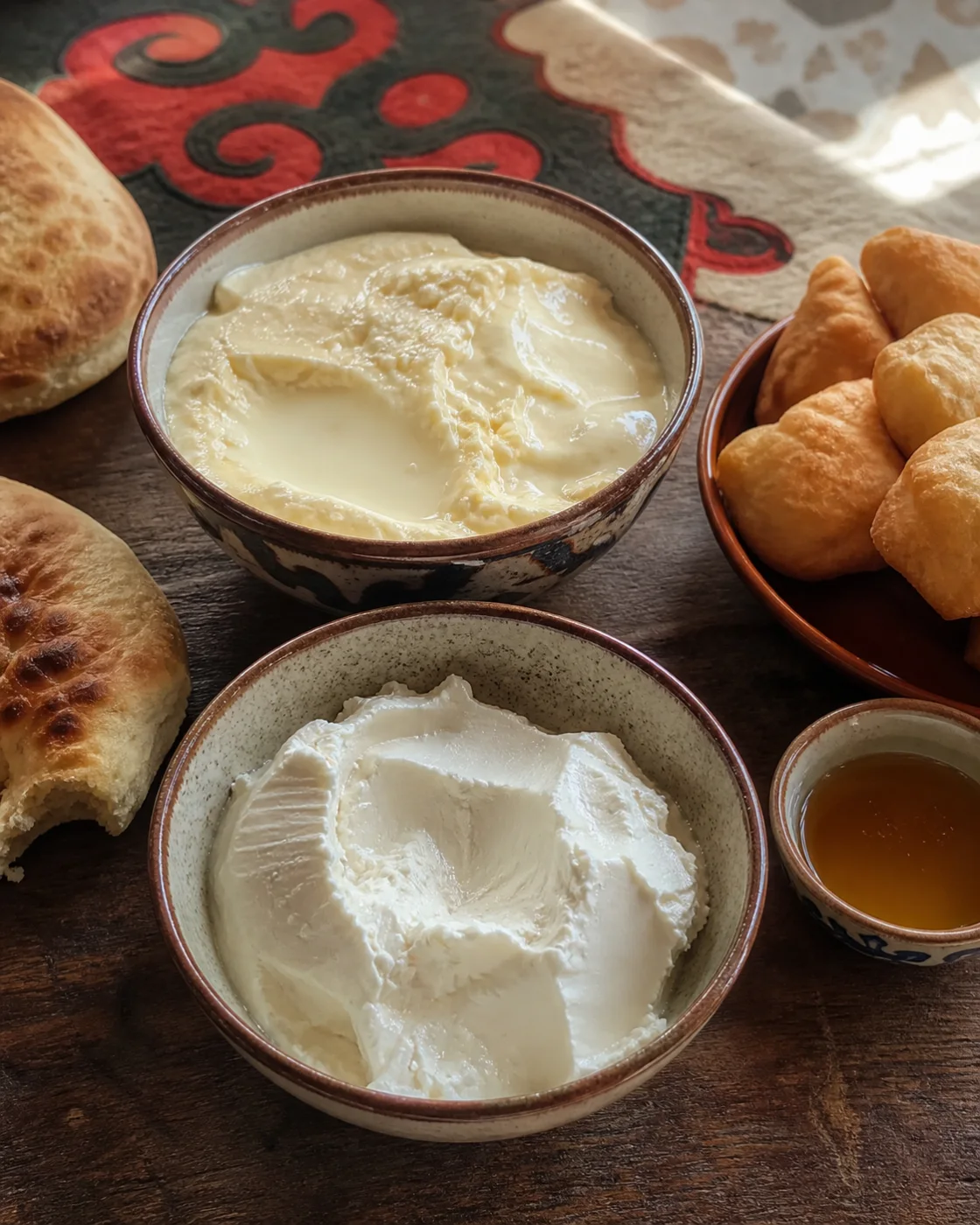
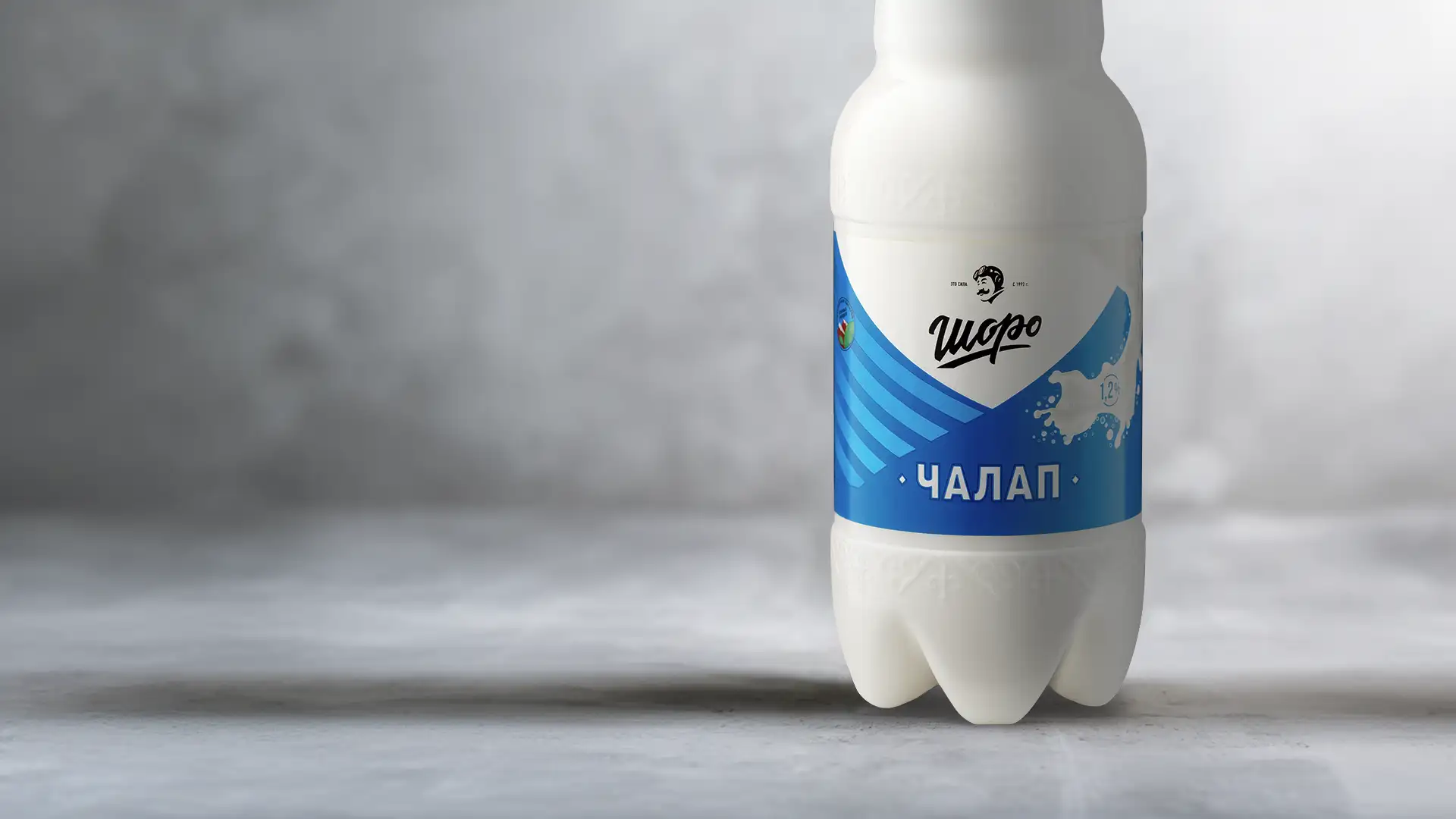
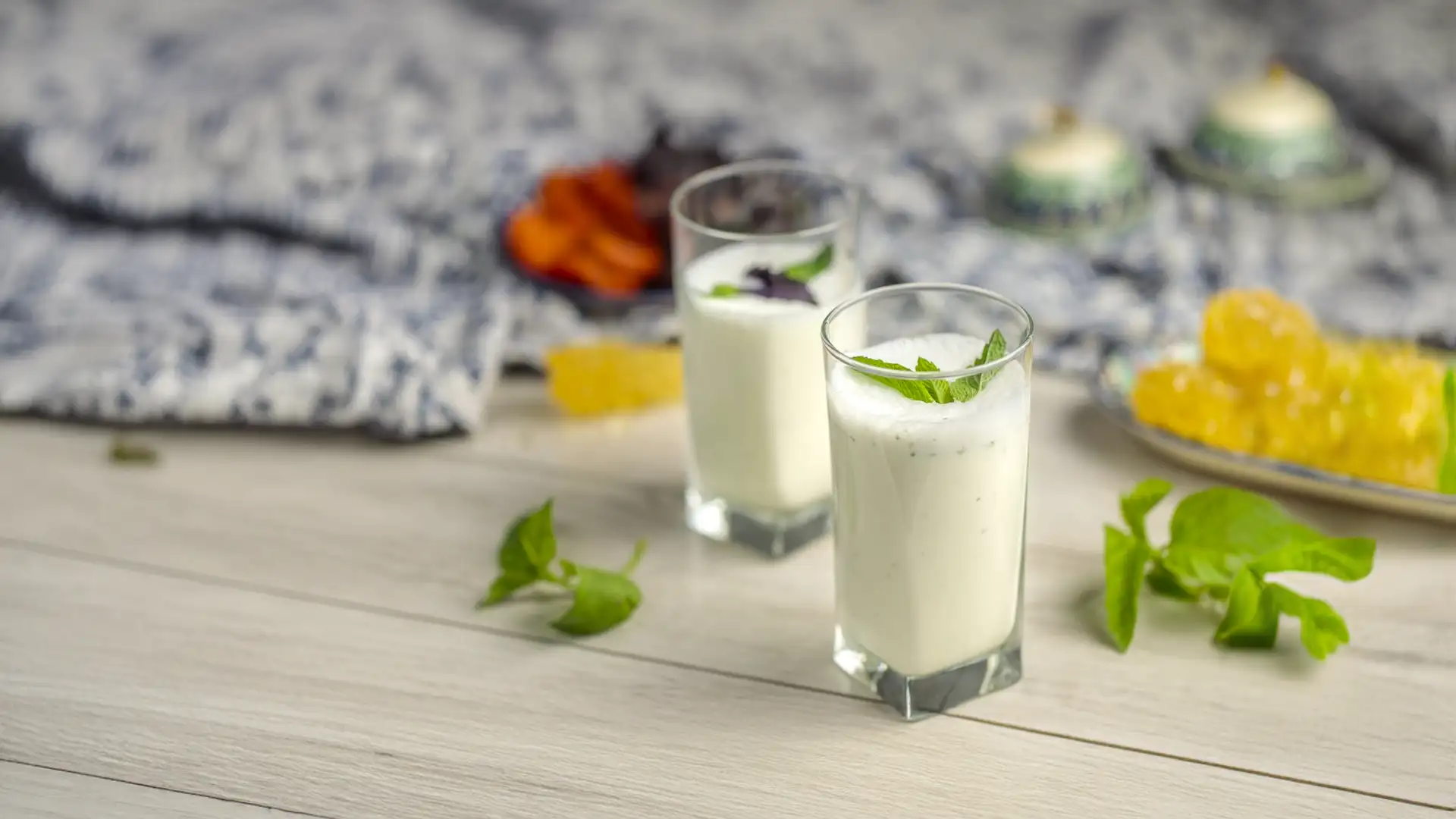
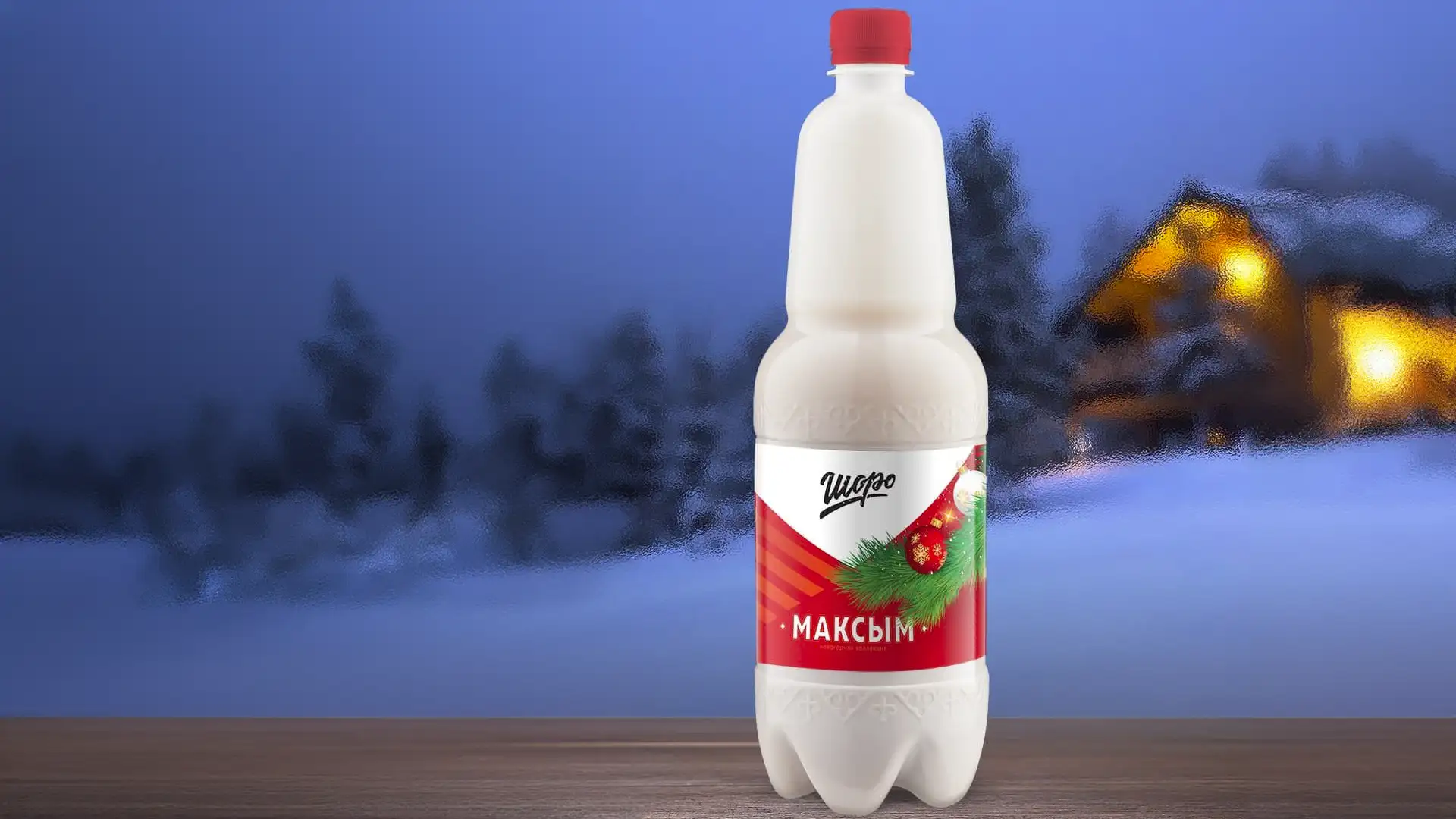
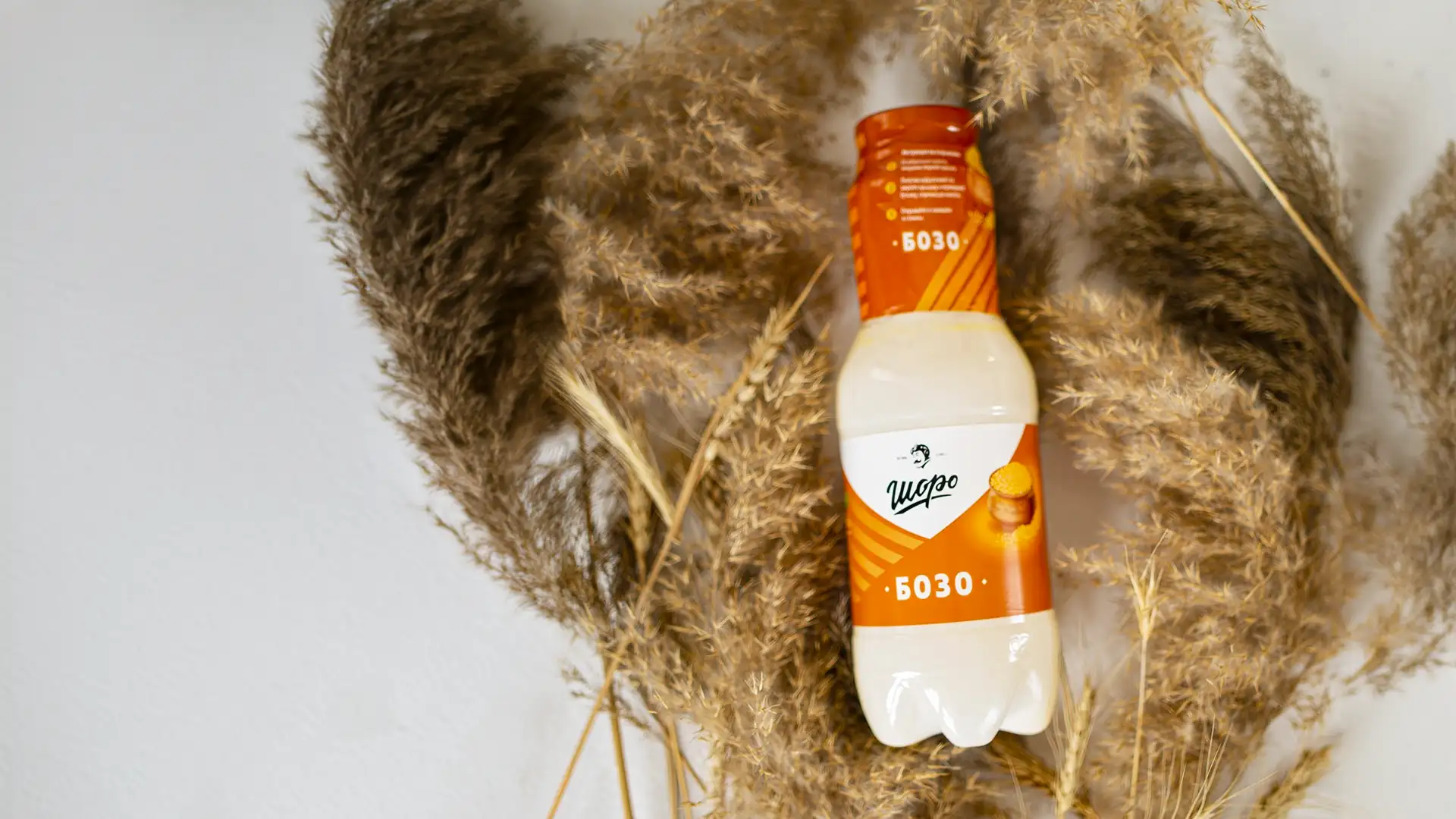
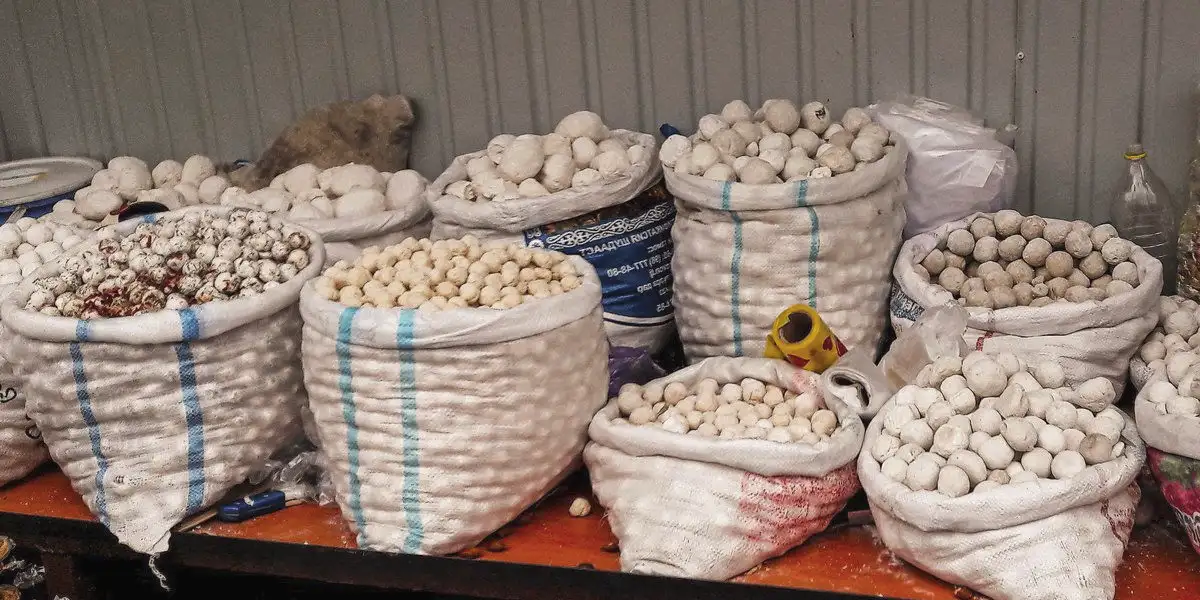
Kymyz Fermented mare’s milk. Lactic bacteria and yeast create acidity, carbonation and alcohol. Strength depends on fermentation time and conditions. Kaymak and süzmö Rich cream and dense, drained cultured milk. How the two products differ, how to choose and serve them in Kyrgyzstan, and two careful home recipes. Chalap Suzma or ayran diluted with water and salt. Homemade chalap is usually still, while commercial versions are often carbonated. Fat and salt depend on the dairy base. Tan A diluted, salted fermented milk drink. In Kyrgyzstan, tan is close to chalap. The name alone does not define the culture, thickness or carbonation, so compare the ingredients. Maksym A fermented grain drink. Barley, wheat or maize is cooked, cooled and fermented. The drink remains cloudy, tart and lightly carbonated. Bozo A thick drink made from grain and malt. Malt converts part of the starch to sugars, which then ferment. Bozo can contain a noticeable amount of alcohol. Kurut Salted, dried suzma. Hard fermented-milk balls are eaten as a snack or softened in water. For a first taste, choose a small kurut of medium hardness. Our separate tea guide explains ordinary and milk tea in Kyrgyzstan, what atkan chai is and why the old name “aktyn chai” needs clarification.
How to order food
Ask about the portion size first. Beshbarmak, kuurdak and lagman can be substantial meals, and a celebration dish may be intended for several people. Sharing one hot dish lets a group taste more and leave less food.
If you have dietary restrictions, list the ingredients themselves. “Vegetable” does not rule out meat broth, tail fat or butter. Vegetarians should ask separately about meat, broth and animal fat; people with allergies should check milk, wheat, eggs, nuts and cross-contact in the kitchen.
Do not assume a fermented drink is alcohol-free without a label. Kymyz and bozo can contain alcohol, and the exact strength varies. Children, pregnant people and drivers may prefer chalap, tan or ordinary tea after checking the ingredients.
Frequently asked questions about Kyrgyz cuisine
What should I try first in Kyrgyzstan?
Choose one main dish for a first taste: beshbarmak, kuurdak, manty or lagman. Add fresh flatbread and a small local drink. Try ashlyam-fu separately so you can appreciate its cold noodles, starch jelly and chilli sauce.
Are there meat-free dishes?
Yes, but ask about the ingredients. Manty and oromo may contain pumpkin or potato, and bread, kattama and dairy foods can be meat-free. A vegetable filling does not guarantee the absence of meat broth or animal fat.
Which drinks contain alcohol?
Kymyz undergoes both lactic and alcoholic fermentation, while bozo ferments after grain is treated with malt. Strength varies with recipe and time, so read the label and do not rely on the word homemade.
How does chalap differ from tan?
Both are based on fermented dairy, water and salt. Kyrgyz descriptions more often connect chalap with suzma or ayran, but shop names overlap. Compare the ingredients and carbonation.
How can I buy drinks on tap safely?
Choose a seller with continuous refrigeration, a clean tap and disposable cups. Ask who made it and when. Avoid a drink if it has stood in the sun, the container is warm or the smell seems wrong.
Is Kyrgyz food always spicy?
No. Basic meat and dough dishes are often mildly seasoned. Chilli sauce may be served separately, especially with lagman and ashlyam-fu, so you can control the heat.
If you found this guide useful, share it on social media. It takes a moment and helps more travellers discover the project. Thank you!
Anything to add?
Share your experience, leave a comment or suggest an improvement.