Lakes of Kyrgyzstan

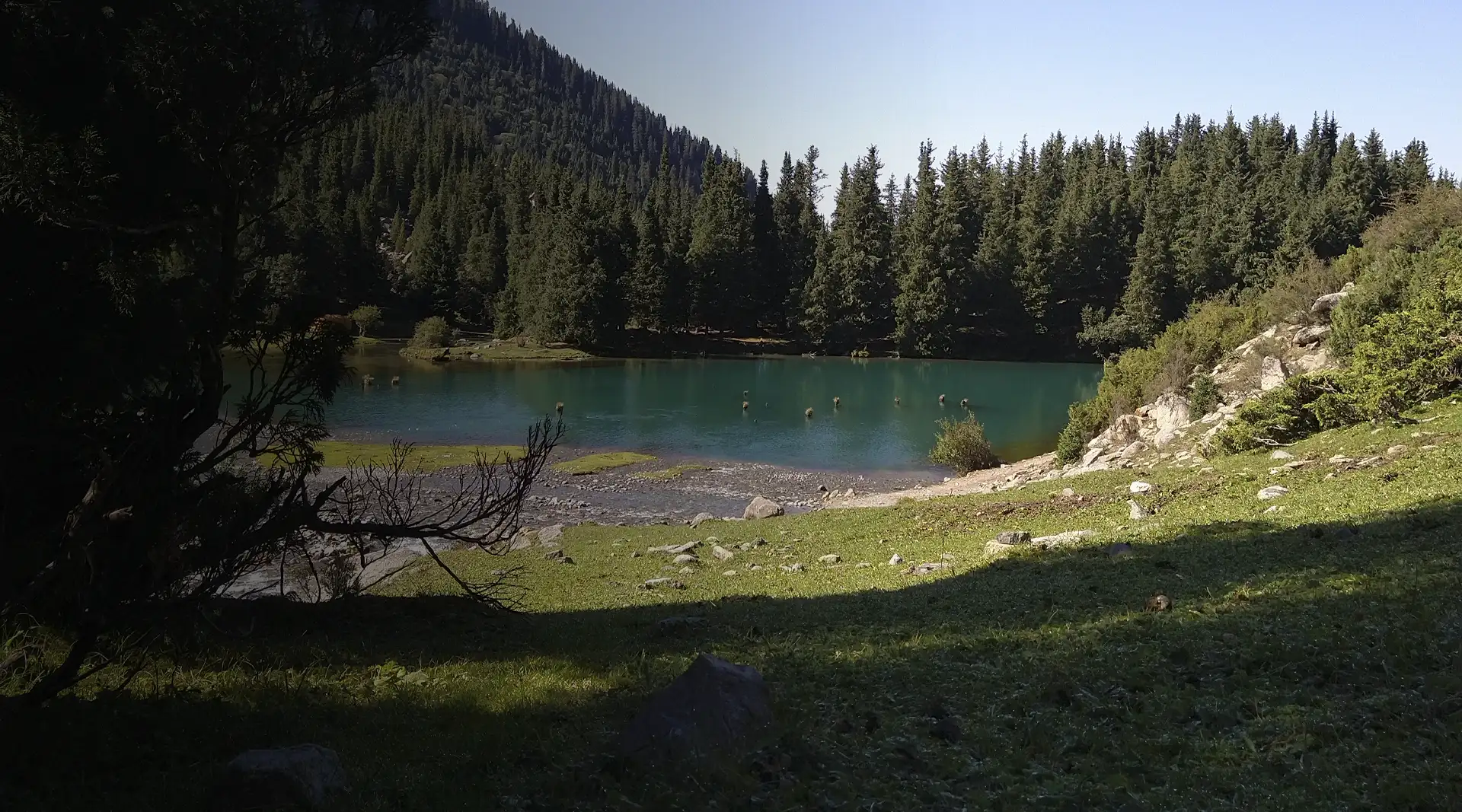
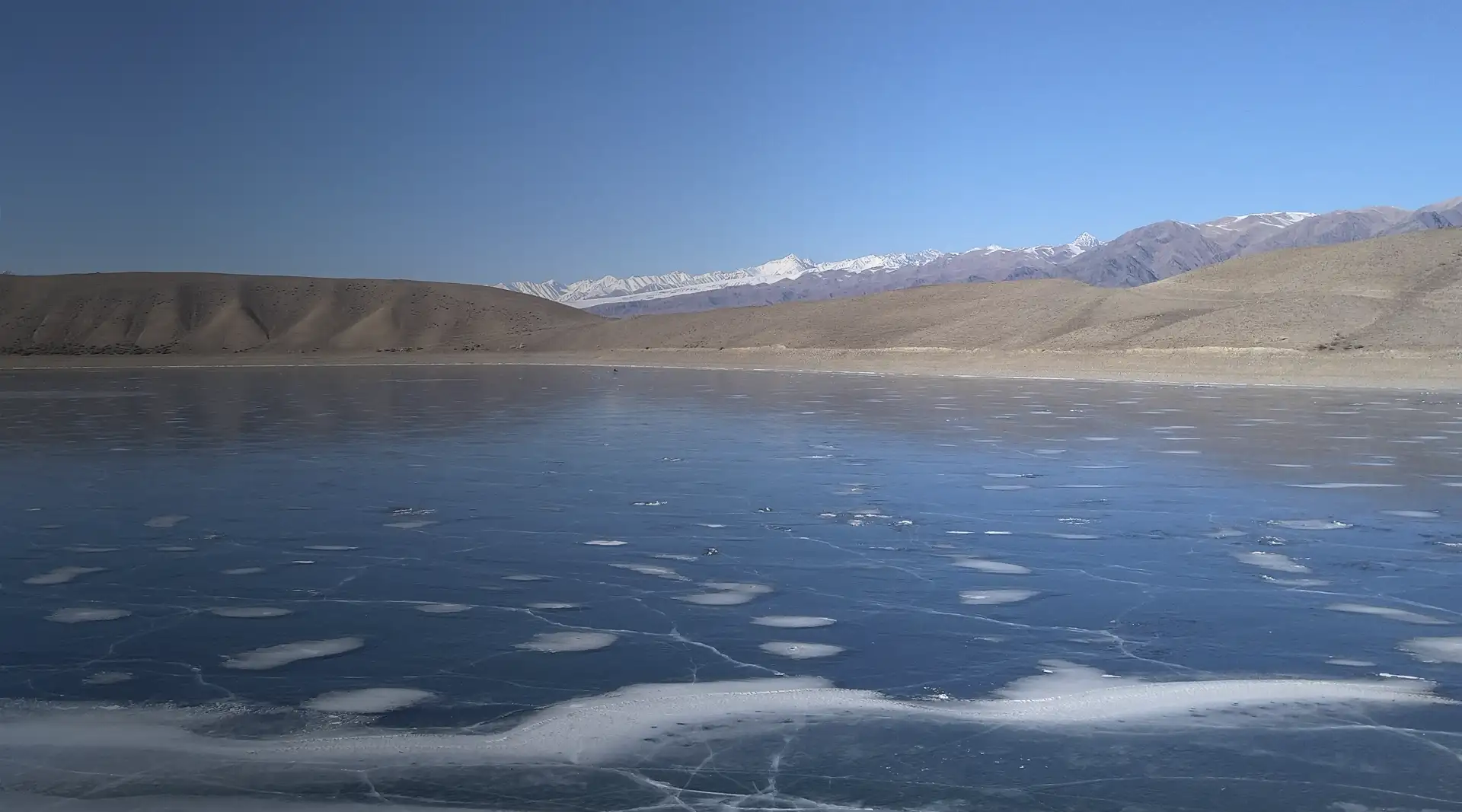
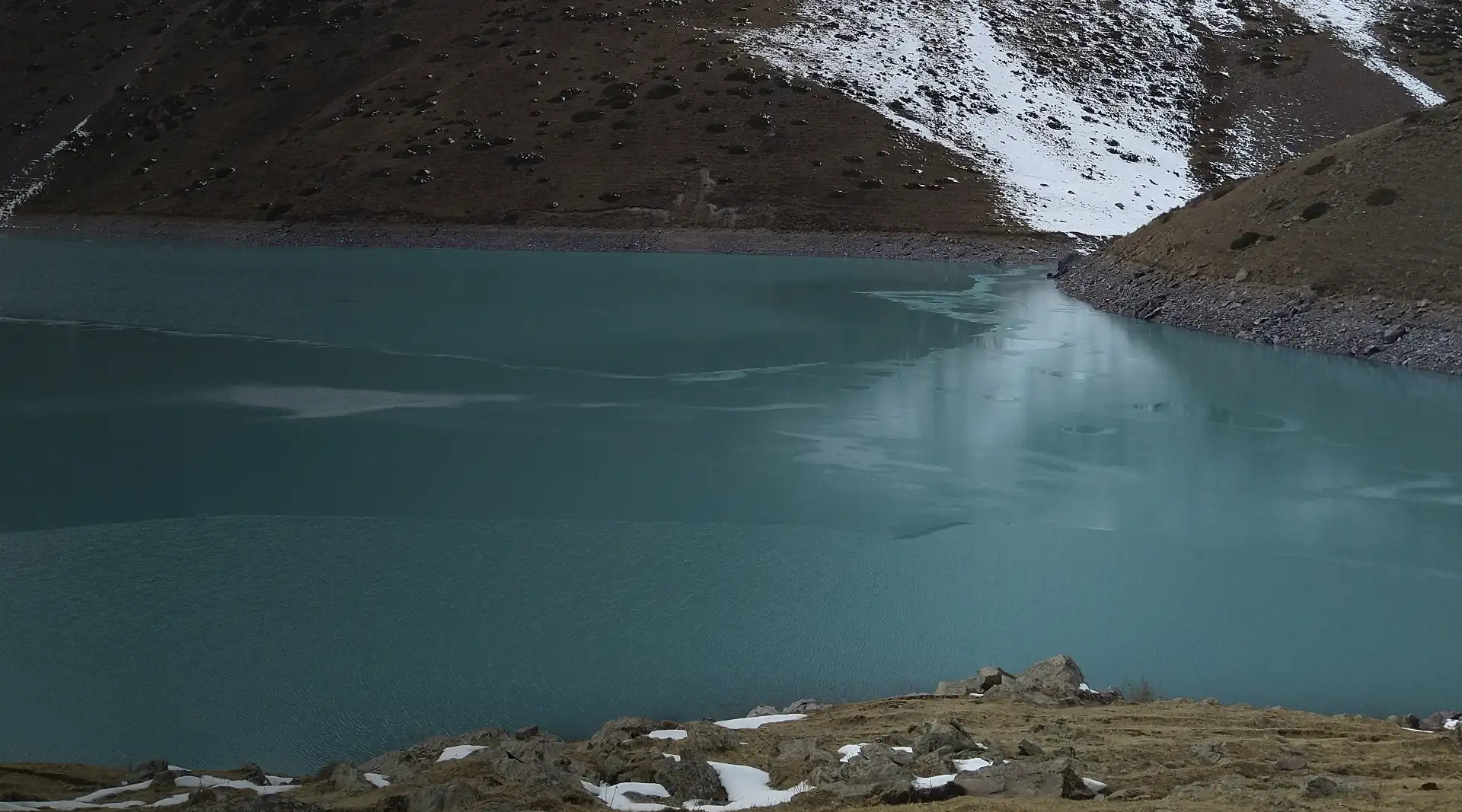
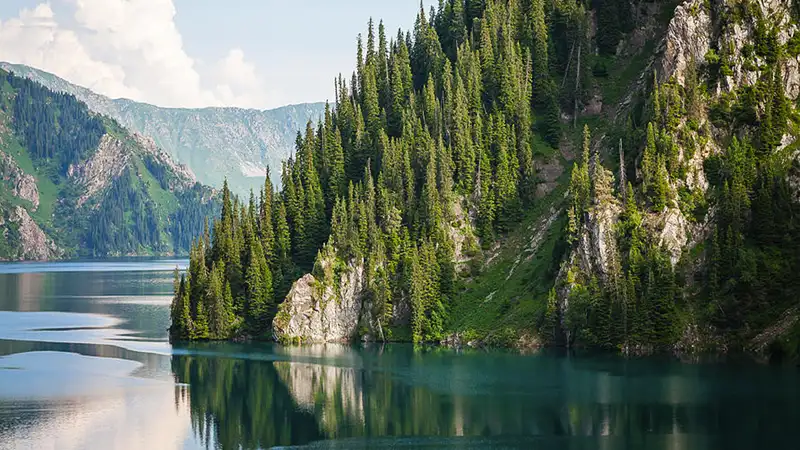
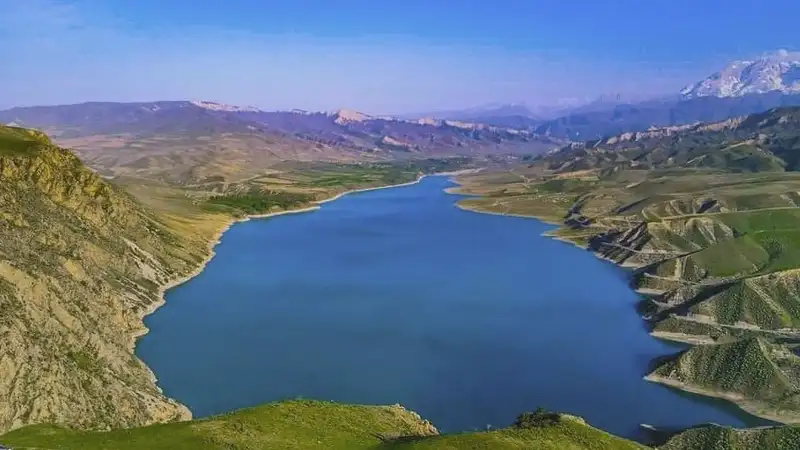
🇰🇬 Kyrgyzstan’s lakes demand very different journeys: Issyk-Kul has paved roads, Son-Kul lies beyond seasonal passes and Ala-Kul is reached only on foot. Choose by road, altitude and protection rules, not by one photograph.

Choose Issyk-Kul for a beach holiday, Son-Kul for summer pastures and a yurt stay, Sary-Chelek for a forest reserve and Ala-Kul for a demanding mountain hike. Kel-Suu and Chatyr-Kul lie near the border, so permit arrangements add to the condition of the road.
Issyk-Kul
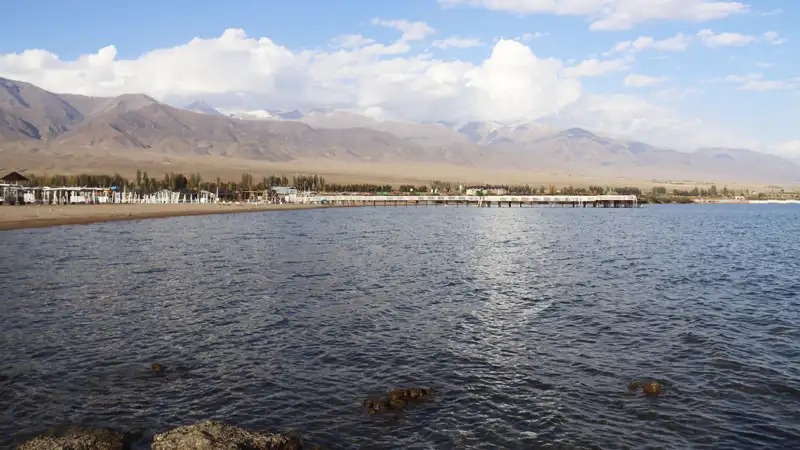
Issyk-Kul The country’s largest lake. The north shore has more beaches and resort facilities, while the south is easier to combine with canyons and gorges. You do not need an off-road vehicle, but choose accommodation for the part of the shore you intend to explore.
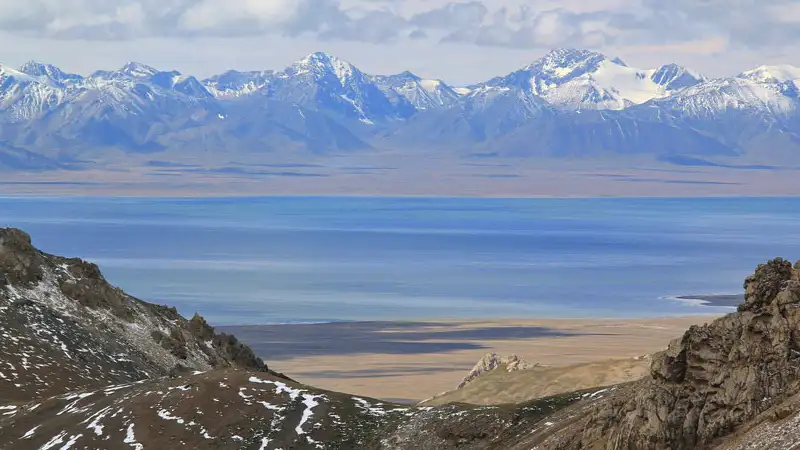
Lake Son-Kul
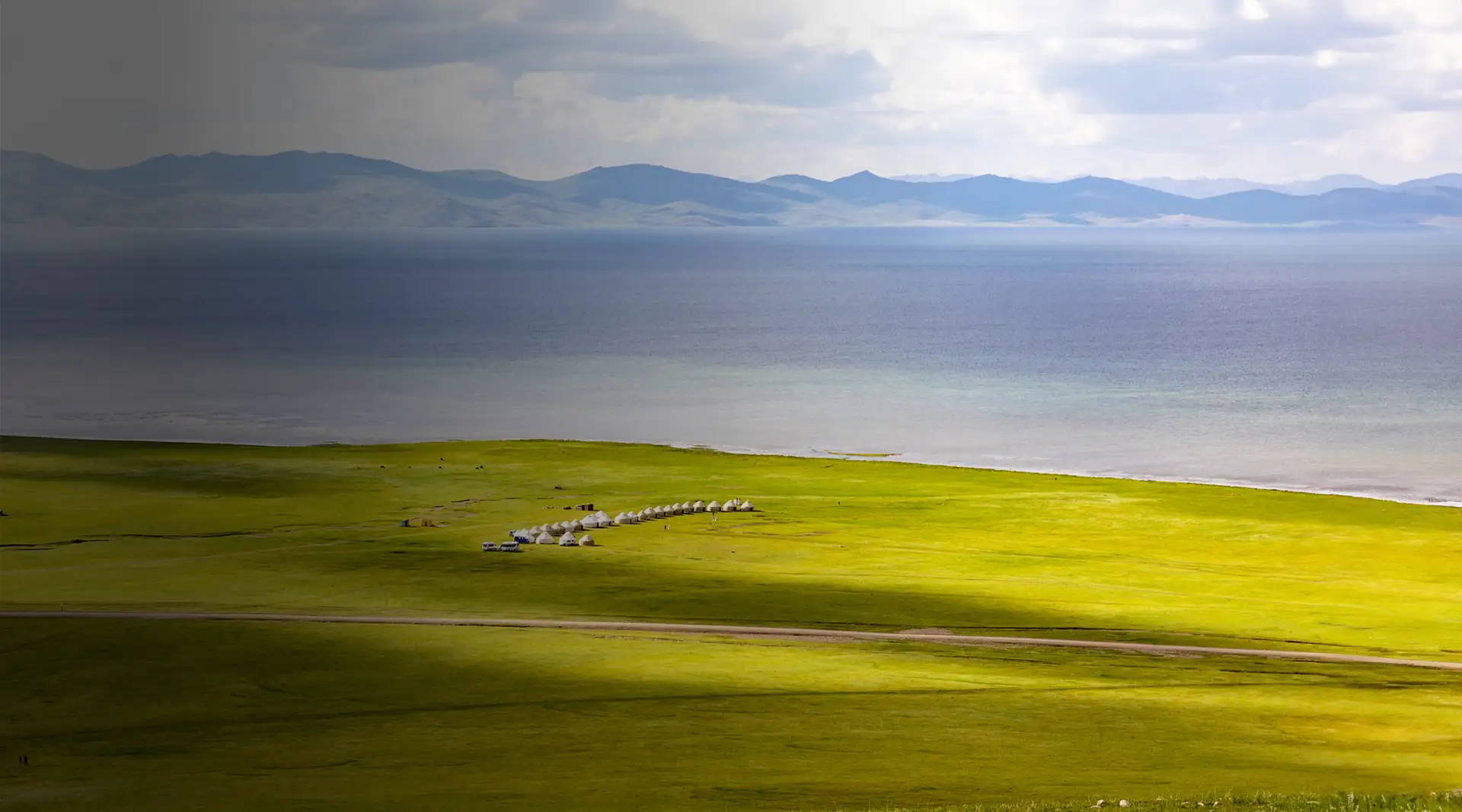
Lake Son-Kul A high-altitude lake and summer jailoo. The lake lies above 3,000 metres. Yurt camps and mountain-pass roads operate in the warm season, and nights remain cold even in summer. Confirm the condition of your chosen approach before departure.
Toktogul Reservoir
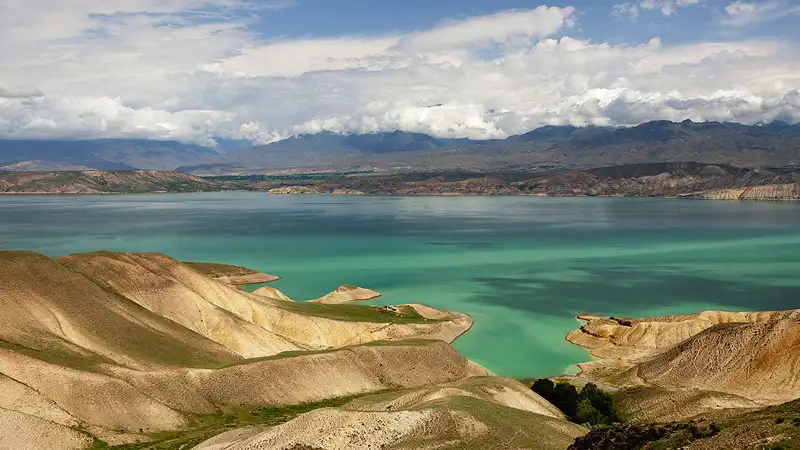
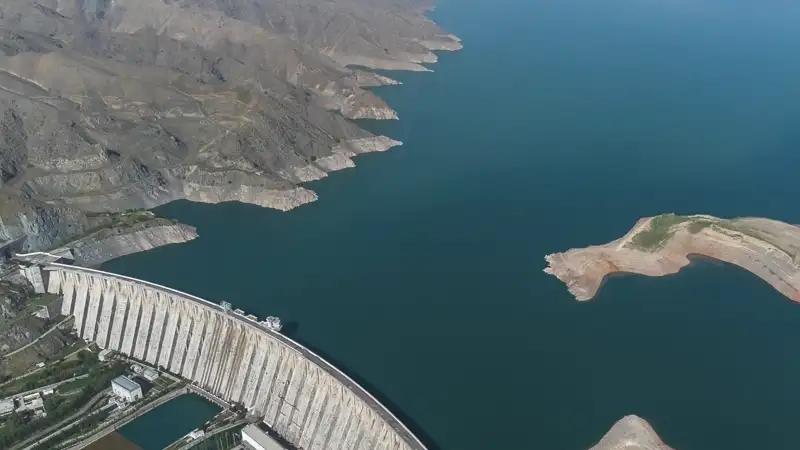
Toktogul Reservoir Kyrgyzstan’s largest reservoir. This large artificial lake lies beside the Bishkek-Osh road. Its level changes with hydropower operations, so a familiar shore or access track may look different from one season to another.
Kel-Suu
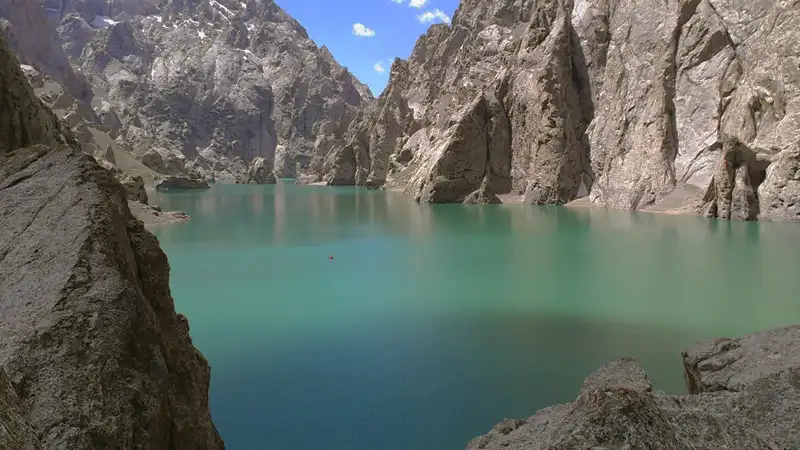
Kel-Suu A seasonal journey into the border zone. The lake lies in the Kok-Kiya valley near China. You need a border permit, an approved access plan and spare time because the final approach, water level and road conditions all vary.
Merzbacher Lake
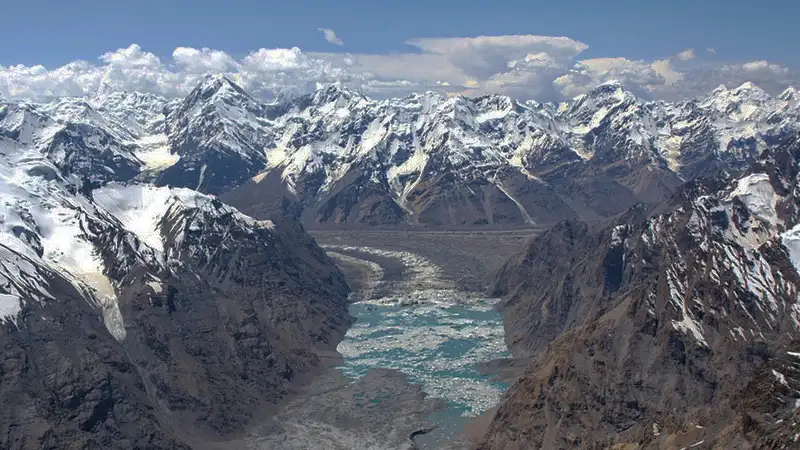
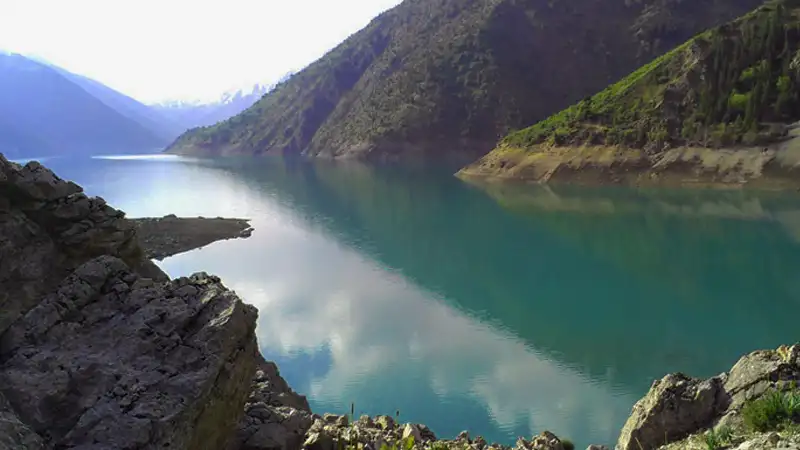
Merzbacher Lake A glacial lake for expedition travel. The lake forms beside the South Inylchek Glacier and drains periodically. It is not an ordinary day excursion: the area requires a long trek, border documents and expedition preparation.
Ala-Kul
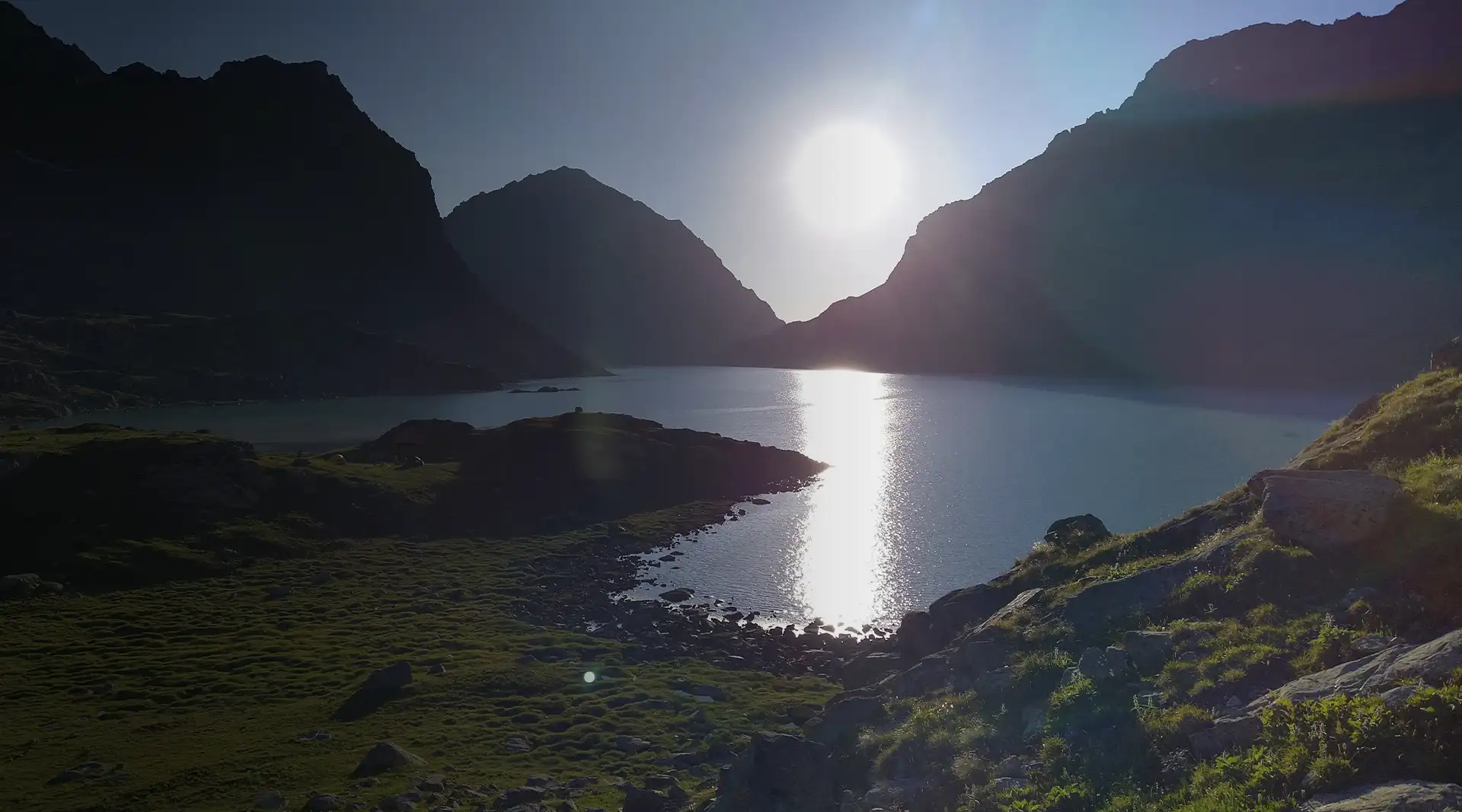
Ala-Kul A high mountain lake above Karakol. There is no road to the lake at about 3,530 metres. It is normally visited on a multi-day route through Karakol Gorge, Ala-Kul Pass and the Altyn-Arashan valley.
Suttuu-Bulak
Suttuu-Bulak A forest lake above Semenov Gorge. A seasonal dirt road leads to the walking section, followed by roughly 5 kilometres on foot and about 500 metres of ascent. Confirm the road and trail locally after rain or early in the season.
Ara-Kel
Ara-Kel A saline lake in the Kochkor Valley. The small lake lies beside Ara-Kel village at about 1,990 metres. Add it as a rural detour from Kochkor in dry weather rather than planning a high-altitude trek.
Kel-Tor
Kel-Tor A walking route to a mountain lake. Several places in Kyrgyzstan share the name Kel-Tor, so check the coordinates first. Even a short route needs suitable shoes, enough time to descend and preparation for sudden weather changes.
Sary-Chelek
Sary-Chelek A lake in a biosphere reserve. A road leads through the village of Arkyt, but restrictions are stricter than in a national park. Swimming, fishing and informal camps by the water are prohibited; ask about open routes at the entrance.
Chatyr-Kul
Chatyr-Kul A high-altitude lake near Torugart. The lake is part of the Karatal-Japyryk reserve and a Ramsar site. It lies close to the state border, so arrange the trip in advance and remain on the authorised route.
Kara-Suu
Kara-Suu A landslide lake in a forested valley. The lake lies deep inside Alatay Nature Park. The long, difficult approach needs a prepared high-clearance vehicle, a local driver and current advice from park staff.
Andijan Reservoir
Andijan Reservoir A transboundary water-management site. The Andijan, or Kempir-Abad, Reservoir regulates the Kara-Darya for irrigation and power generation. Check the current rules for shore access before visiting.
Orto-Tokoy Reservoir
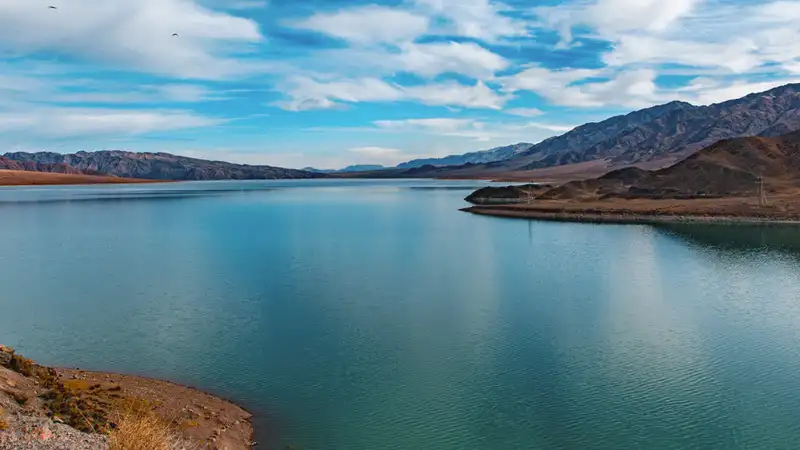
Orto-Tokoy Reservoir A reservoir between Balykchy and Kochkor. It lies beside the main road, but the dam and service tracks remain working infrastructure. Stop only at a safe public viewpoint and expect a seasonally changing shoreline.
Papan Reservoir
Papan Reservoir A water source for the Osh region. Papan Reservoir on the Ak-Buura has an economic role and sanitary restrictions. Confirm an authorised approach and avoid closed parts of the hydraulic facility.

How to choose a lake

Ordinary car. Issyk-Kul is the easiest lake to include in an independent trip because paved roads connect the main towns and villages. Toktogul and Orto-Tokoy reservoirs are also visible from intercity roads, although you should not turn down an arbitrary track to the shore.

Off-road vehicle and seasonal pass. Son-Kul and Kel-Suu require a road check on the day of travel. Rain can make a track, ford or pass impassable even in summer. Kel-Suu and Chatyr-Kul also require border documents.

Walking route. Ala-Kul and many lakes called Kel-Tor begin where the road ends. Calculate ascent, return time and overnight stops, not only straight-line distance. Use our guide to active travel in Kyrgyzstan for a demanding trek.

Protected area. Sary-Chelek, Son-Kul and Chatyr-Kul are associated with protected territories. A permit to enter does not override zoning, fire, swimming, fishing or off-road restrictions. Confirm conditions with the administration of the particular reserve.

Rivers and reservoirs
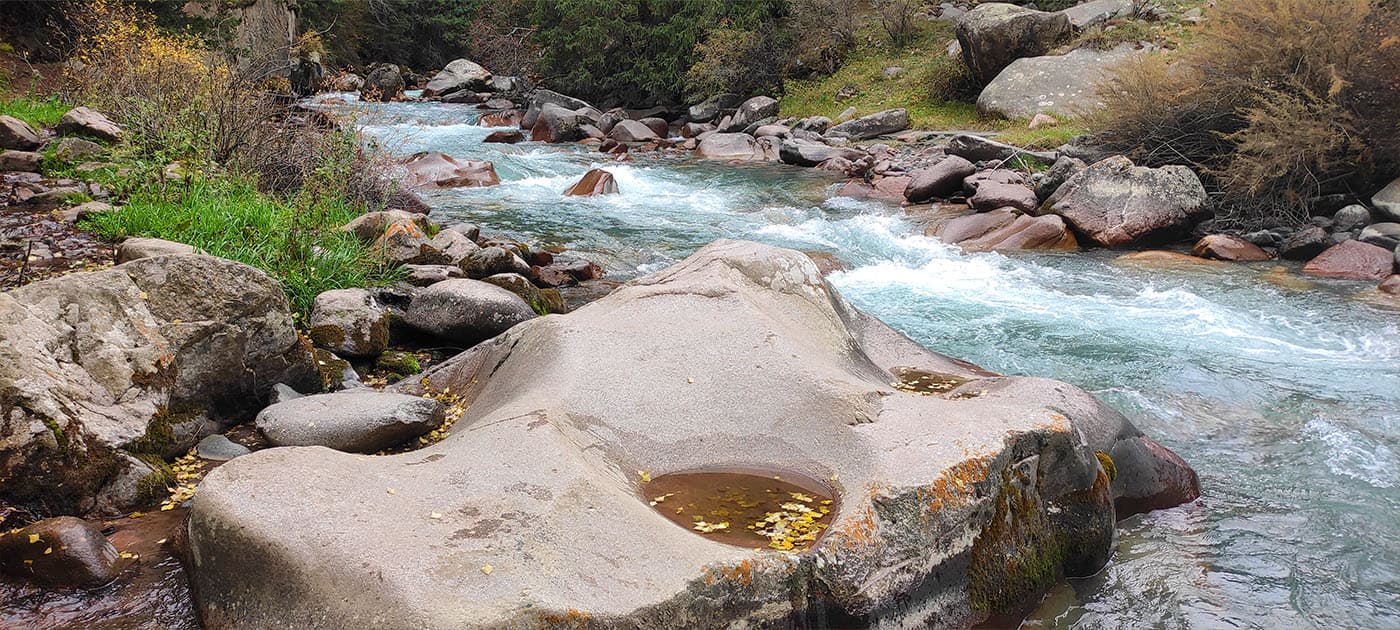
A mountain river in Kyrgyzstan

Most rivers begin in the mountains. The Naryn forms the upper Syr Darya, the Chüy continues into Kazakhstan, and some flow remains in the internal basins of Issyk-Kul and other lakes. Water supports cities, agriculture and hydropower, so a reservoir should not automatically be treated as unrestricted recreation space.

Rafting takes place on selected stretches and only at suitable water levels. Difficulty changes after rain and seasonal snowmelt. Choose an operator that provides helmets, buoyancy aids and a clear cancellation plan.

Wildlife and fishing

High-altitude lakes are important to migratory and nesting birds. At Son-Kul and Chatyr-Kul, watch from a distance, stay away from nests and keep dogs away from the water. Our guide to wildlife in Kyrgyzstan has more practical advice.

Fish communities differ between waters and include native and introduced species. Check recreational permits, closed seasons and allowed tackle for the exact place and date. Current principles are collected in our page about fishing in Kyrgyzstan.

Frequently asked questions about Kyrgyzstan’s lakes

Does Issyk-Kul really never freeze?

The deep open part usually remains free of ice because of its volume and mineral content. Shallow bays and sections by the shore can freeze during a cold winter.

When does the road to Son-Kul open?

There is no fixed calendar date. Yurt camps and main approaches normally operate in summer, but snow, rain and pass conditions alter the timing. Confirm the road with your camp or driver before leaving.

Can I swim in Sary-Chelek?

No. The lake is in a state biosphere reserve where swimming and fishing are prohibited. Ask about current rules and open routes at the checkpoint.

Can I drive to Ala-Kul?

No. A vehicle takes you only to the start of the walking section in Karakol Gorge or the Altyn-Arashan valley. A demanding high-altitude trek follows.

Can I drink from a mountain lake or stream?

Clear water is not necessarily safe. Animals or camps may be upstream. Filter and disinfect it with a suitable method or carry your own water.

Why do mountain lakes change colour?

Colour depends on light, depth, clouds and suspended mineral particles. Fine rock flour in glacial lakes scatters light and makes the water appear blue or green.

Share on social media

If you found this guide useful, share it on social media. It takes a moment and helps more travellers discover the project. Thank you!

Anything to add?

Share your experience, leave a comment or suggest an improvement.