How to explore Kyrgyz culture while travelling
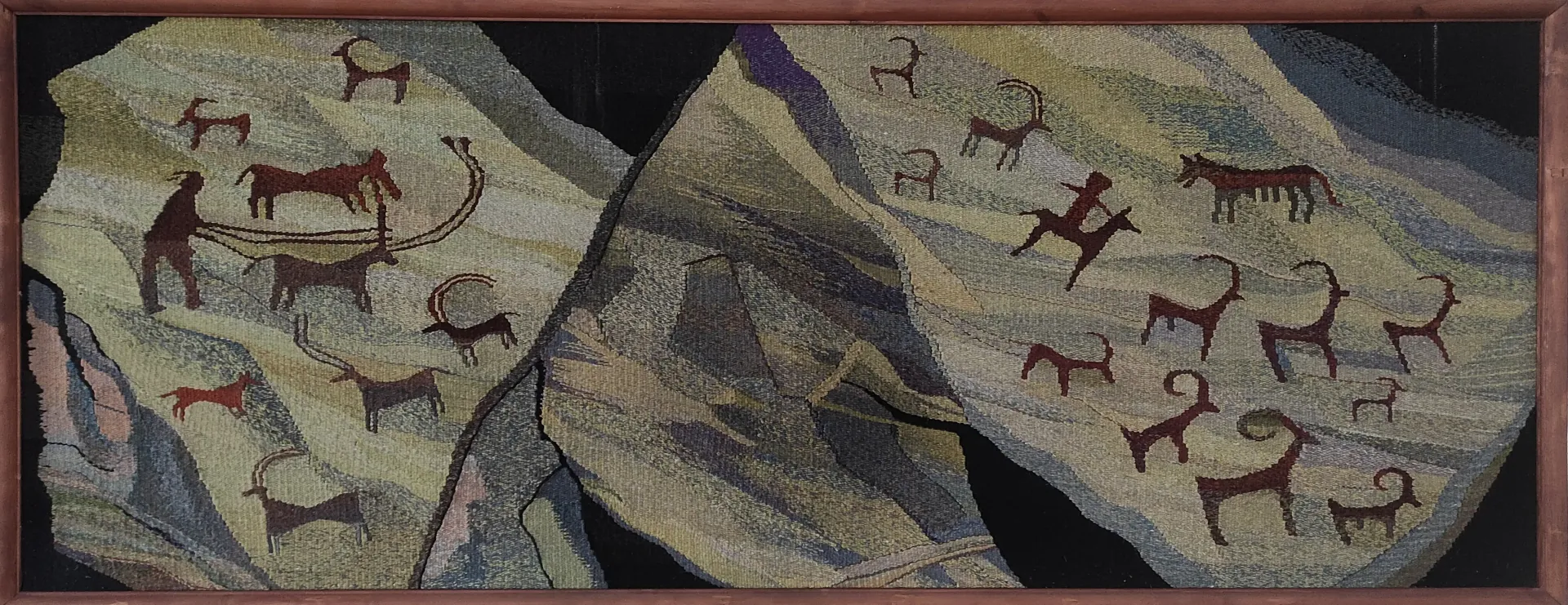
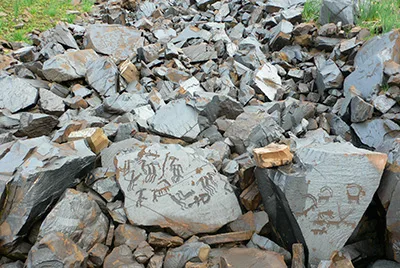
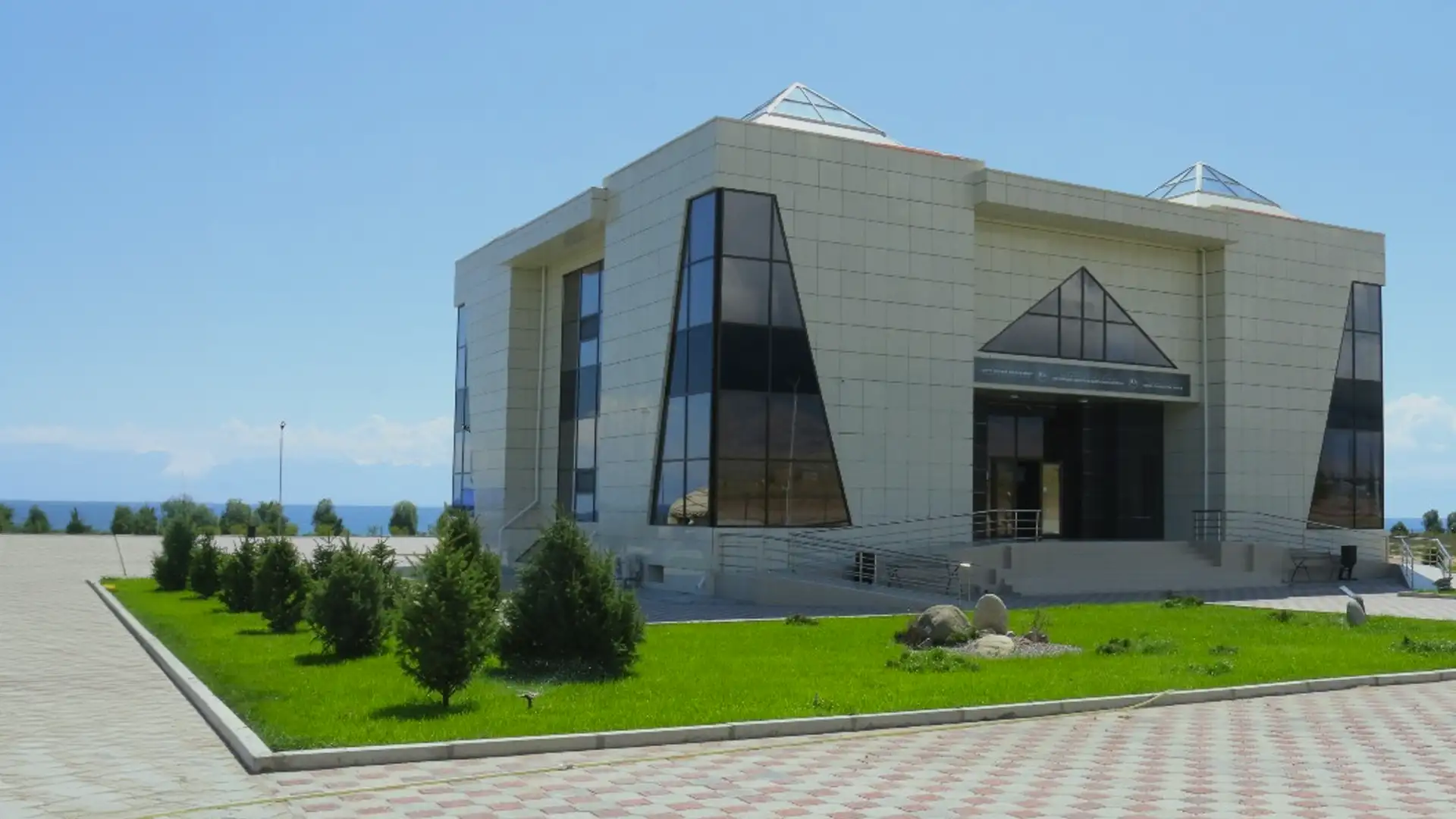
Begin with context, then notice how it works in everyday life. The National Historical Museum in Bishkek presents a chronology of the country. Sulaiman-Too in Osh shows how an ancient sacred site continues within an Islamic tradition. The Cholpon-Ata petroglyphs preserve drawings from different periods within the archaeological landscape itself.
Craft workshops, markets, concerts and home cooking reveal another layer. Do not look for “authentic antiquity” in every object. A contemporary craftsperson may use a traditional pattern in a new form, a restaurant may style its interior after a yurt, and a stage costume will be much more ornate than everyday clothing.
A useful question is not “what does this pattern mean to every Kyrgyz person?” but “who made this piece, what is it made from and how is it used?” That makes it less likely that you will mistake a souvenir story for an established fact.
History through places and objects
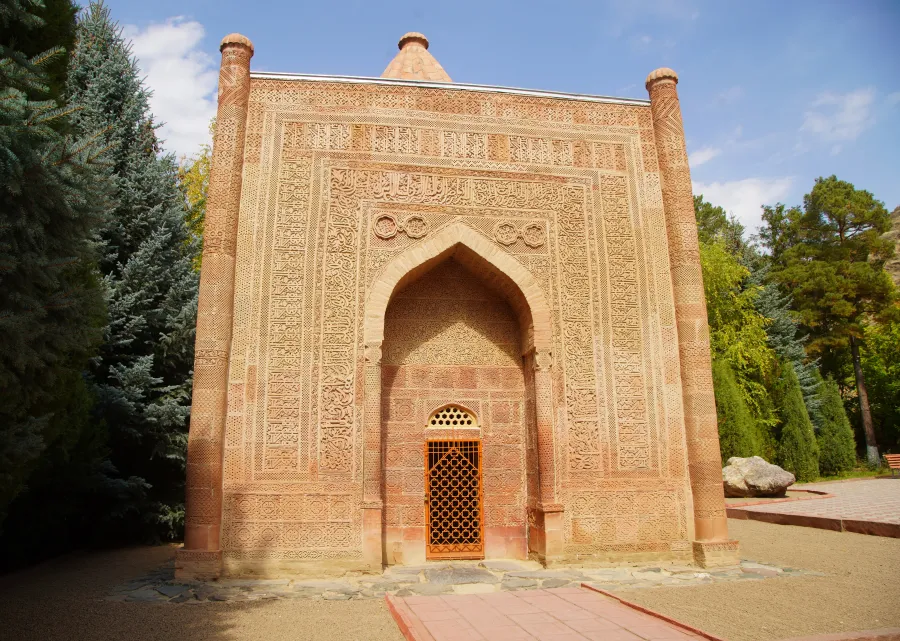
The territory of modern Kyrgyzstan connected mountain pastures, farming valleys and Central Asian cities. Petroglyphs, burial mounds, medieval settlements, minarets, caravanserais and Soviet-era monuments survive here. They belong to different societies and do not form one straight line of an “ancient Kyrgyz civilisation”.
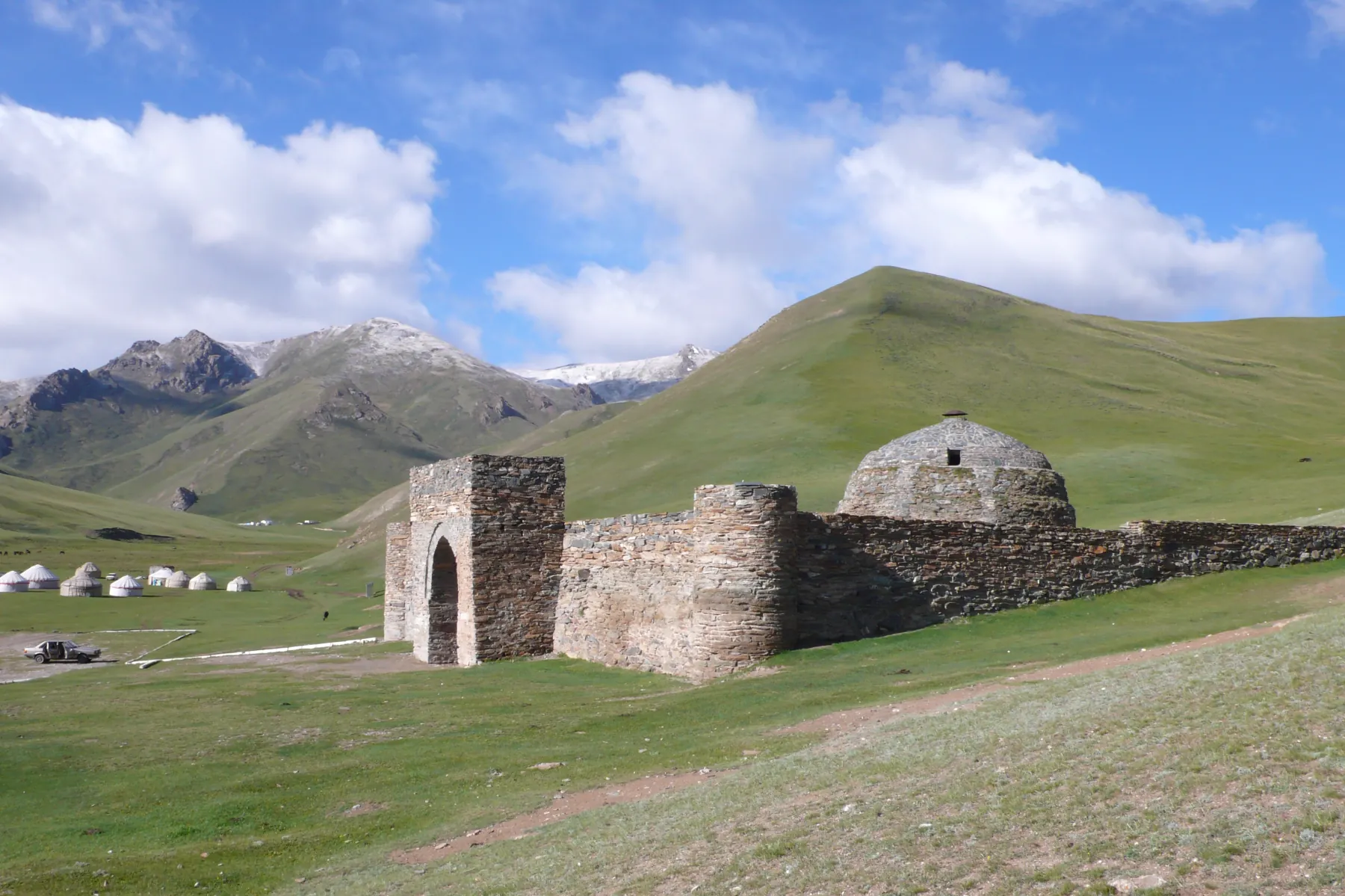
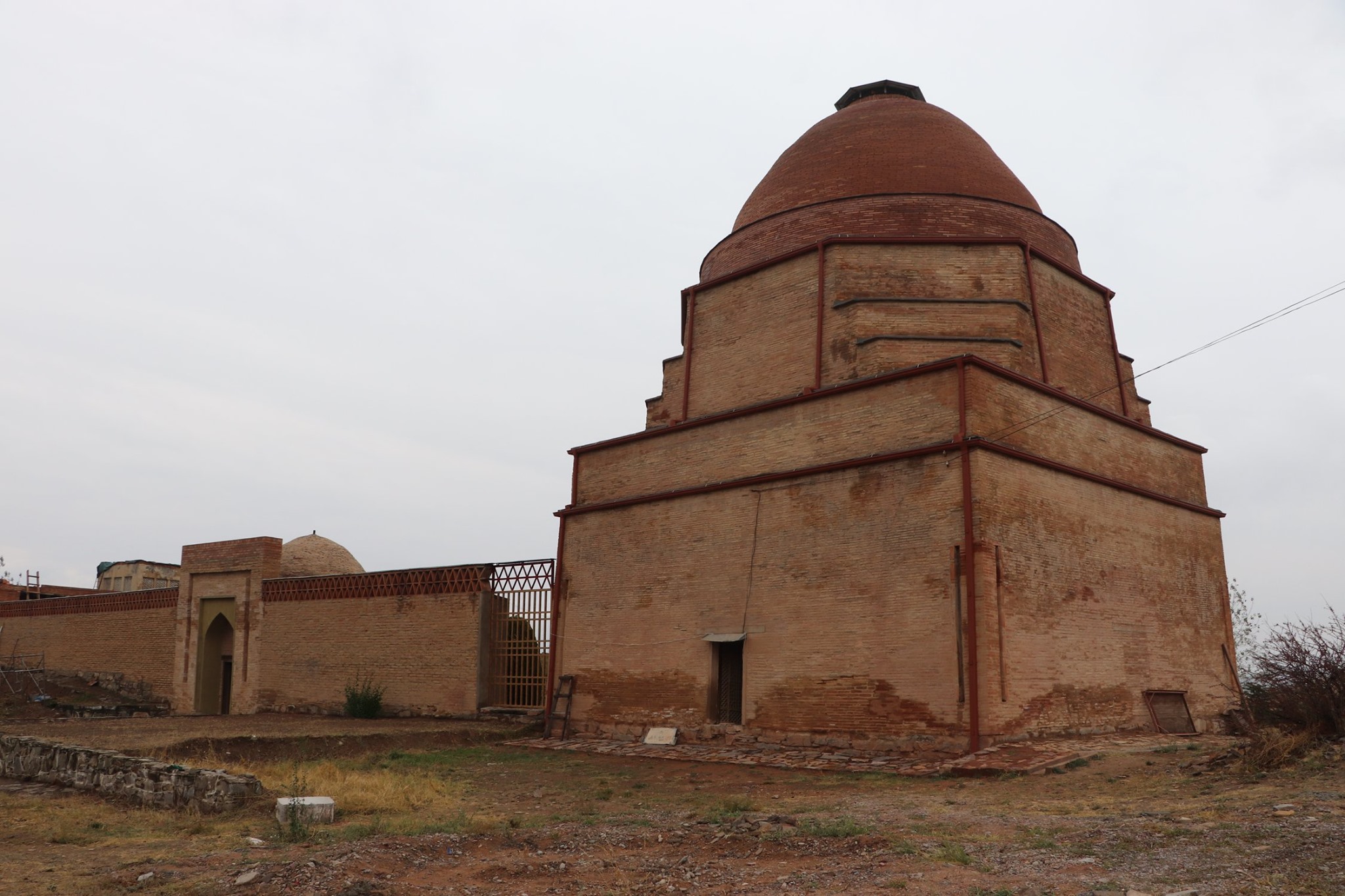
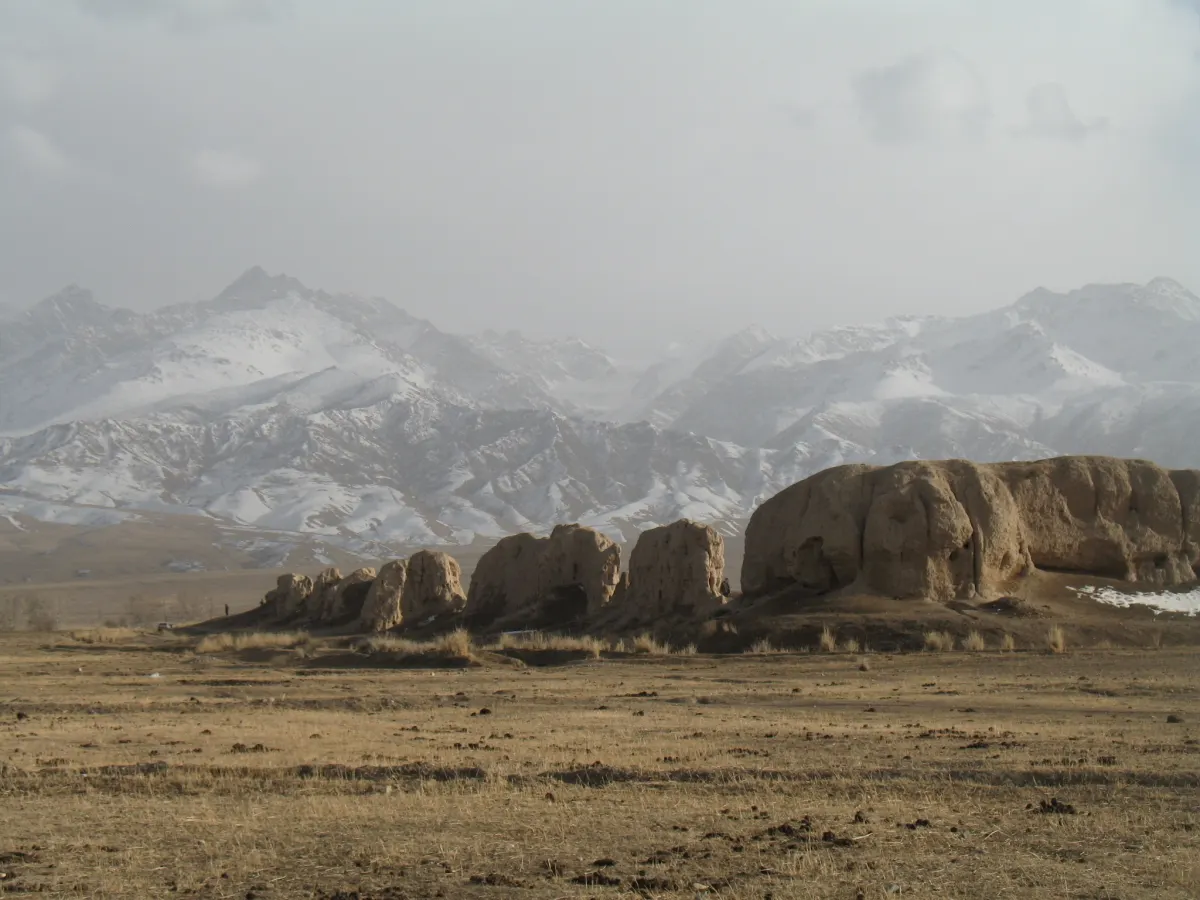
Medieval routes through the Chüy and Fergana valleys formed part of the branching Silk Roads. Burana Tower stands beside the remains of Balasagun, while Tash Rabat is associated with caravan traffic through the inner Tian Shan. Such sites tell a more accurate story of exchange than a broad claim that the country was “the main crossroads of East and West”.
During the nineteenth century, Kyrgyz lands gradually became part of the Russian Empire. Following the revolution, the territory passed through several administrative arrangements and became the Kirghiz SSR in 1936. The Kyrgyz Republic declared independence in 1991. Museums and documentary sources offer a fuller account: a handful of dates cannot explain migration, uprisings, repression, modernisation and social change.
Manas, music and oral tradition
Manas, Semetey and Seytek form an epic trilogy. It is not one unchanging book. Manaschi transmit the epic orally through rhythm, intonation and gesture, and performances vary. In 2013, the Kyrgyz epic trilogy was added to the Representative List of the Intangible Cultural Heritage of Humanity.
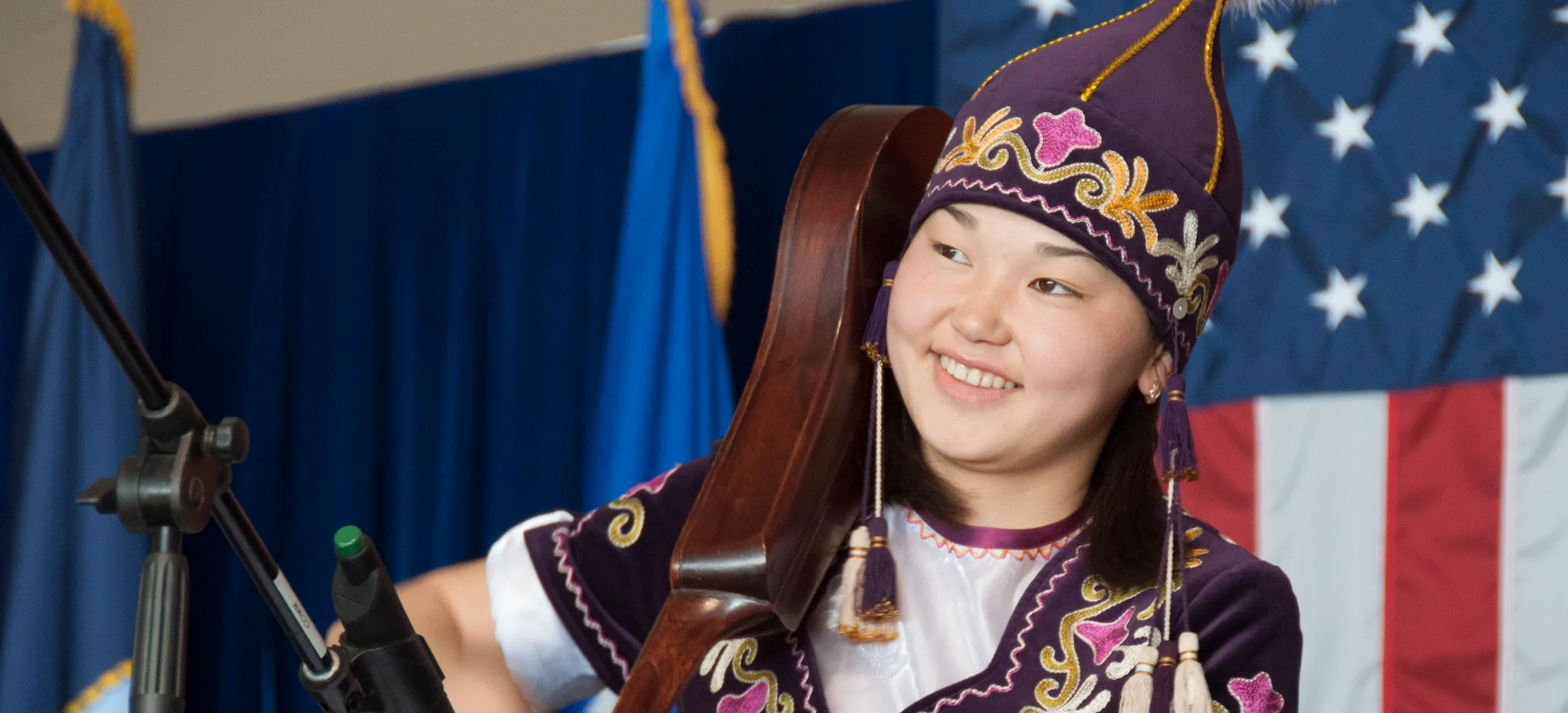
The komuz, a three-stringed plucked instrument, is played both solo and in ensembles. Musicians vary their right- and left-hand techniques, strike rhythmic patterns on the body and may turn a performance into a short theatrical story. The kyl kyyak is played with a bow, while the temir komuz belongs to the jaw-harp family.
The akyn tradition brings together poetry, music and improvisation. In an aytysh, performers answer one another in verse before an audience. Content depends on the occasion and the participants’ skill, so a live performance with translation often explains the form better than an uncaptioned recording.
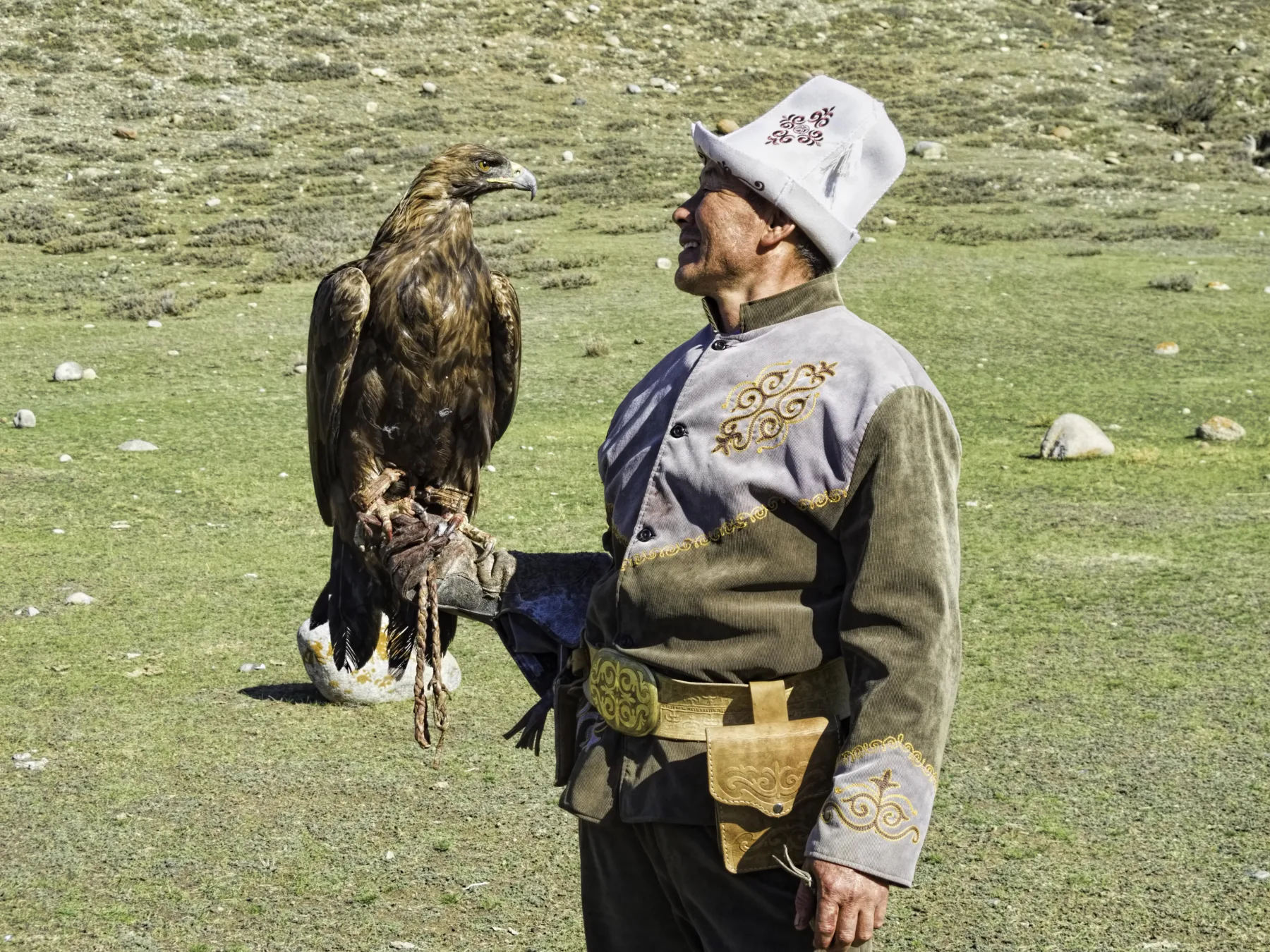
UNESCO’s list of Kyrgyzstan’s intangible heritage includes the epic tradition, aytysh, the ak-kalpak, kok boru, toguz korgool, falconry and the work of berkutchi, among other practices. Inclusion calls for safeguarding knowledge and its bearers; it does not turn every associated object into a museum relic.
Yurts, felt and objects of nomadic life
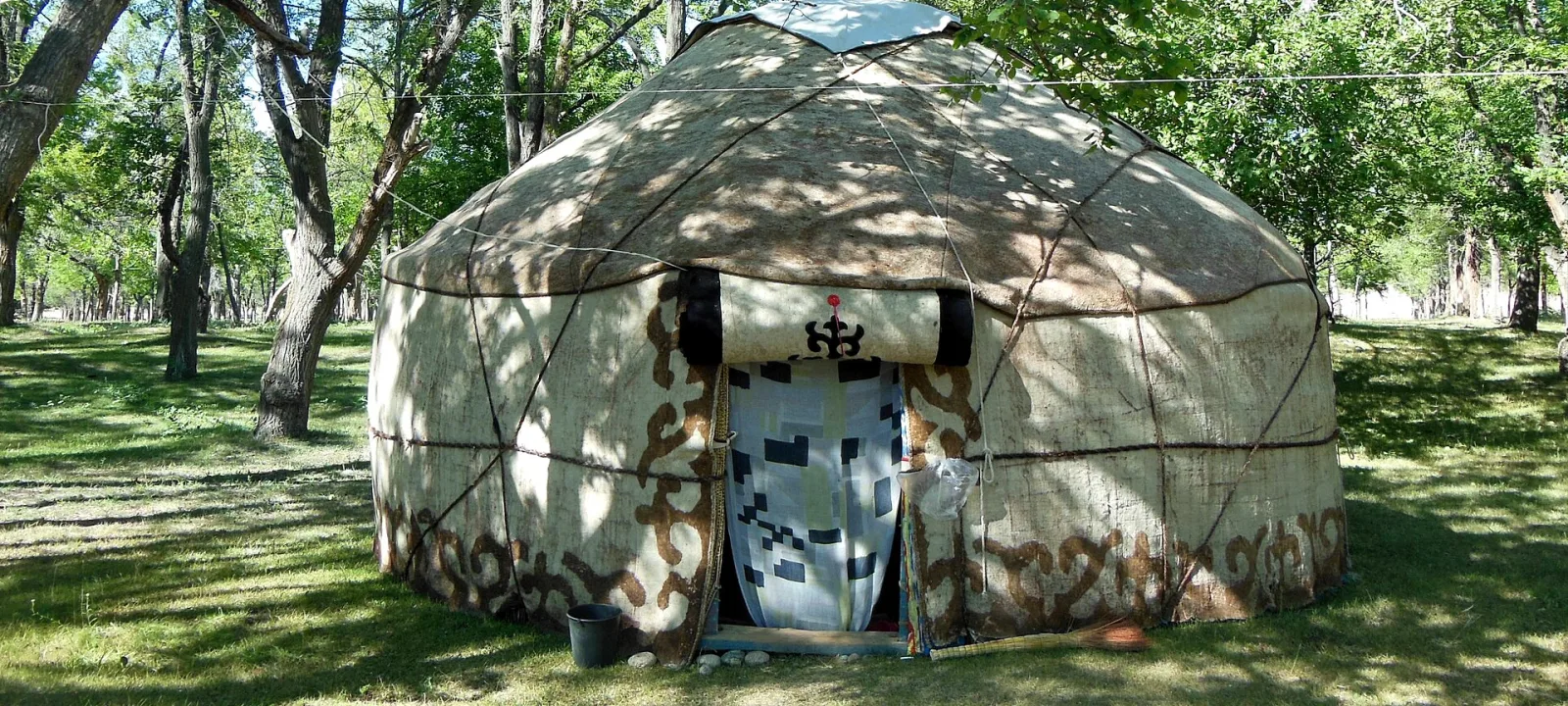
The Kyrgyz yurt, or boz üi, consists of a collapsible wooden frame and a felt covering. Its lattice walls are called kerege, and roof poles meet at the tündük. Light and air enter through the opening at the top, while a separate cover helps regulate it according to the weather.
The collapsible structure suits seasonal movement, but a modern tourist yurt may remain in one place all summer and contain electricity, beds and a stove. It is comfortable accommodation, not an exact reconstruction of a historical dwelling. Mountain nights can be cold even in summer, so ask about heating and blankets before booking.
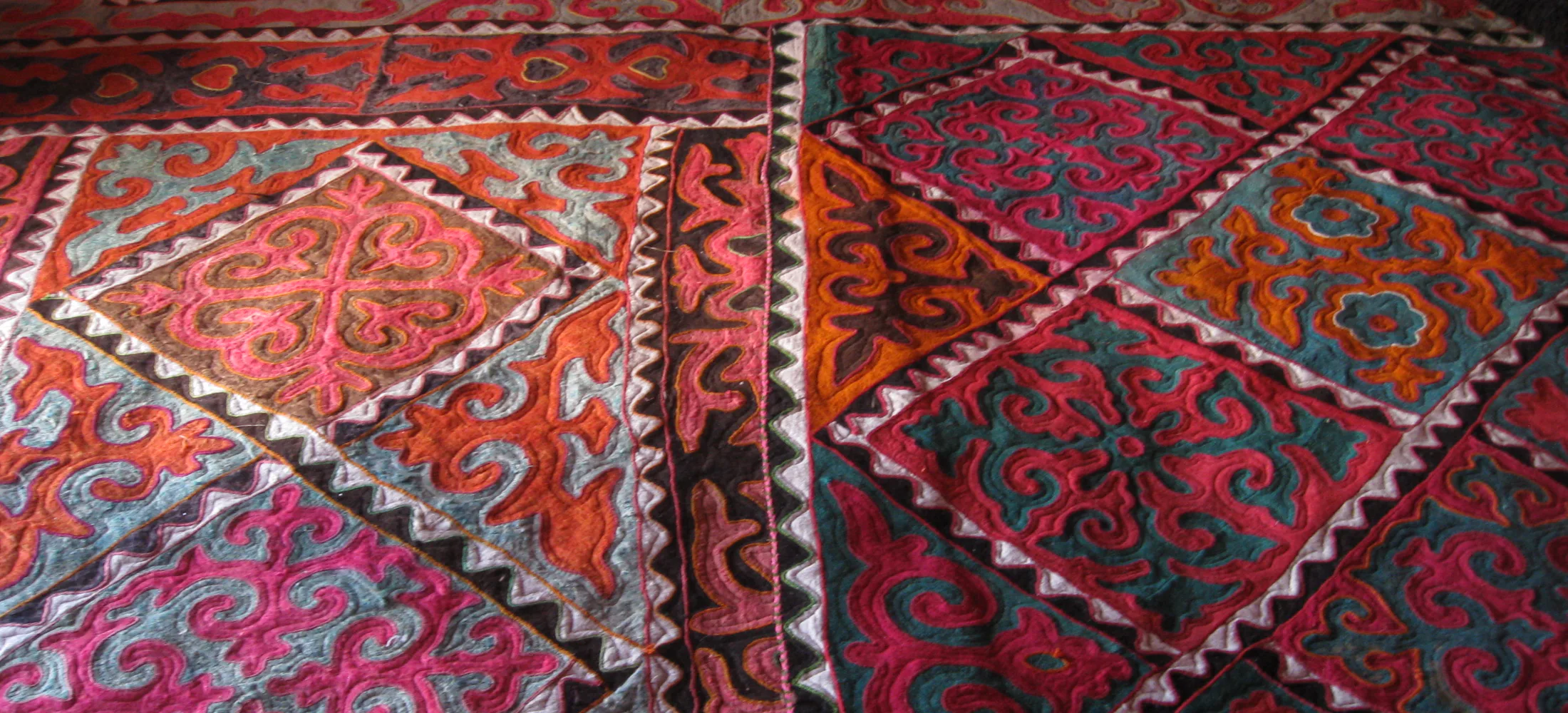
Felt is used for yurt covers, carpets, bags and smaller objects. Ala kiyiz is made by felting coloured wool into a single piece, while a shyrdak is assembled from cut and stitched parts, so their patterns look different. UNESCO placed the skills of making ala kiyiz and shyrdak on the list of intangible heritage in need of urgent safeguarding.
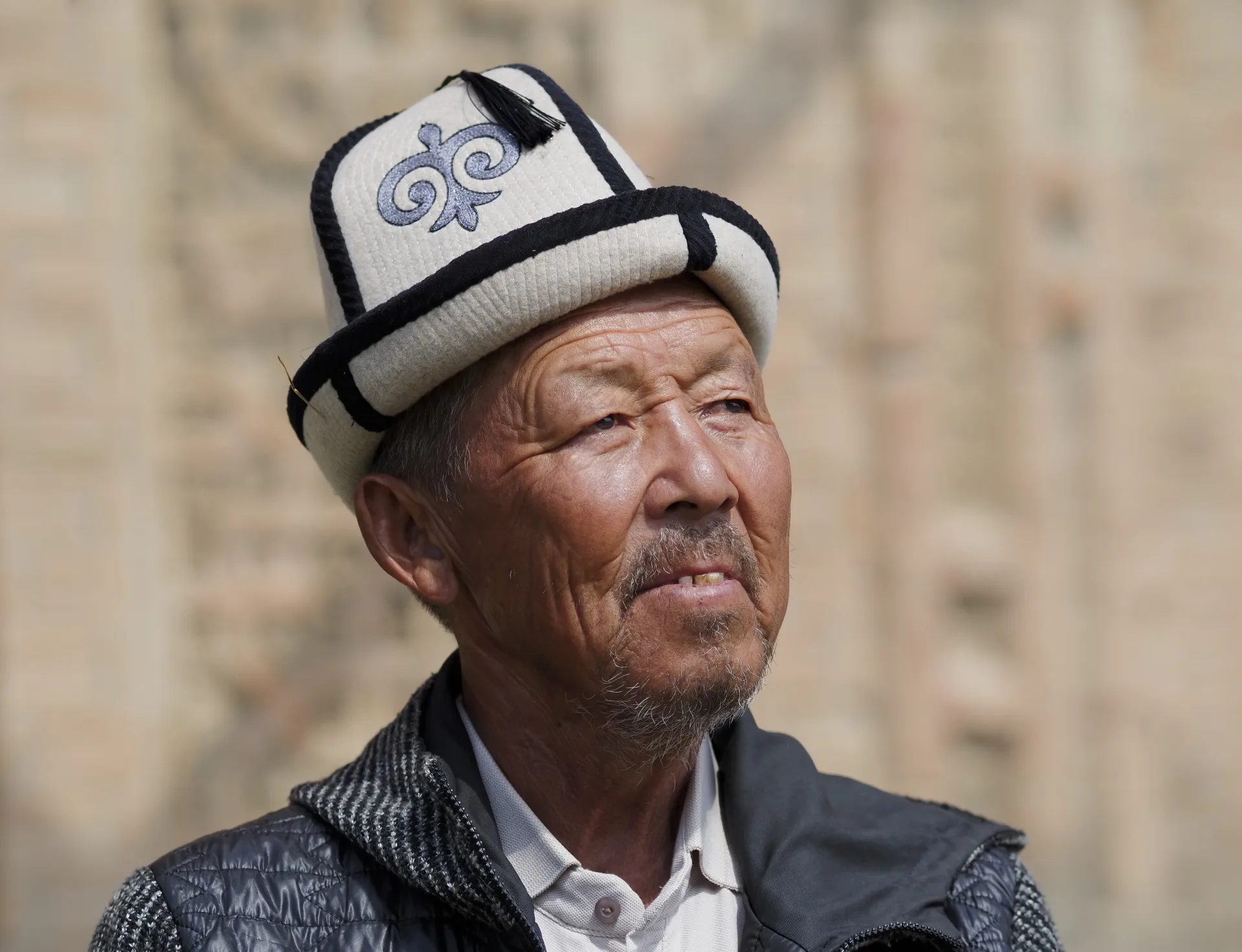
The ak-kalpak is made from white felt. Its form, decoration and use have changed, so do not assign a universal meaning to every trim colour. When buying a kalpak or shyrdak, ask for the maker’s name, material and technique. That conversation is more useful than a seller’s tale about a “secret ancient symbol”.
Food, tea and hospitality
Guests are often offered tea, bread and food, but the routine depends on the family and occasion. Watch your hosts: where they leave their shoes, where they sit and when they begin eating. If you cannot accept something, thank them briefly and give a simple reason.
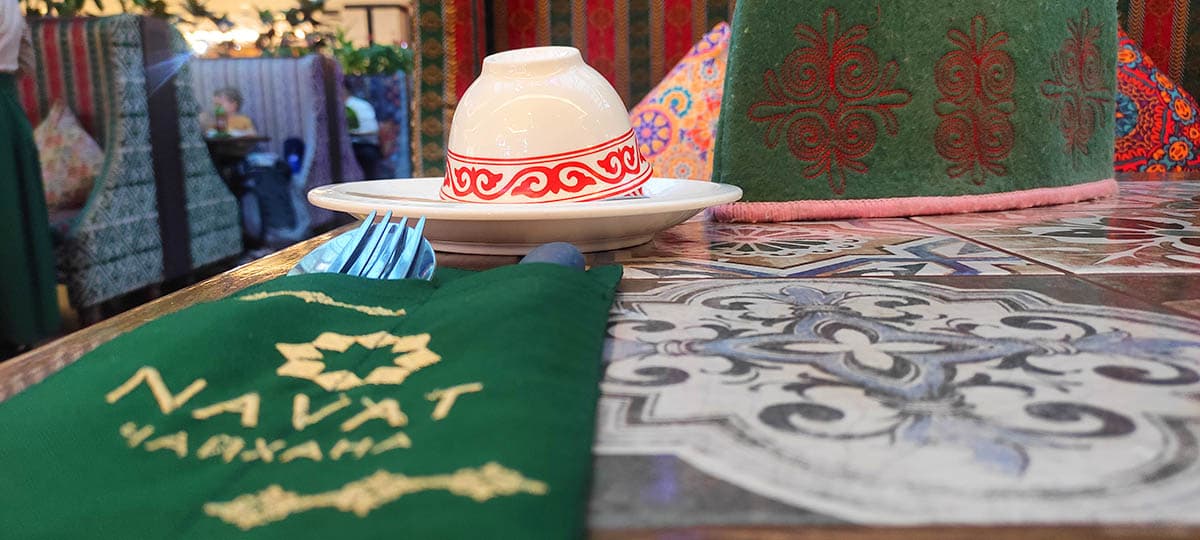
Kyrgyz cuisine developed around meat, dairy products and grain, together with regional exchange. Beshbarmak, boorsok, kurut and kymyz reflect different ways of preserving and preparing food. Lagman, manty and ashlyam-fu demonstrate Central Asian cultural exchange; shared origins do not make them any less at home in Kyrgyzstan.
The word toy refers to a large family or community celebration such as a wedding, birth or anniversary. An invitation does not make a visitor an audience member at a folklore show. Ask about clothing, time, gifts and whether you may photograph people.
Nooruz, games and contemporary urban culture
Nooruz is celebrated on 21 March, around the spring equinox. Cities host concerts, games, fairs and the preparation of sümölök. It is shared by several countries and has local variants; it does not belong to a single culture.
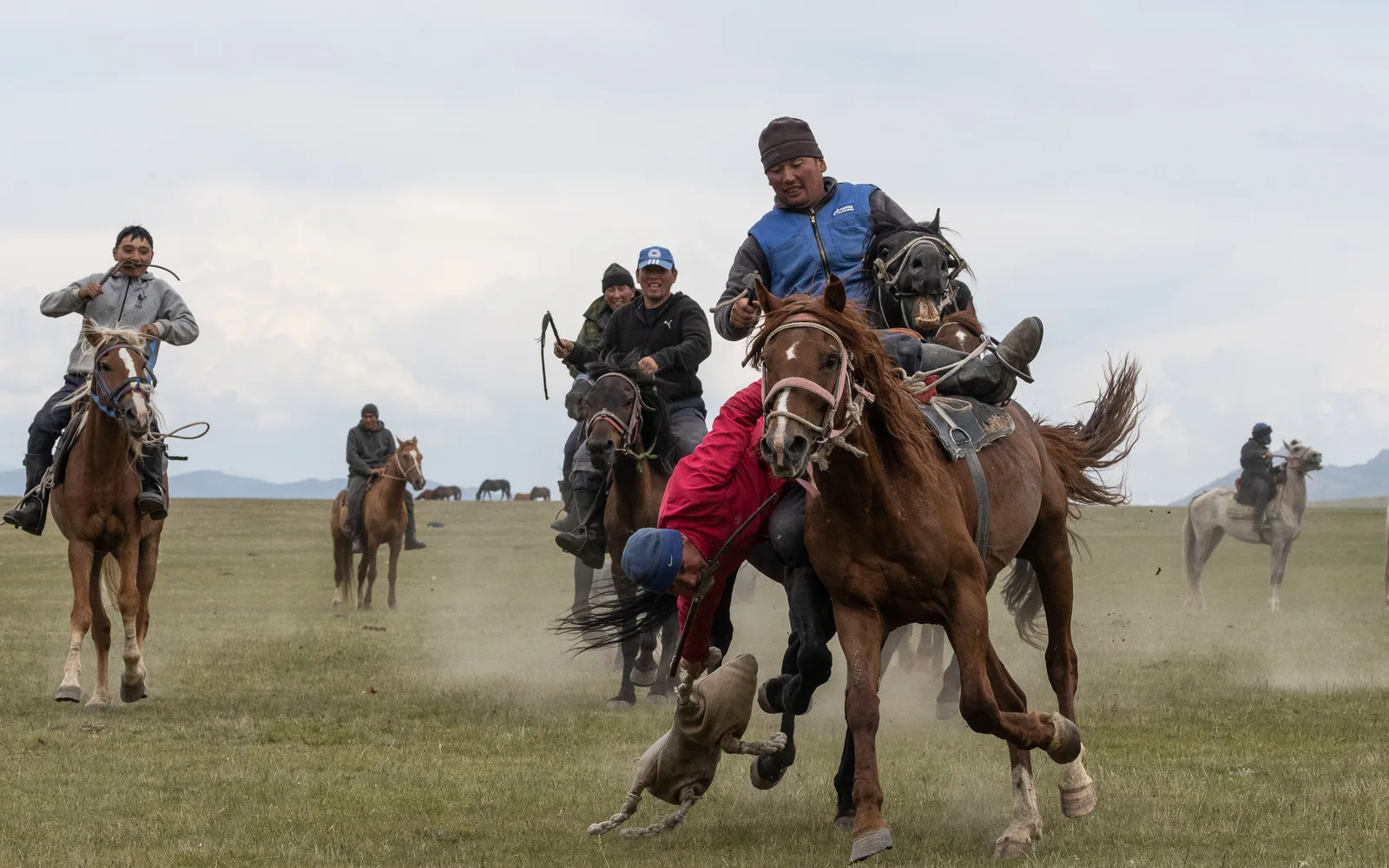
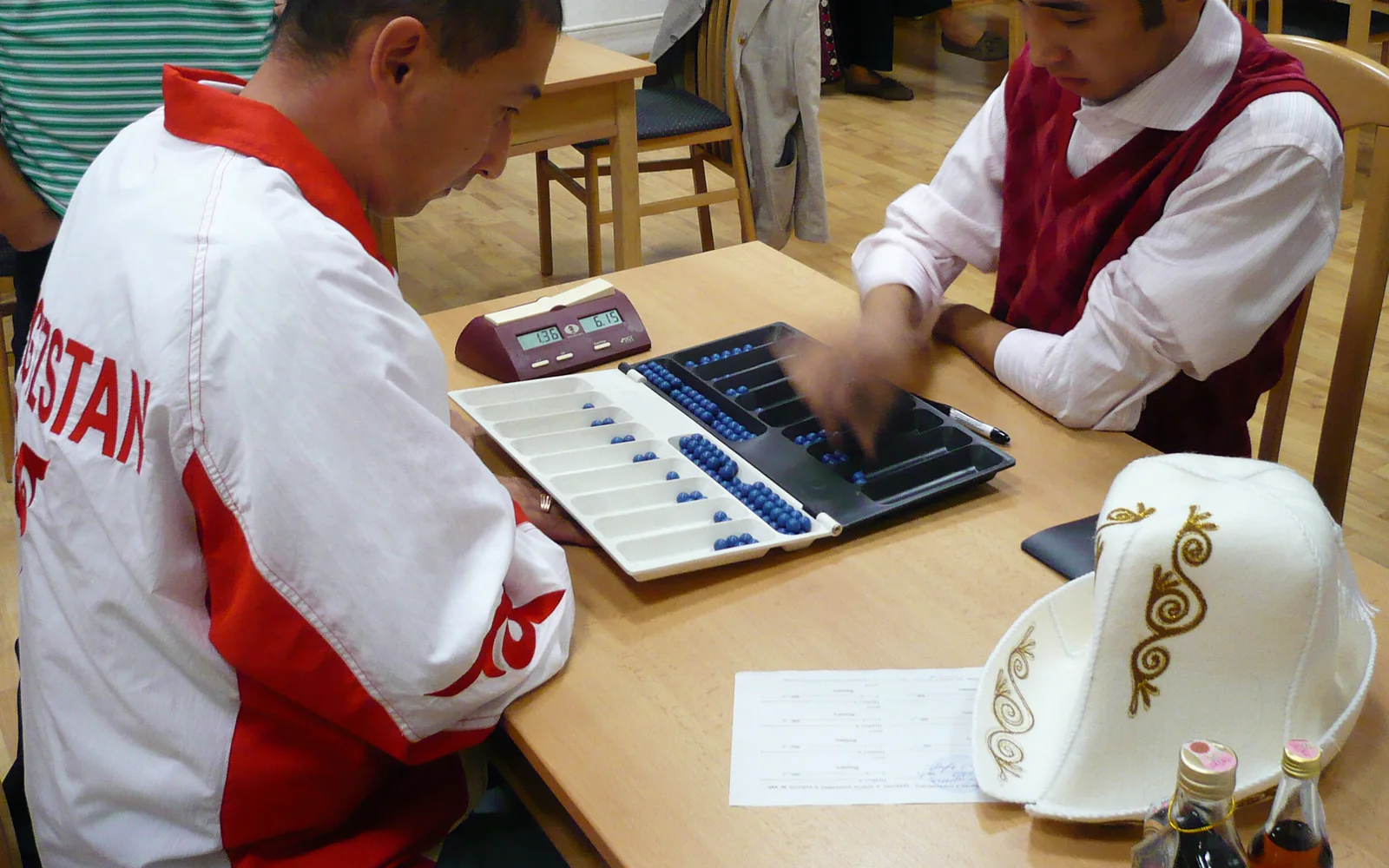
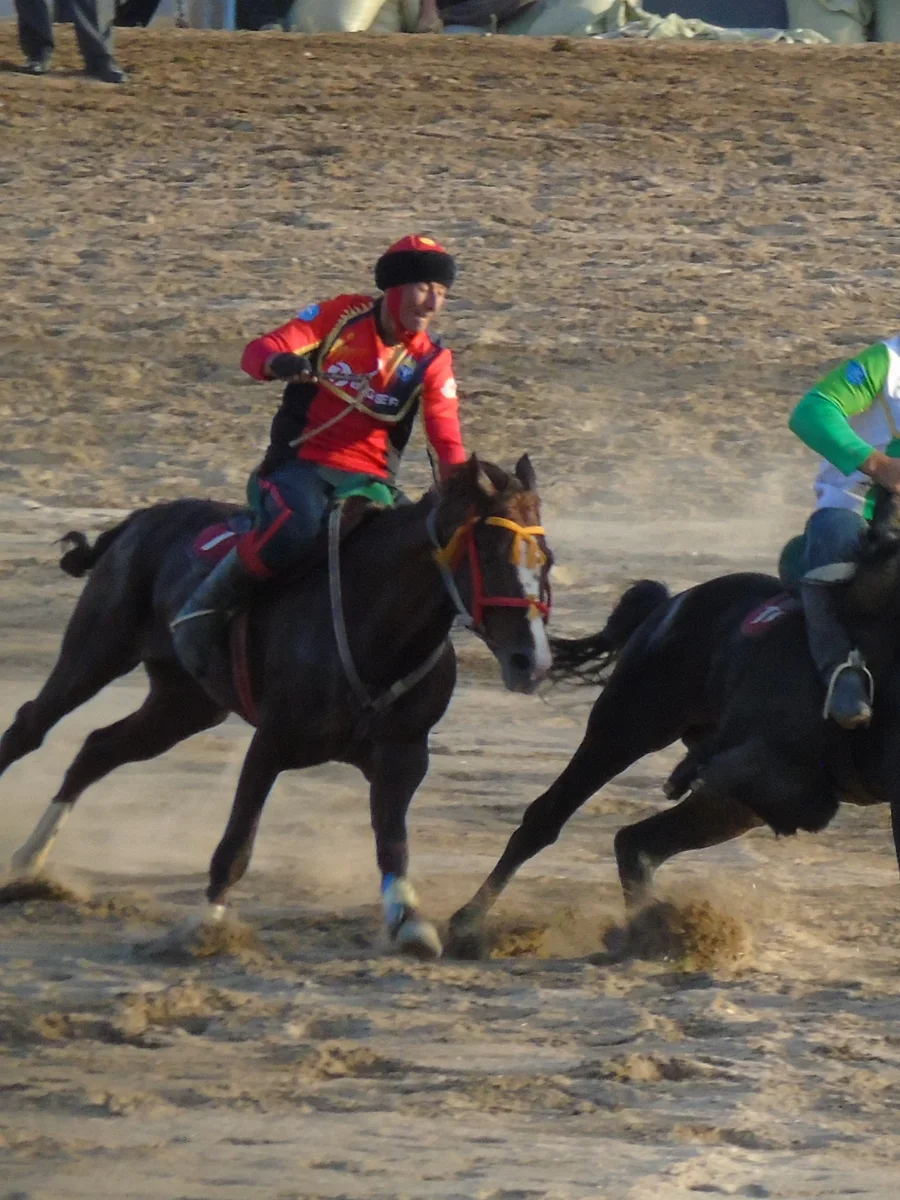
Two teams of riders compete in kok boru. The aim involves taking the game object to the opposing team’s tai kazan; competition rules define the permitted object and safety requirements. Toguz korgool, by contrast, is played on a board and relies on calculating moves and distributing stones.
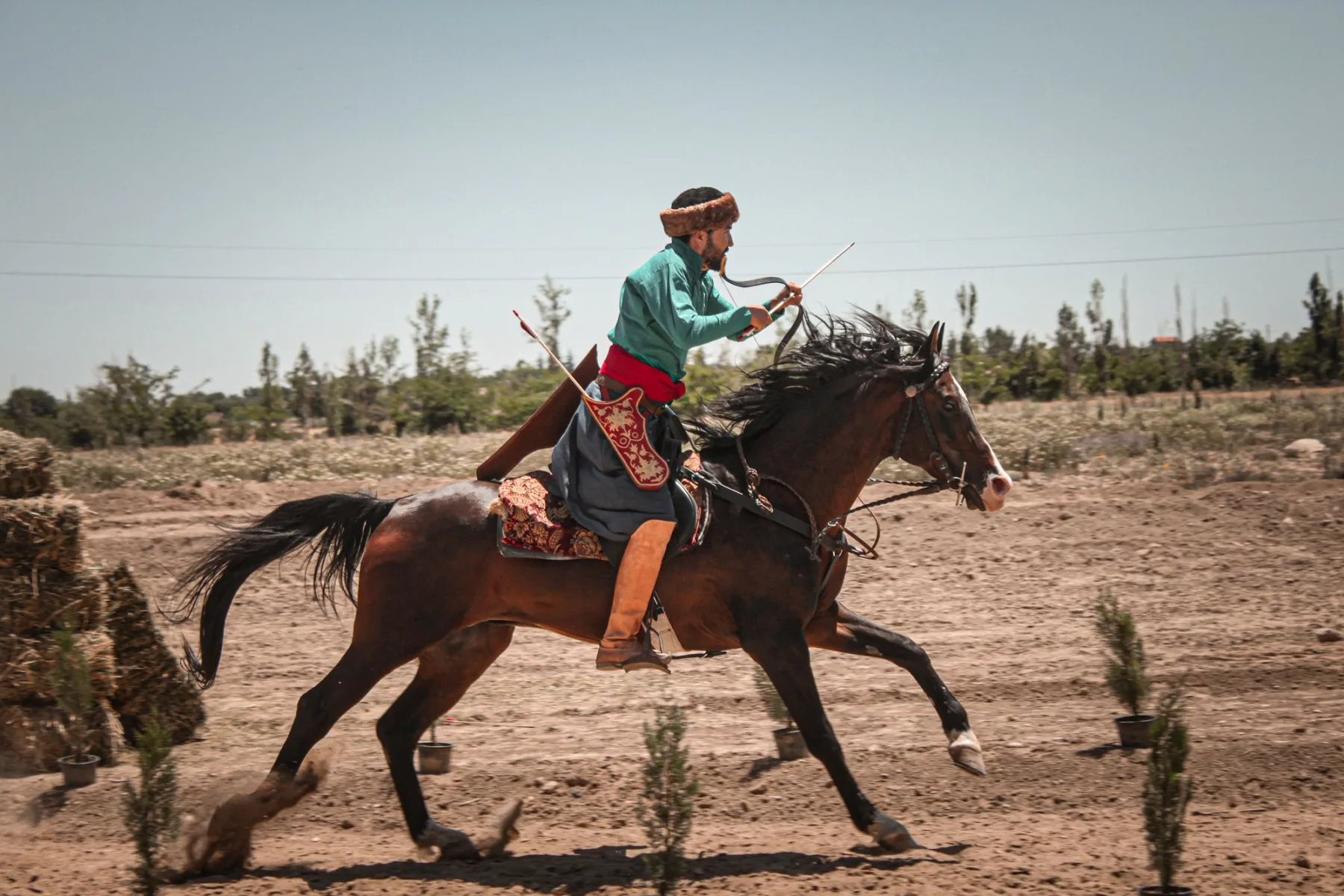
Traditional archery, or jaa atuu, has both foot and horseback formats. A festival show, a competition and a visitor’s first lesson call for different rules and preparation.
The new Games of Kyrgyzstan section brings together clear guides to ordo, Er Enish, Tyiyn Enmei, horse racing, Kyz Kuumai, Alysh, Kyrgyz Kurosh and Salbuurun.
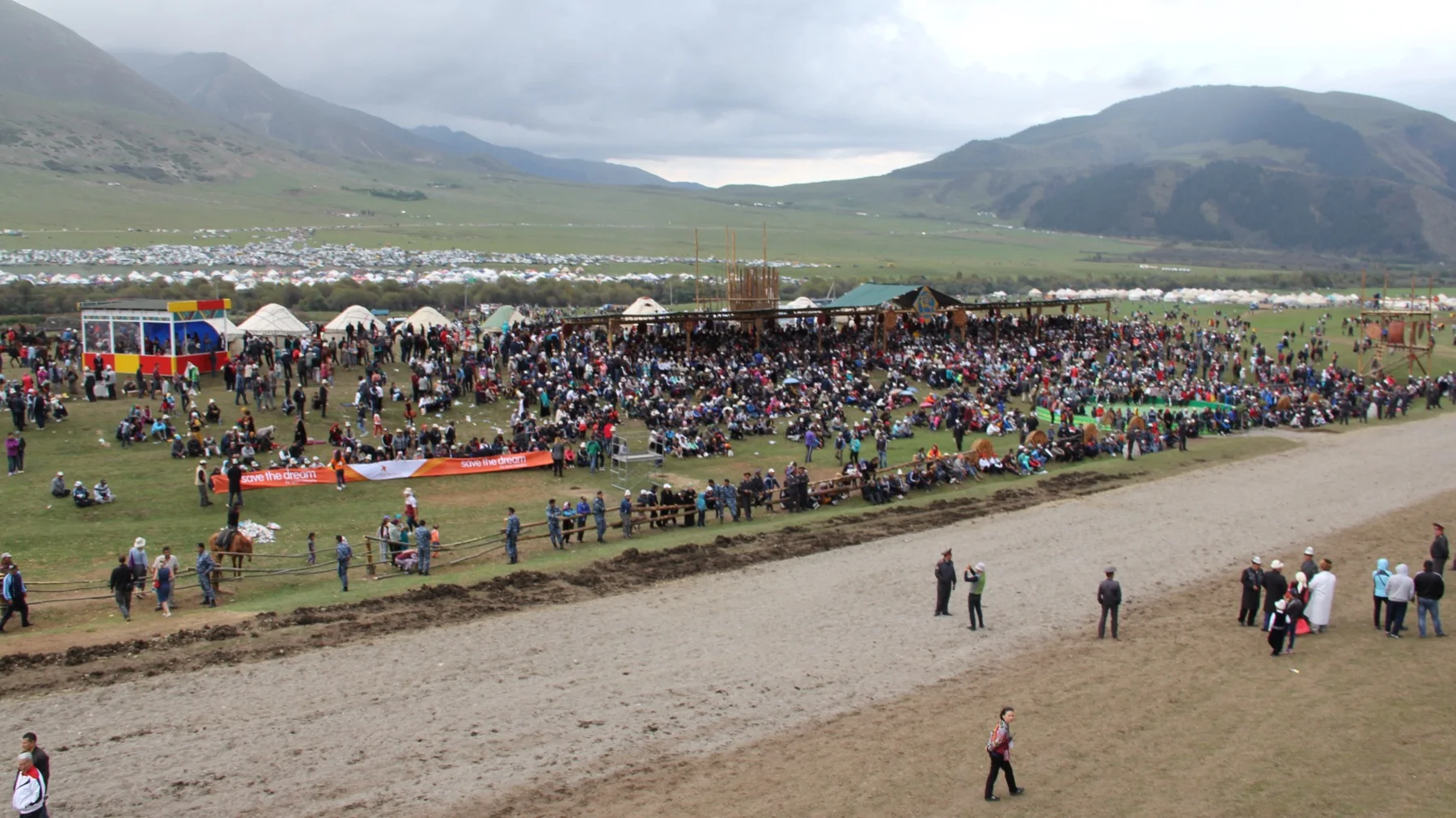
The 2026 World Nomad Games bring these and many other disciplines together in one international programme. Our event guide covers dates, Bishkek and Issyk-Kul venues, free admission, tickets and transport.
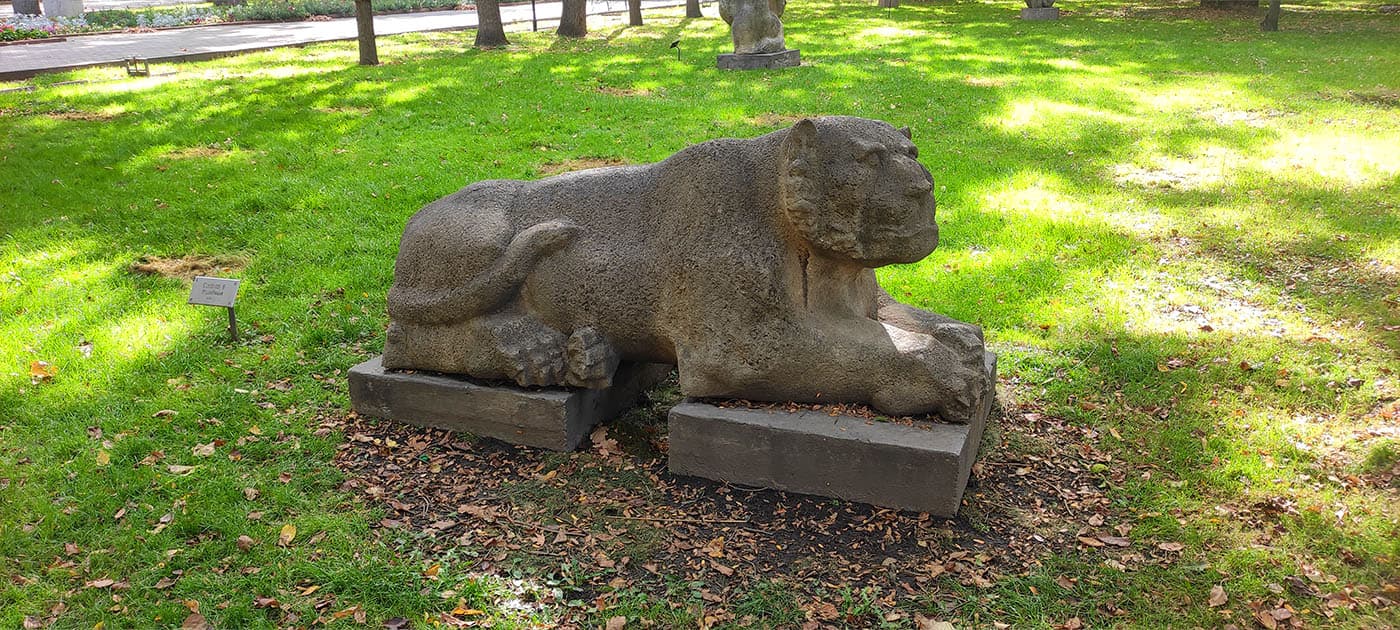
Contemporary Kyrgyz culture is not limited to preserving the past. Artists, filmmakers, designers and musicians address migration, urban life, memory, ecology and political change. Check current listings for museums, theatres and independent venues in Bishkek shortly before your trip: spaces and programmes change faster than permanent collections.
Abduction for marriage is not cultural heritage
The phrase ala kachuu is used for different narratives, but taking someone against their will for the purpose of marriage should not be described as tradition or romantic custom. It is violence and a criminal offence. Article 172 of Kyrgyzstan’s current Criminal Code establishes liability for abducting a person for the purpose of marriage.
A UNDP Kyrgyzstan explanation explicitly distinguishes the crime from cultural practice. Consent to marriage must be voluntary. Family pressure, detention, threats or being unable to leave do not create consent.
Travellers should avoid repeating the stereotype that abduction is “accepted” in the country. It both distorts Kyrgyz culture and dismisses the experience of victims.
Traditions and crafts
Games and events
History and museums
Frequently asked questions about Kyrgyz culture
Does the Manas epic have a single canonical version?
No. The epic was transmitted orally, so manaschi perform different versions with their own intonation, rhythm and composition. A printed edition records one version but does not replace the living tradition.
How does a shyrdak differ from an ala kiyiz?
Ala kiyiz is made by felting coloured wool into one piece. A shyrdak is assembled from cut and stitched felt pieces, often creating a paired contrasting design.
What is a tündük?
The tündük is the round upper part of a yurt frame to which the roof poles attach. Light and air enter through the central opening. Its image appears on the flag of Kyrgyzstan.
May I photograph people in national dress?
Ask permission first. A public performance and a private situation call for different approaches, and a person’s clothing does not turn them into a tourist attraction.
Should I remove my shoes when entering?
This is often customary in homes and yurts, but circumstances vary. Watch your hosts or ask directly. Museums, restaurants and public buildings follow the rules of the particular venue.
Is bride kidnapping considered a tradition?
Abducting someone against their will for marriage is a crime. It cannot be justified by culture or family pressure. Marriage requires the free consent of both people.
Share on social media
If you found this guide useful, share it on social media. It takes a moment and helps more travellers discover the project. Thank you!
Anything to add?
Share your experience, leave a comment or suggest an improvement.