Contents:
What sümölök is
Sümölök is a slow-cooked paste based on germinated wheat. Sprouting activates enzymes that convert some of the grain's starch into sugars, so the base develops sweetness without needing added sugar. The extracted wheat liquid is combined with flour, water and vegetable oil, then reduced until thick.
In Kyrgyz, the name is sümölök. Russian speakers in Kyrgyzstan say sumolok; sumalak is common in Uzbekistan, sumanak in Tajikistan and samanu in Iran. The names and recipes vary, while sprouted wheat, a spring festival and many hours around a common pot connect them.
This is a wider Central and Western Asian tradition. In Kyrgyzstan it remains a living practice: households and neighbours sprout the grain, assemble a large kazan and take turns at the fire.
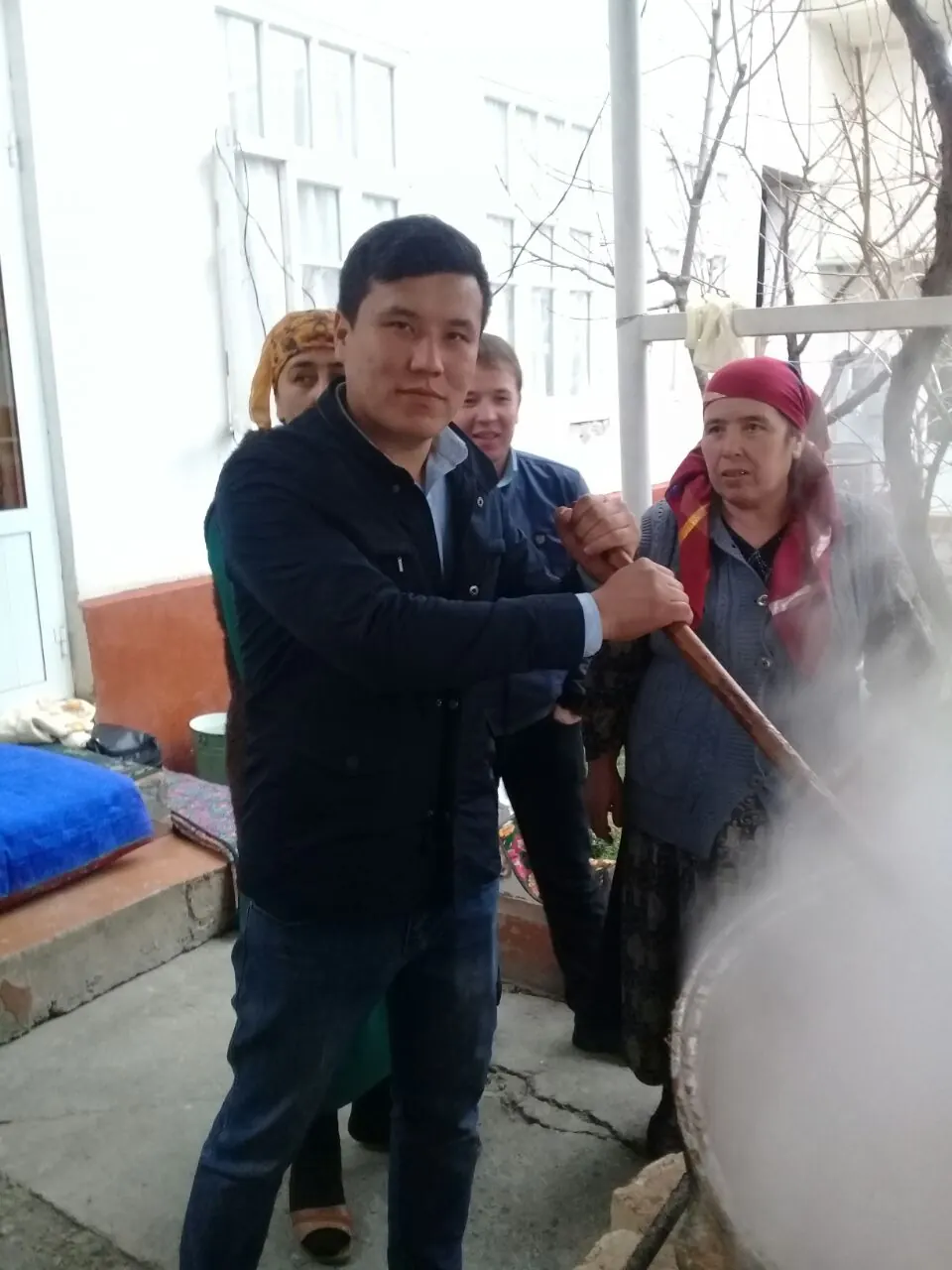 1/3. Communal sumalak cooking, Uzbekistan Photo: Javlonbek Nazirov, Wikimedia Commons, CC BY-SA 4.0; edited for this site.
 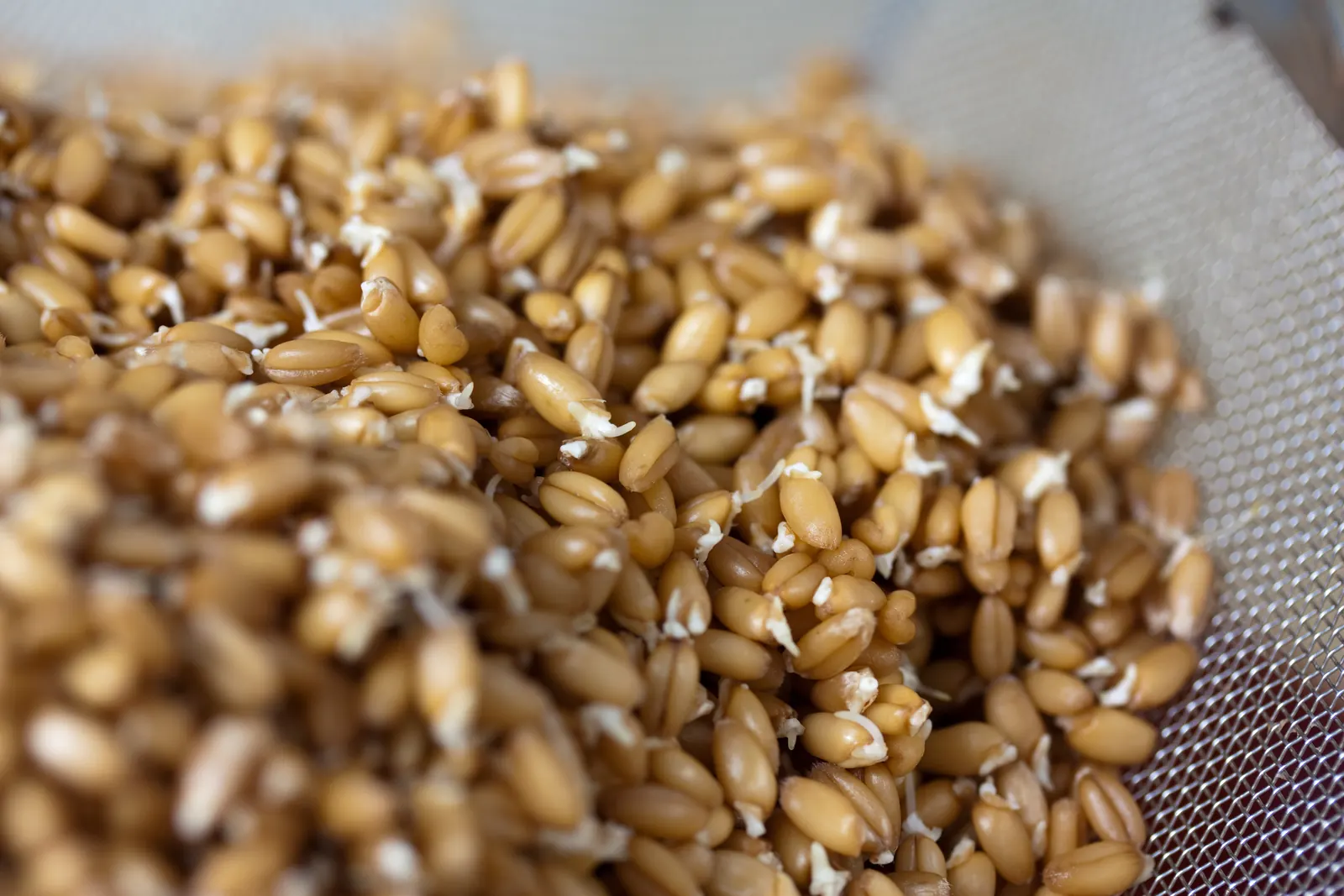 2/3. Sprouted wheat berries Photo: Veganbaking.net, Wikimedia Commons, CC BY-SA 2.0; edited for this site.
 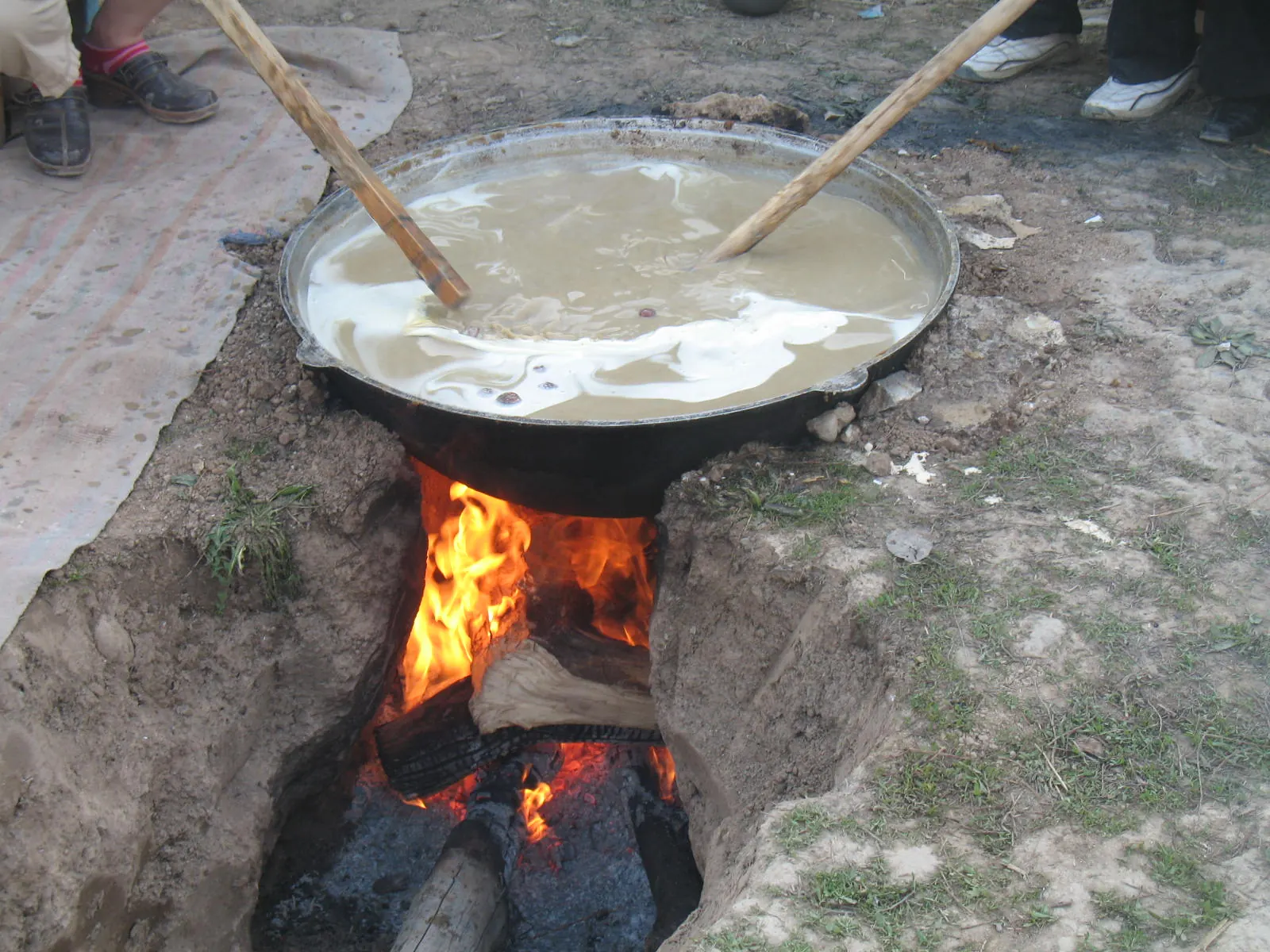 3/3. Sümölök in Ak-Örgöö, Chüy Region Photo: Firespeaker, Wikimedia Commons, CC BY-SA 3.0; edited for this site.
 Why sümölök belongs to Nooruz
UNESCO connects Nowruz with 21 March, the arrival of spring and renewal in nature. The festival is observed across many countries, including Kyrgyzstan. A living wheat sprout is an immediate symbol of new growth, which gives the dish a natural place on the seasonal table.
Preparation in Kyrgyzstan starts several days in advance. Wheat is cleaned, soaked and germinated, while the cauldron goes onto the fire before 21 March. People stop by to stir, make a wish, bring firewood or feed the night shift. Boorsok, tea and a shared meal often appear alongside the pot.
Some groups add 41 clean, smooth stones. The custom is tied to wishes and the work of stirring the heavy mixture at the bottom. It is a familiar version rather than a mandatory rule: families differ on the number, additions and ritual.
From wheat to cauldron
First, the grain is germinated. Whole food-grade wheat is washed, soaked, spread in a thin layer and kept moist for several days. Grain used too early gives a weak extract, while long green shoots may taste grassy or bitter. Experienced cooks judge the sprouts as well as the calendar.
Next comes the wheat extract. The sprouted mat is ground with water and squeezed through cloth. The pulp may be washed and pressed twice more. The liquid goes into the cauldron; flour gives the dish body, while oil helps a large quantity cook more evenly.
Then the long cooking begins. The mixture starts pale and fluid. As water evaporates, it thickens and turns reddish brown. A large cauldron may stay on the fire for 12-18 hours before being covered and left to settle for several more. Volume, heat, water and the household formula all affect the timing.
Why recipes disagree: for one kilogram of wheat, different cooks may use between one and four kilograms of flour, alter the water and oil, or add nuts, raisins, dried apricots and sugar. A documented formula is more useful than declaring any one ratio canonical.
What sümölök tastes like
Good sümölök is smooth, dense and spoon-coating. Its flavour combines malty sweetness, toasted wheat and something close to caramel. Added sugar may make it sweeter, but a sweet batch does not prove that sugar was used.
The colour runs from light brown to nearly chocolate. Cooking time, flour, wheat concentration and additions all matter. The pale liquid at the start and the finished dark paste can look like different foods even though one gradually becomes the other in the same cauldron.
Serving styles also change. At home, the paste goes into small bowls and containers; at a city celebration it may be ladled straight from the communal vessel. Iran, Tajikistan and Uzbekistan have their own consistency and presentation, so the neighbouring examples below illustrate related versions, not a single Kyrgyz standard.
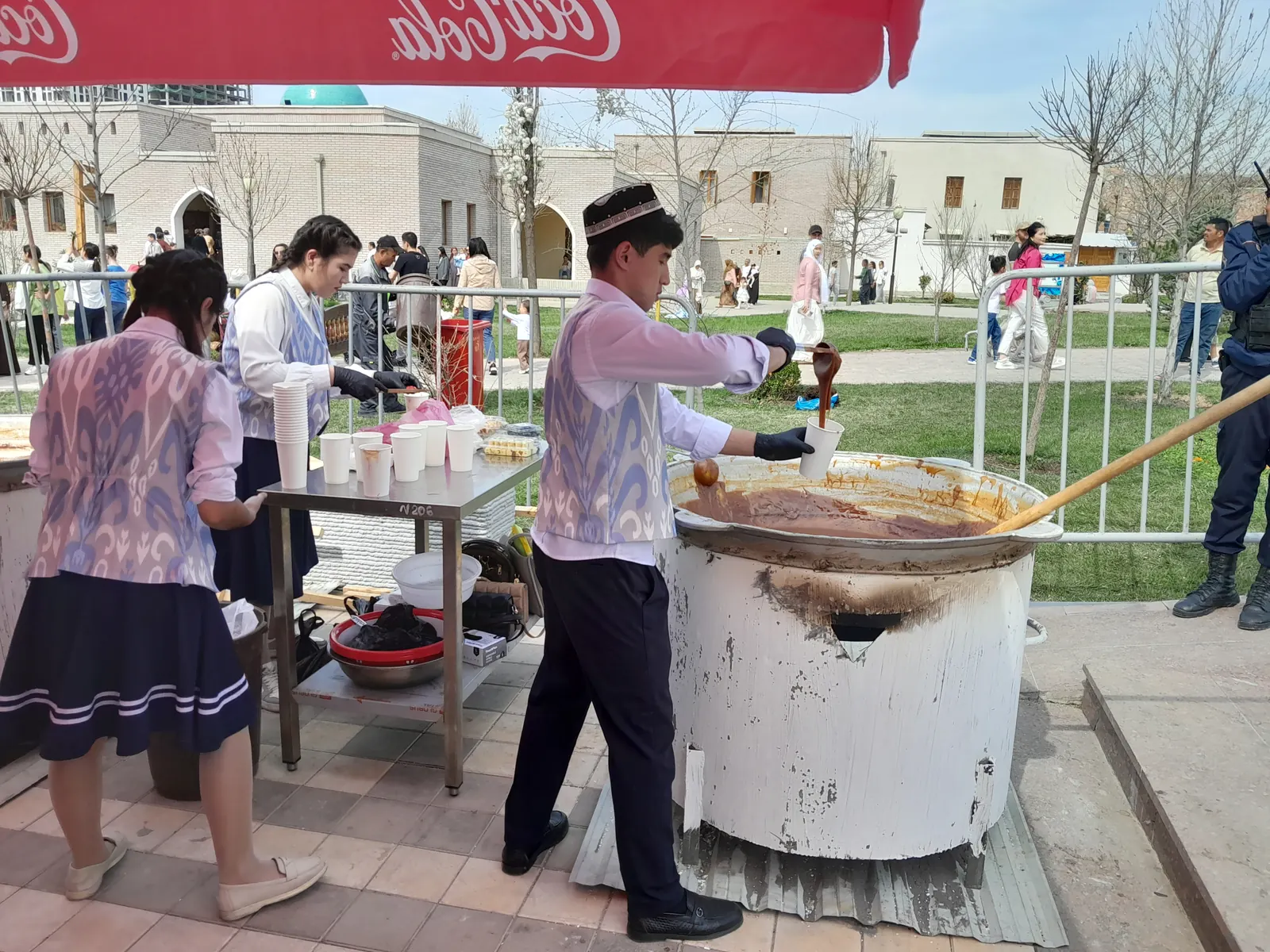 1/3. Serving sumalak at Nowruz, Uzbekistan Photo: Miss Kamola, Wikimedia Commons, CC BY-SA 4.0; edited for this site.
 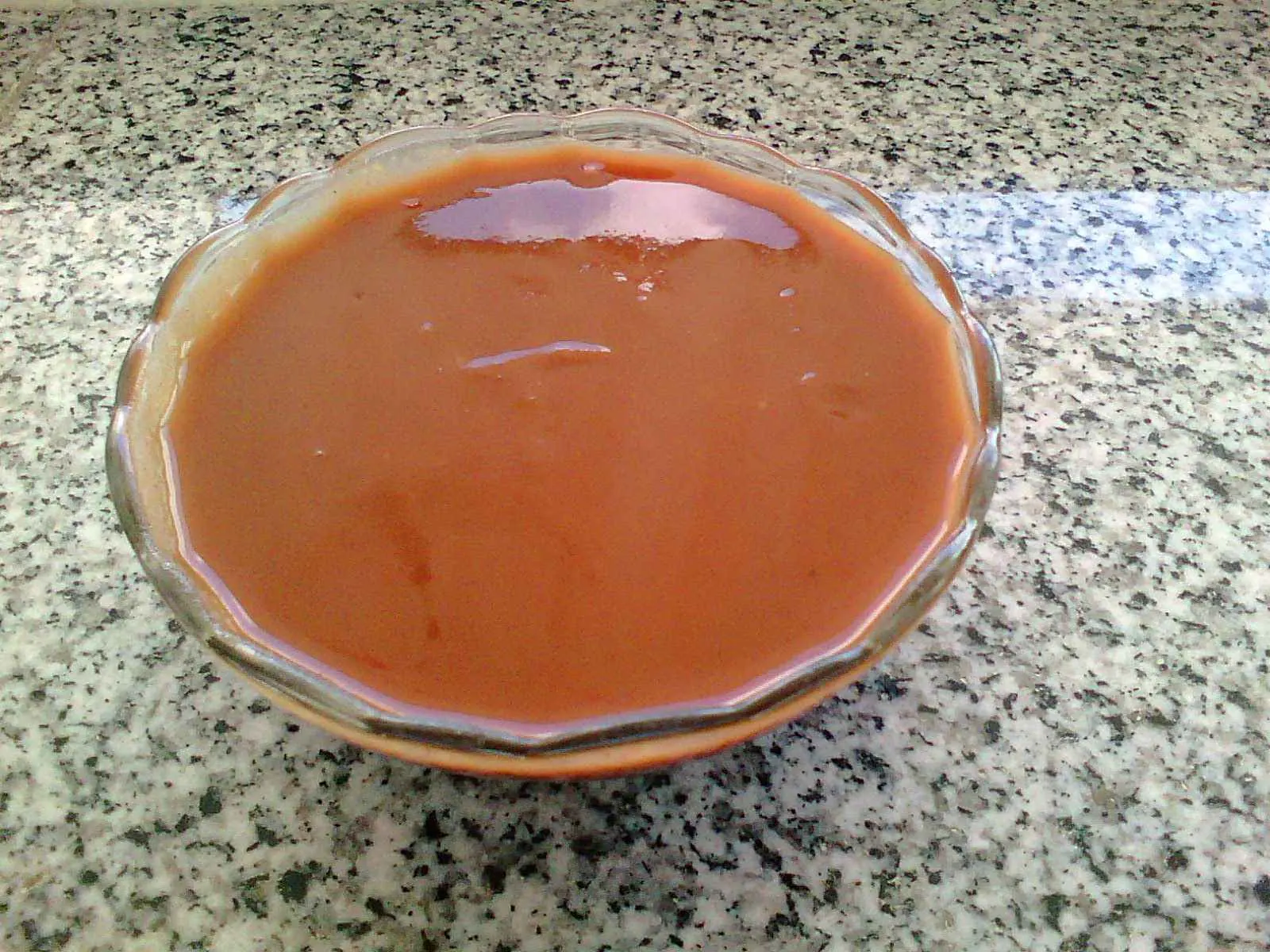 2/3. Cooked samanu, Iran Photo: Shams948, Wikimedia Commons, CC BY-SA 4.0; edited for this site.
 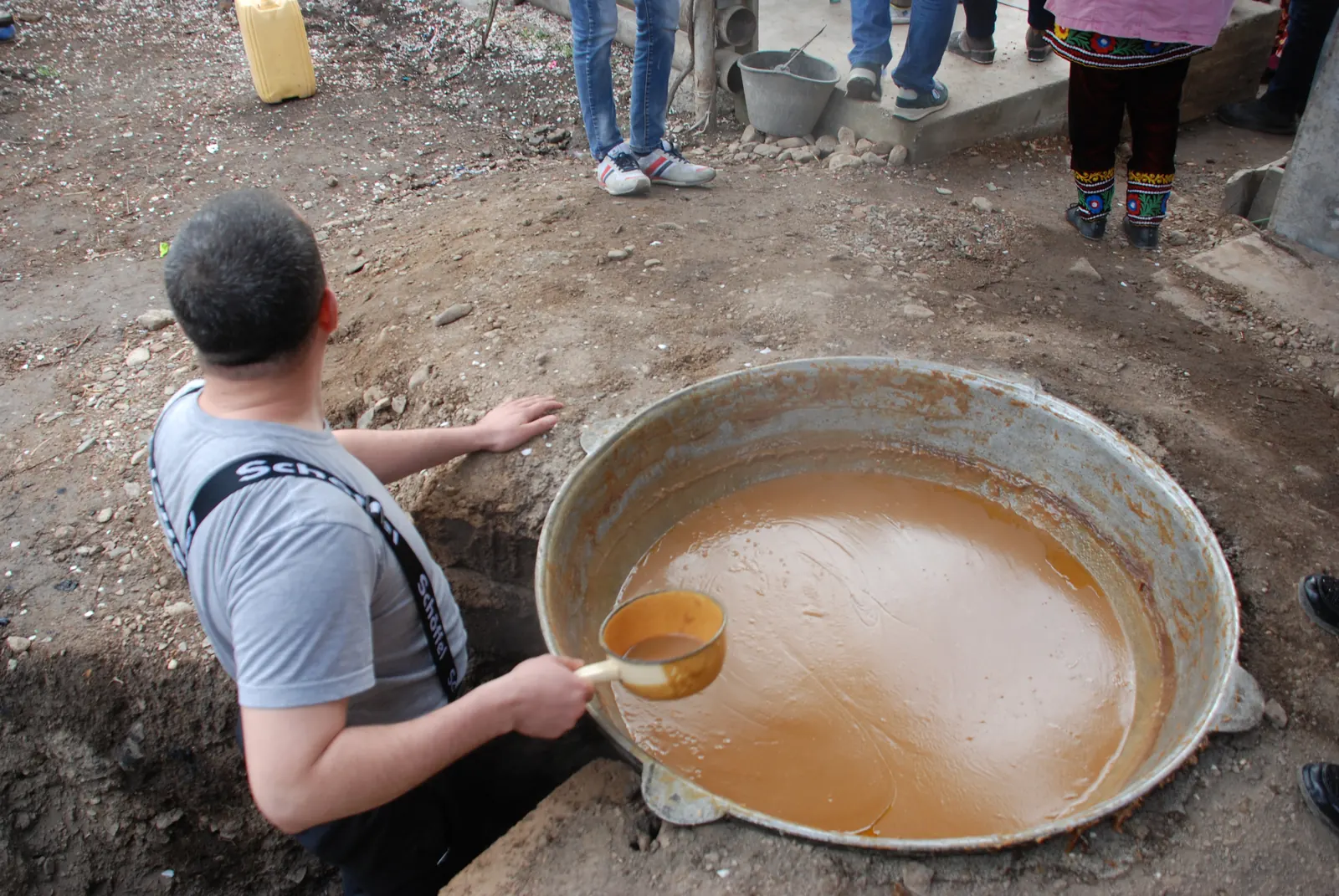 3/3. Cooked sumanak for Nowruz, Tajikistan Photo: Ilhoms, Wikimedia Commons, CC BY-SA 4.0; edited for this site.
 Where and how to try sümölök
The best window for a fresh batch is the night before Nooruz and 21 March. Communal cauldrons appear in courtyards, outside institutions and at public celebrations. In Bishkek, the places and times change every year, so a current district programme is more useful than a permanent address.
If a household invites you to its cauldron, do not approach it as a paid tasting. Ask before photographing people, offer to help and wait for the hosts to share the finished food. Night-long cooking belongs to Kyrgyzstan's living culture, not to a staged folklore show.
At a market or fair, ask when the batch was cooked and what was added. Fresh sümölök smells of grain and warm caramel, without a sour or musty note. Start with a small bowl: it is dense and more filling than a drink or sauce. For a separate look at fermented grain, continue with maksym.
Safety and storage
The warm, damp conditions required for germination also suit bacteria. The FDA notes that bacteria can multiply inside sprouting seeds even when the work looks clean. At home, use food-grade wheat that has not been treated with agricultural chemicals, potable water, sanitised equipment and thorough drainage after every rinse.
Discard the entire batch if it develops a musty smell, slime, coloured growth or mould. Do not taste raw sprouts or the uncooked wheat mash. Hours of cooking reduce the microbiological risk in the finished dish but cannot rescue spoiled ingredients.
A large cauldron has its own hazards. Thick boiling paste spits and retains heat, while a long paddle can slip. Keep children away from the rim and fire, wear stable footwear and never leave the pot unattended.
The finished dish contains wheat and gluten. Nuts, dried fruit and sugar vary by household. Divide leftovers promptly between clean, shallow containers, chill them and use them within three to four days.
The recipe below is a smaller version without stones, nuts or sugar. It scales a published regional home formula down to 250 g of grain. It is designed to be repeatable in a kitchen, not to replace the communal overnight cauldron.
Sugar-free sümölök for a home kitchen
Photo: Shams948, Wikimedia Commons, CC BY-SA 4.0; edited for this site.
A smaller batch based on 250 g wheat, three extractions and a long simmer in a heavy pan. It needs neither stones nor an open fire.
Cuisine: Kyrgyzstan and Central Asia. Category: Festive grain dish. Preparation: . Cooking: . Total time: .
Ingredients:
- 250 g whole food-grade wheat suitable for sprouting
- 250 g plain wheat flour
- 900 ml potable water, plus water for soaking and rinsing
- 45 ml neutral vegetable oil
Method:
Step 1. Sort the wheat and remove damaged grains and debris. Rinse thoroughly, cover with plenty of cool potable water and soak for 12 hours.
Step 2. Drain and spread the wheat 1-1.5 cm deep on a clean tray. Cover with a clean damp cloth. Keep it out of direct sunlight, rinse twice daily with potable water and drain completely each time.
Step 3. Germinate for 4-5 days until short white roots emerge. Discard the whole batch immediately if it smells musty or develops slime or mould. Rinse once more and drain well.
Step 4. Grind the sprouted wheat in a food processor or mincer with 250 ml water. Squeeze it through two layers of clean cheesecloth. Return the pulp and repeat twice, using another 250 ml water each time. Keep the three liquids separate.
Step 5. In a large cold heavy-based pan, whisk the flour with the first wheat liquid until completely smooth. Add the other two liquids, the oil and 100 ml of the reserved water.
Step 6. Set the pan over low heat and stir continuously until the mixture reaches an even boil. Do not lean over it because thick bubbles can spit.
Step 7. Cook at the gentlest simmer for 8-10 hours. Scrape the base and corners regularly. If it thickens too early, add the remaining 50 ml water a little at a time.
Step 8. The sümölök is ready when smooth, thick and dark brown, with no raw-flour taste. Remove from the heat, cover and rest for 30 minutes.
Step 9. Spoon into small bowls to serve. Do not leave leftovers in a warm deep pan for hours: divide them between shallow containers, cool and refrigerate.
Frequently asked questions about sümölök
Is sugar added to sümölök?
The basic dish draws sweetness from sprouted wheat and can be cooked without sugar. Household recipes differ: some include sugar, raisins, dried apricots or nuts. Ask about the particular batch if the ingredients matter to you.
Is sümölök found only in Kyrgyzstan?
No. Related dishes are prepared for the spring festival across Central and Western Asia. Kyrgyzstan has its own spelling, recipes and communal practice around the cauldron.
Why do people put 41 stones in the cauldron?
This is one well-known Kyrgyz custom associated with wishes and communal cooking, but neither the number nor the practice is universal. Stones are unnecessary at home and an unsuitable one may crack or damage the pan.
When can I taste a fresh batch?
Most batches are cooked on the eve of Nooruz and shared on 21 March. Public schedules change each year, so check with the organisers, your accommodation or a local market.
Is sümölök gluten-free?
No. It contains whole wheat and wheat flour. Nuts and dried fruit depend on the recipe, so people with allergies should check the ingredients of the actual batch.
More dishes and drinks are collected in our food guide. For a sweet comparison, try zhent and chak-chak, both made by entirely different methods.
Share on social media
If you found this guide useful, share it on social media. It takes a moment and helps more travellers discover the project. Thank you!
Anything to add?
Share your experience, leave a comment or suggest an improvement.