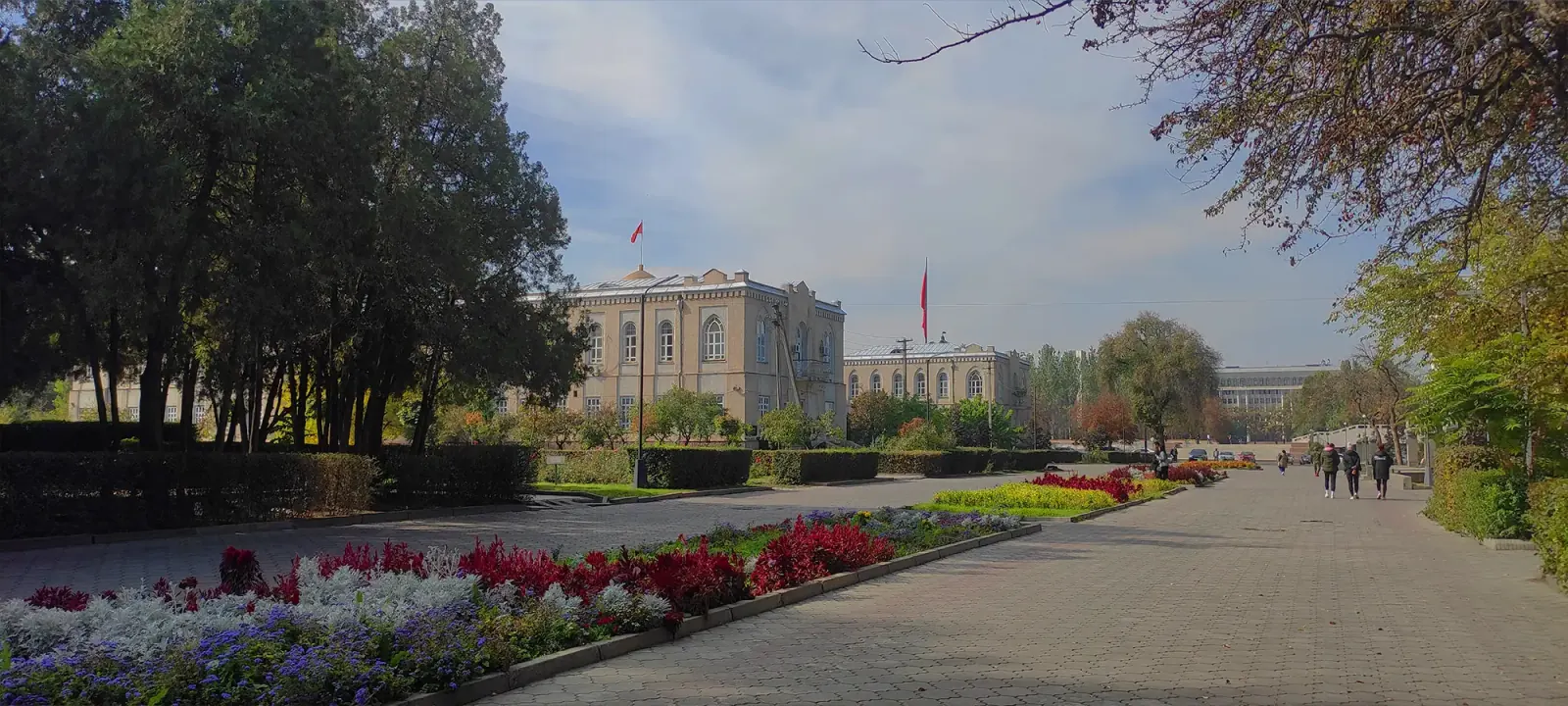
Bishkek, the capital of Kyrgyzstan
Bishkek is the capital and a practical base for the first days of a journey. Explore the centre on foot, but plan trips into the gorges separately because they require transport and enough time.
For a first walk, choose several neighbouring places instead of trying to cross the entire city in one day:
- Ala-Too Square and the National Historical Museum make a clear starting point for the city centre.
- Oak Park and the National Museum of Fine Arts fit naturally into the same walk.
- Erkindik Boulevard links the centre with the railway station and provides a quieter walking route.
- Osh Bazaar deserves a separate trip rather than a rushed addition to a museum-heavy day.
- The Opera and Ballet Theatre is worth adding when its programme suits your evening.
- The Central Mosque shows contemporary religious architecture. If you go inside, dress modestly and avoid disrupting prayers.
- The Manas monument, the Philharmonic and Kozhomkul Sports Palace form a separate route through the western side of the centre.
- Victory Park lies south of the main central museums, so using transport is more practical.
- Ala-Archa is a national park outside the city. Treat it as a separate trip, wear suitable footwear and check the weather before leaving.
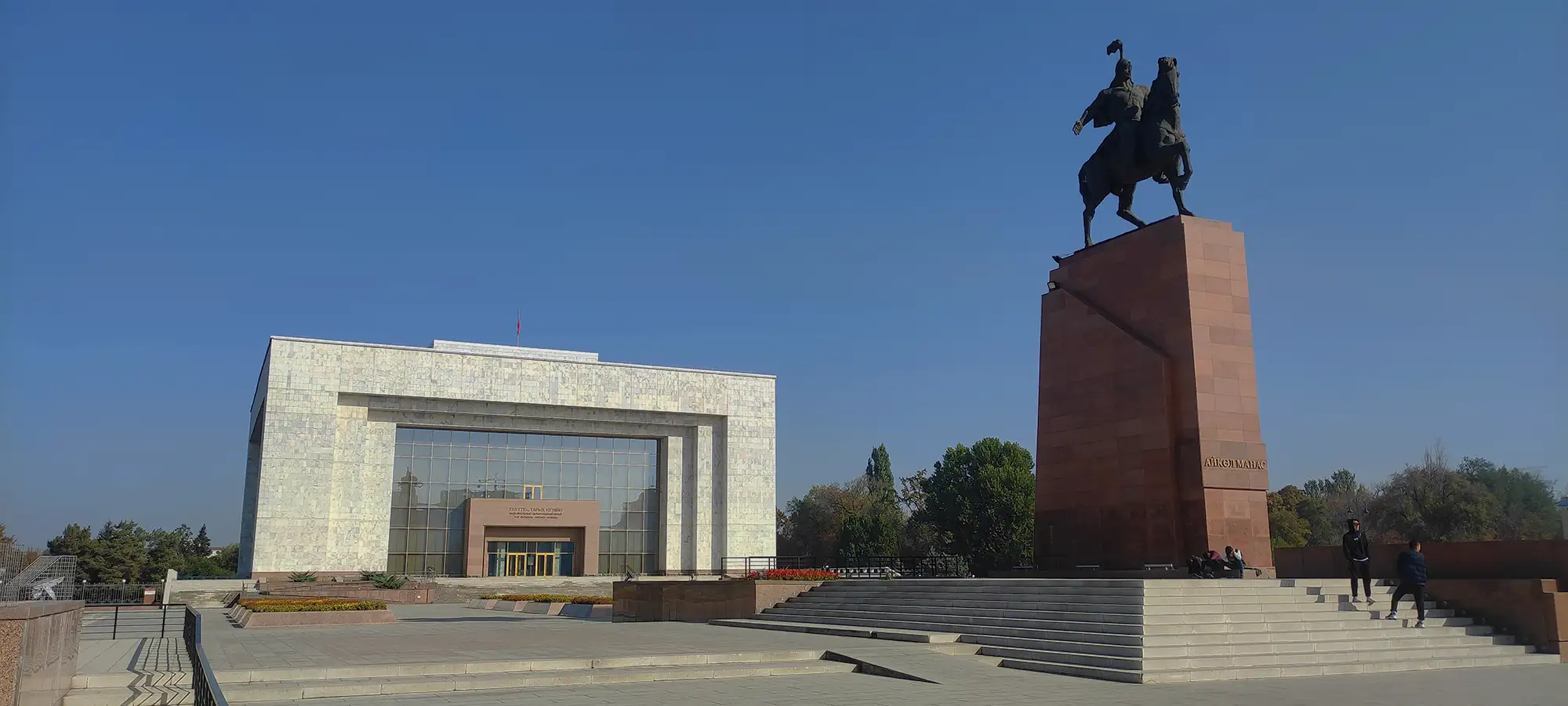 Ala-Too Square is a useful starting point for a walk towards Oak Park, the museums and Erkindik Boulevard.
When time is limited, plan one central route and one outlying destination. This keeps the day from turning into a sequence of journeys across the city.
Regional centres: from mountains to plains
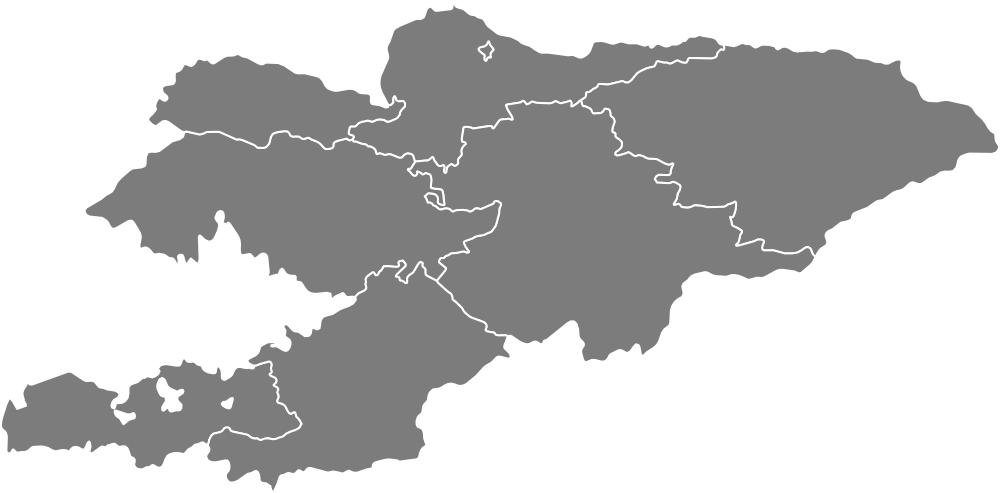
Kyrgyzstan has seven regions. For a traveller, a regional centre works primarily as a base where it is easier to stay overnight, restock, arrange transport and begin trips to nearby natural or historical places.
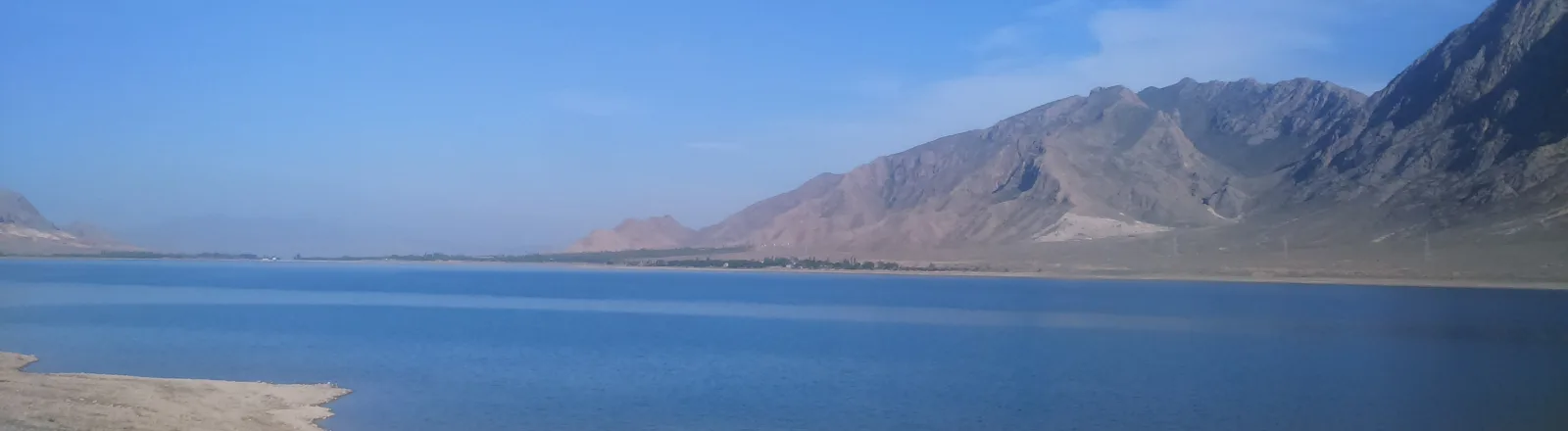
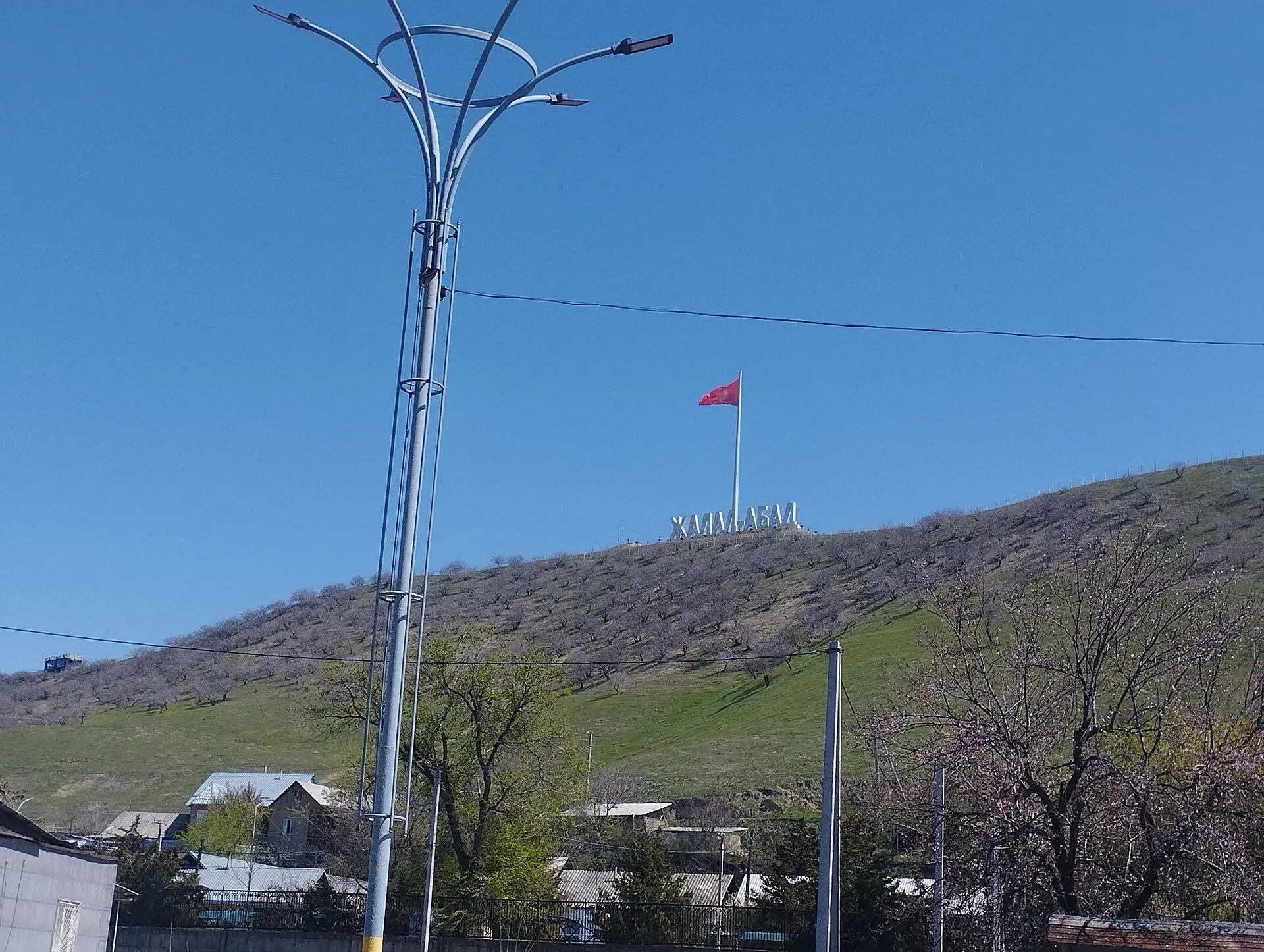
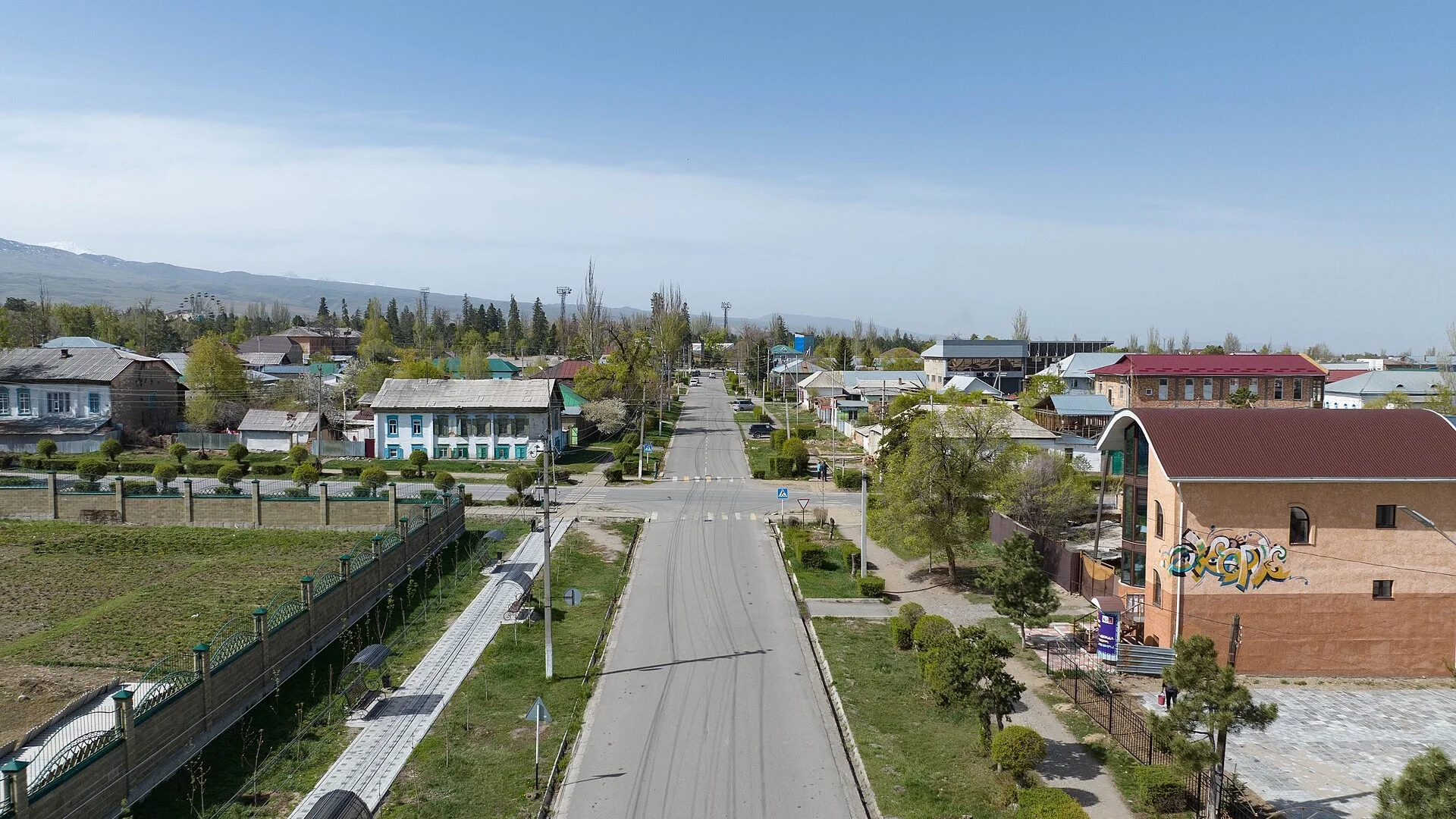
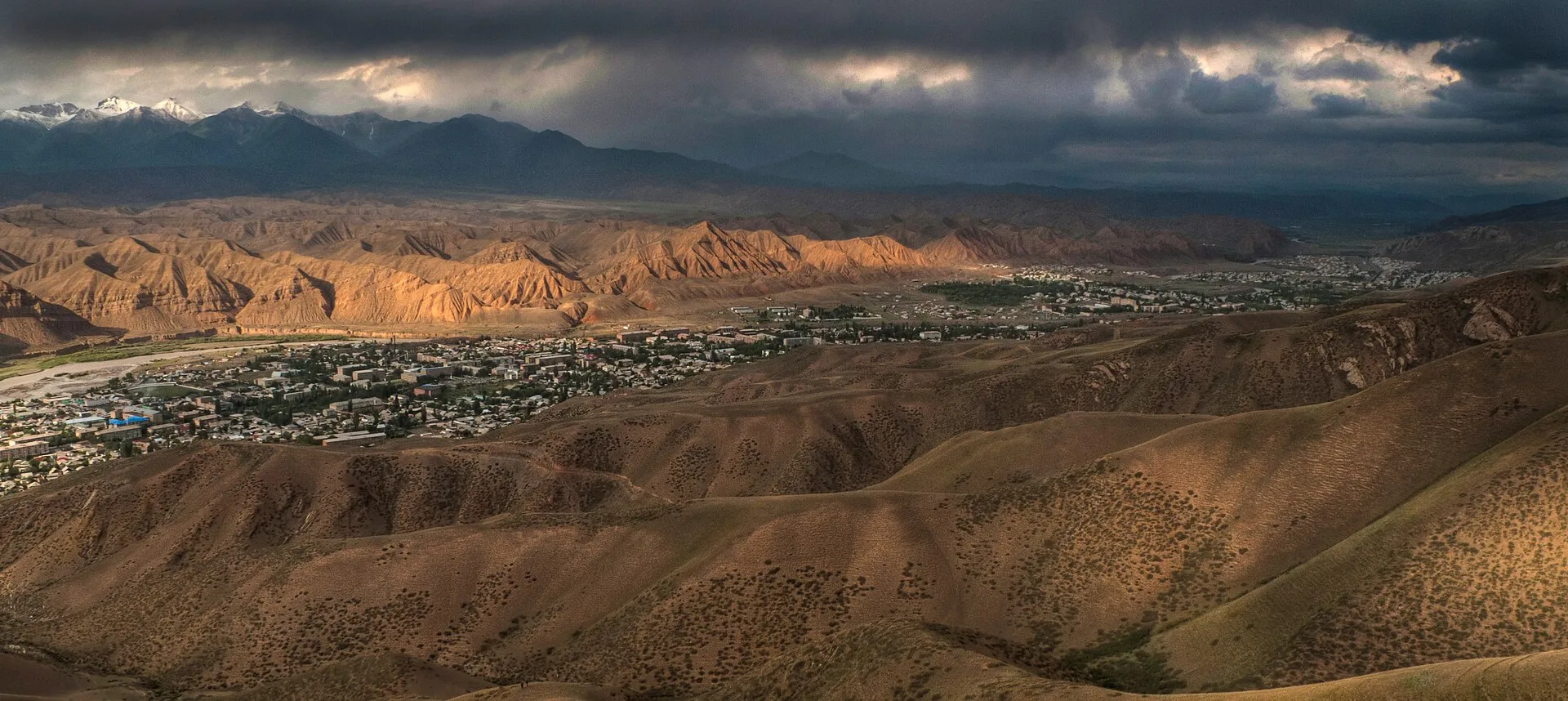
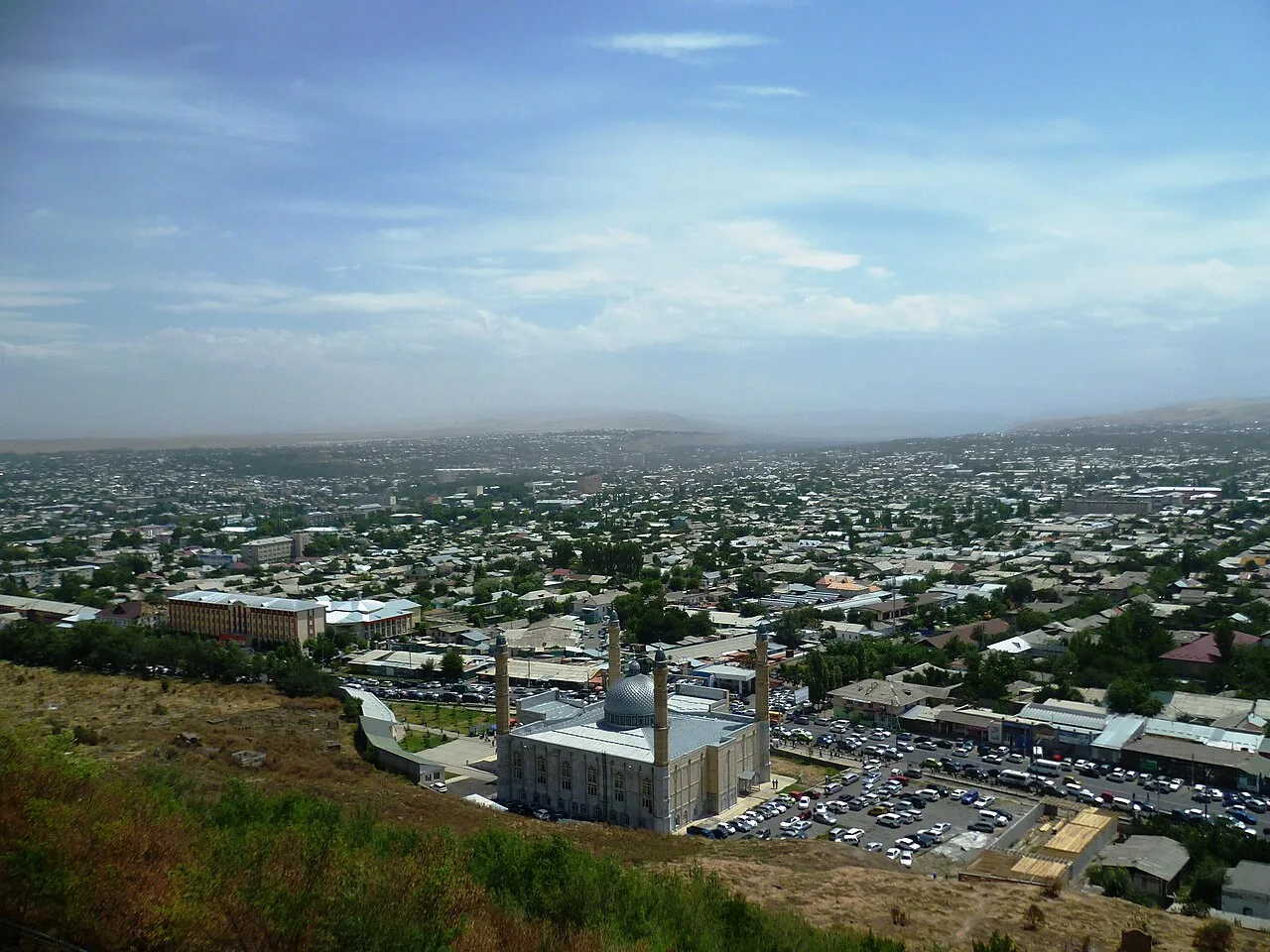
Cities worth adding to a journey
Tip. Add a smaller city when it solves a specific travel need: a useful connection, an overnight stop or access to the place that brought you there.
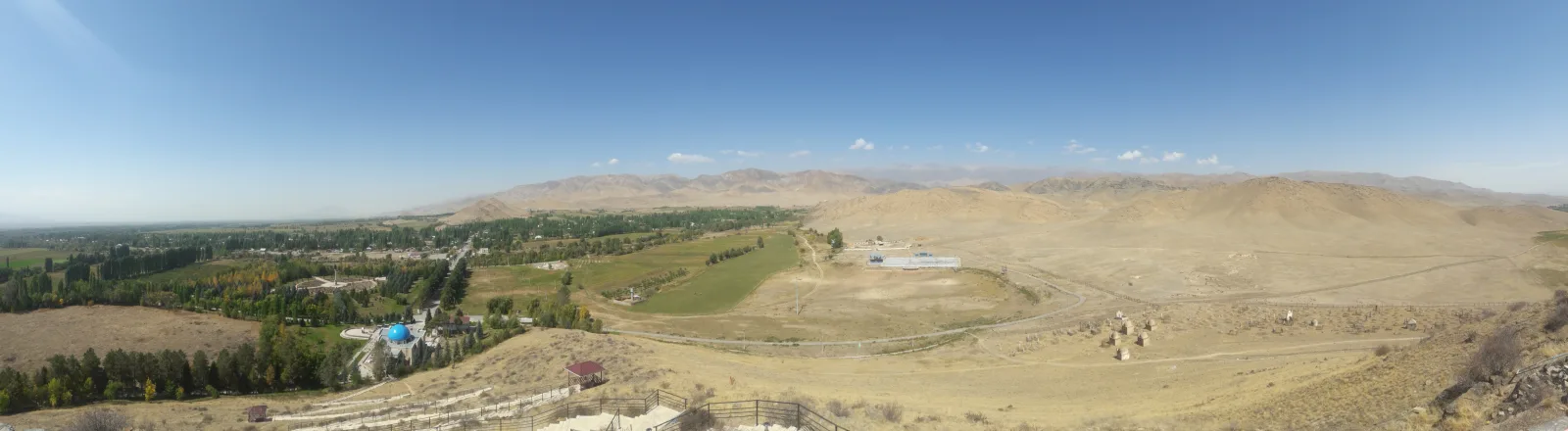
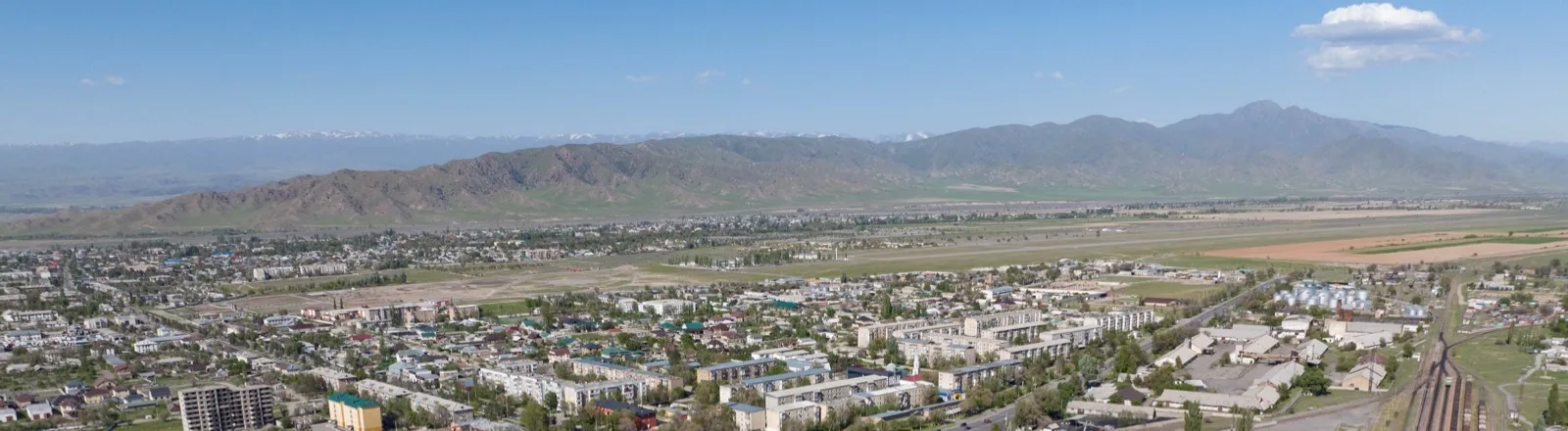
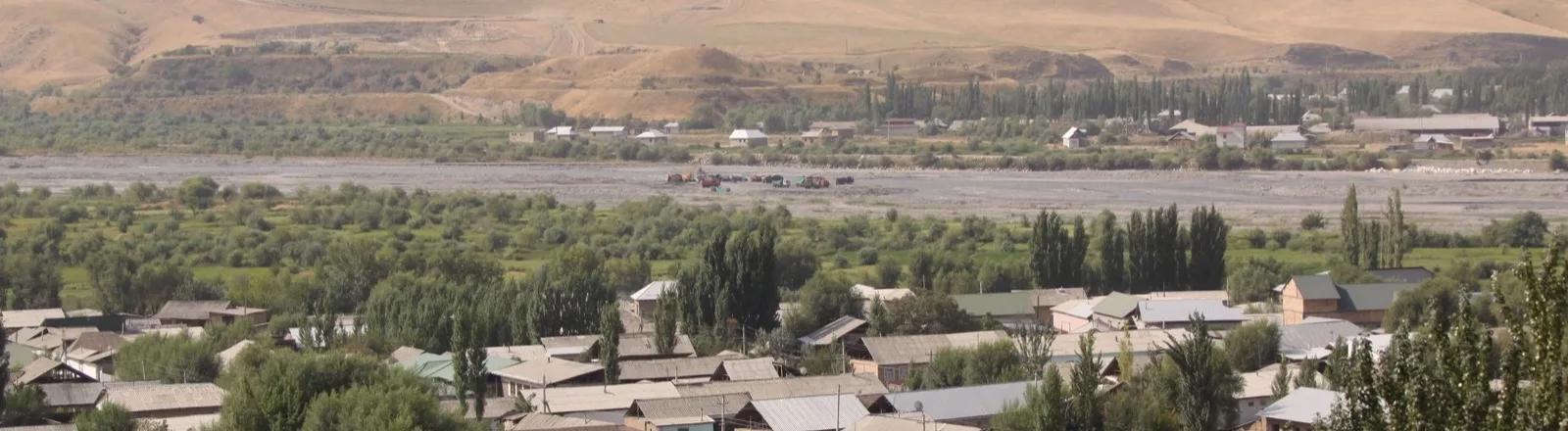
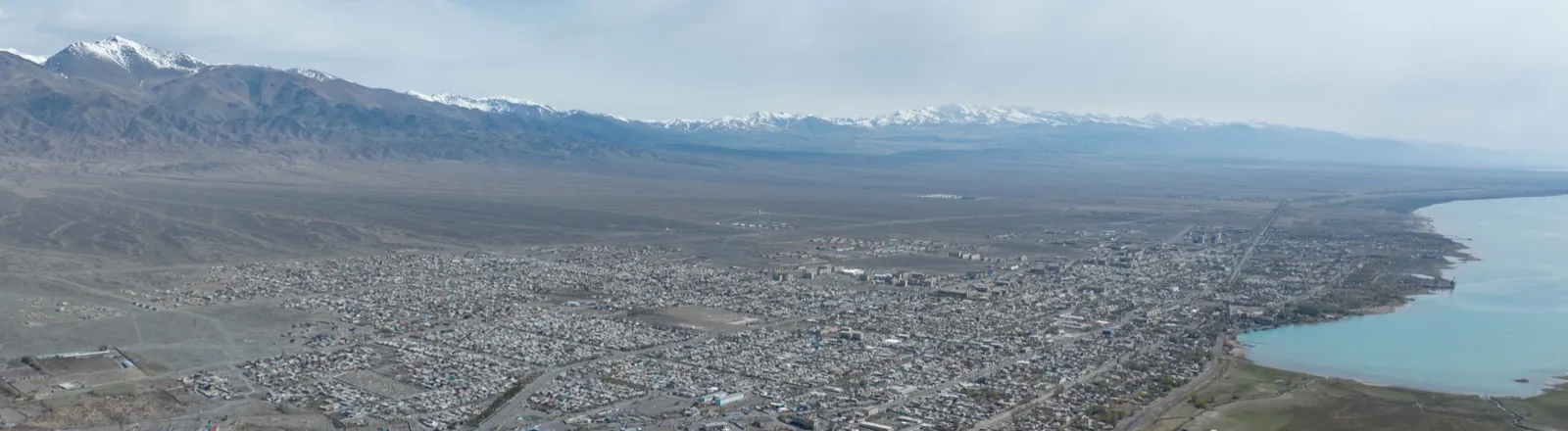
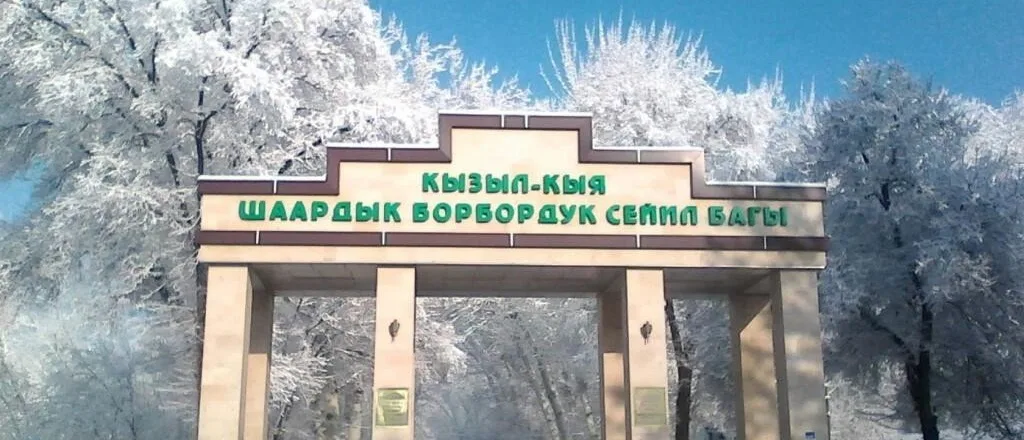
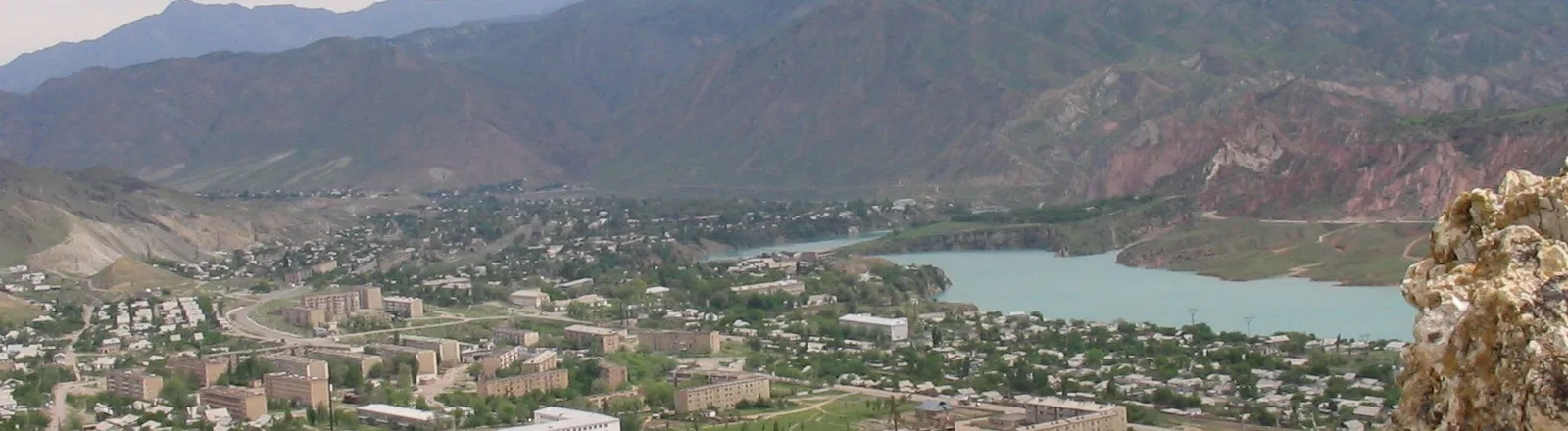
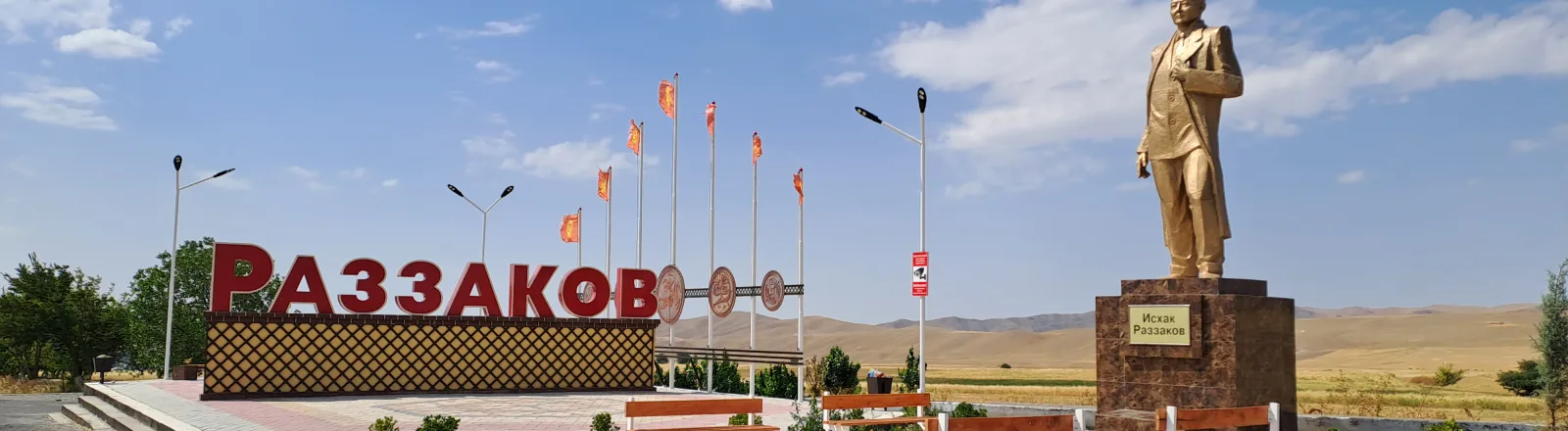
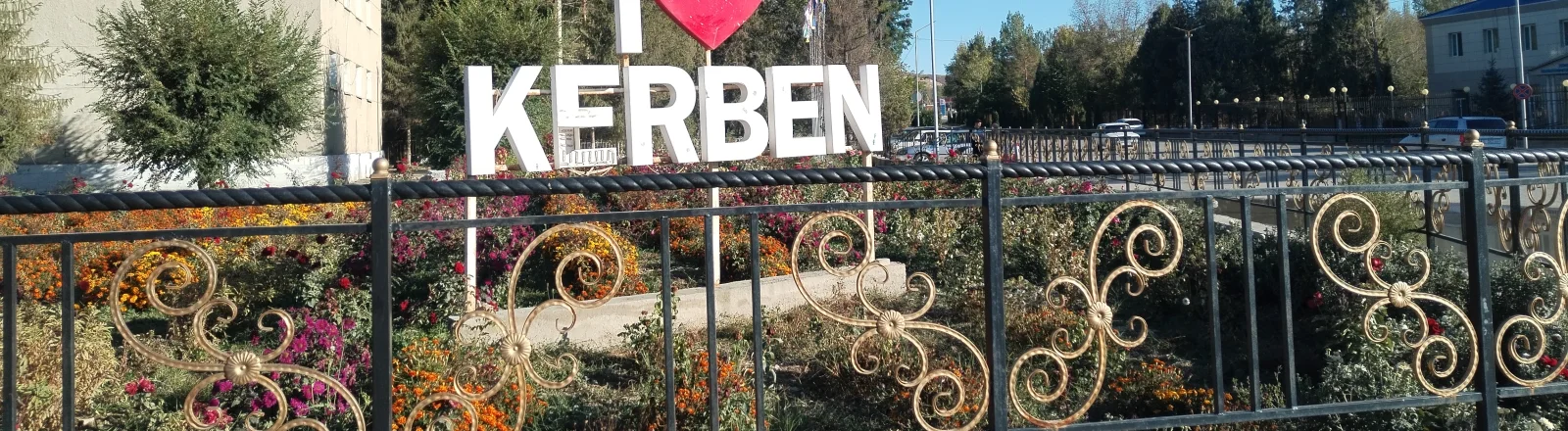
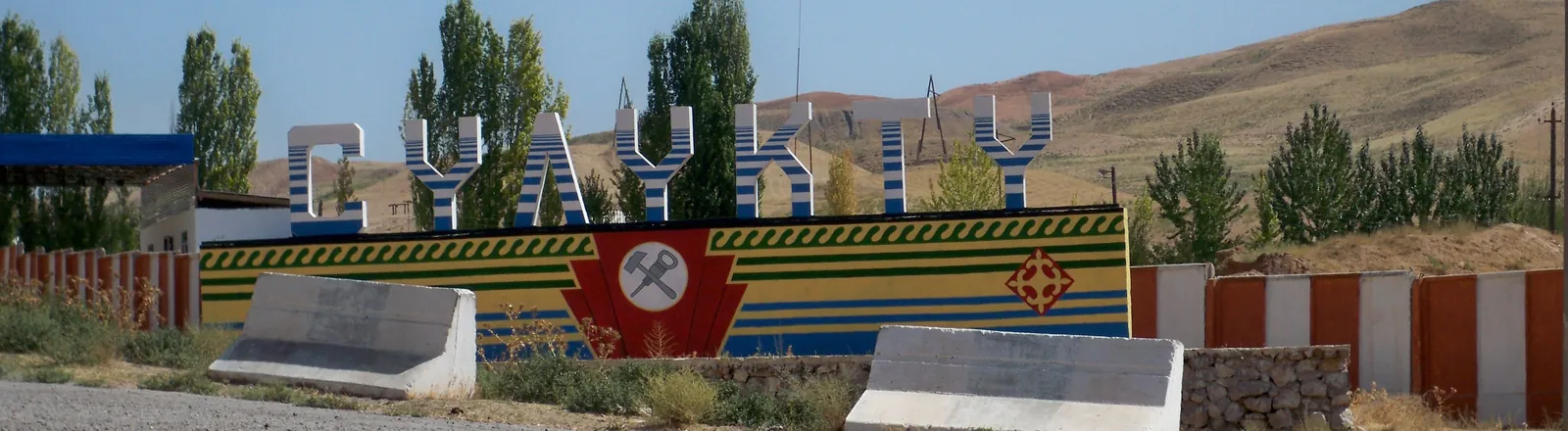
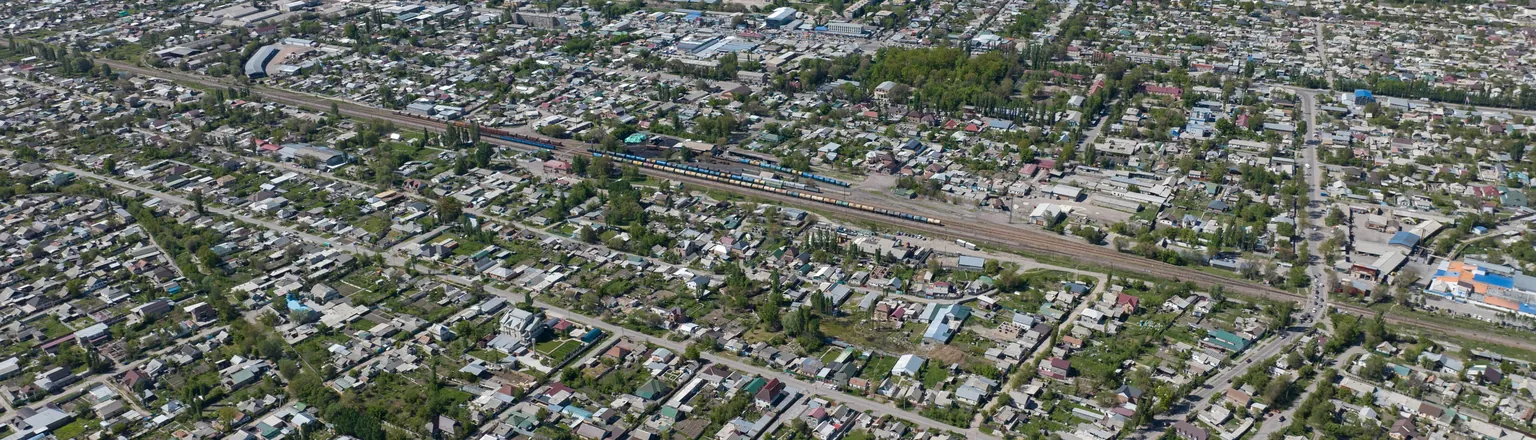
Smaller cities help connect a long itinerary without repeatedly returning to Bishkek or Osh. Choose them by the next stop: Tokmok for Burana, Balykchy for the road junction around Issyk-Kul, and Kerben for the journey to Sary-Chelek.
Frequently asked questions about cities in Kyrgyzstan
Choose a city by the next stage of the journey, not by its size. These answers help you select a base and avoid unnecessary backtracking.
Which city should I use as my first base in Kyrgyzstan?
Bishkek works well for the Chüy Valley and nearby gorges. Karakol suits eastern Issyk-Kul and mountain routes, Osh is the base for the south and the Alay Valley, and Naryn serves journeys into the central Tian Shan.
Which cities are useful on a trip around Issyk-Kul?
Balykchy is a transport junction between the north and south shores. Cholpon-Ata suits the northern shore, while Karakol works for the eastern end of the lake and trips into the mountains.
Can I travel between the cities without renting a car?
Major cities are connected by buses, minibuses and shared taxis. Routes and departure times change, so confirm the boarding point and last service the day before; remote gorges and lakes often require a separate transfer.
How can I plan a route without returning to Bishkek each time?
Build the journey around several bases and continue in a loop or one direction. For example, travel from Bishkek through Balykchy to Karakol, while using Osh as a separate base for a southern itinerary.
Why stay in a city before a mountain trip?
An overnight stay in the nearest city gives you time to check the weather and transport, buy water and food, and leave in the morning. Karakol serves eastern Issyk-Kul, Naryn the central Tian Shan and Osh the Alay.
Should I include smaller cities in a separate itinerary?
Yes, when a town connects with a particular sight or makes a useful stop. Tokmok complements a visit to Burana, Uzgen fits a southern itinerary, and Kerben helps with planning the road to Sary-Chelek.
Share on social media
If you found this guide useful, share it on social media. It takes a moment and helps more travellers discover the project. Thank you!
Anything to add?
Share your experience, leave a comment or suggest an improvement.