Contents:
Why stop in Sülüktü
Sülüktü lies at roughly 1,380 metres near Kyrgyzstan's western edge. It is a city of regional significance, built among dry hills around coal workings. Streets climb sharply, and low houses soon give way to bare slopes and a broad sky.
A stop makes sense if you are already travelling to Razzakov or through Leilek District. Half a day covers the centre and nearby viewpoints. A long detour from Osh is worthwhile only if western Kyrgyzstan's industrial history is one of your reasons for travelling.
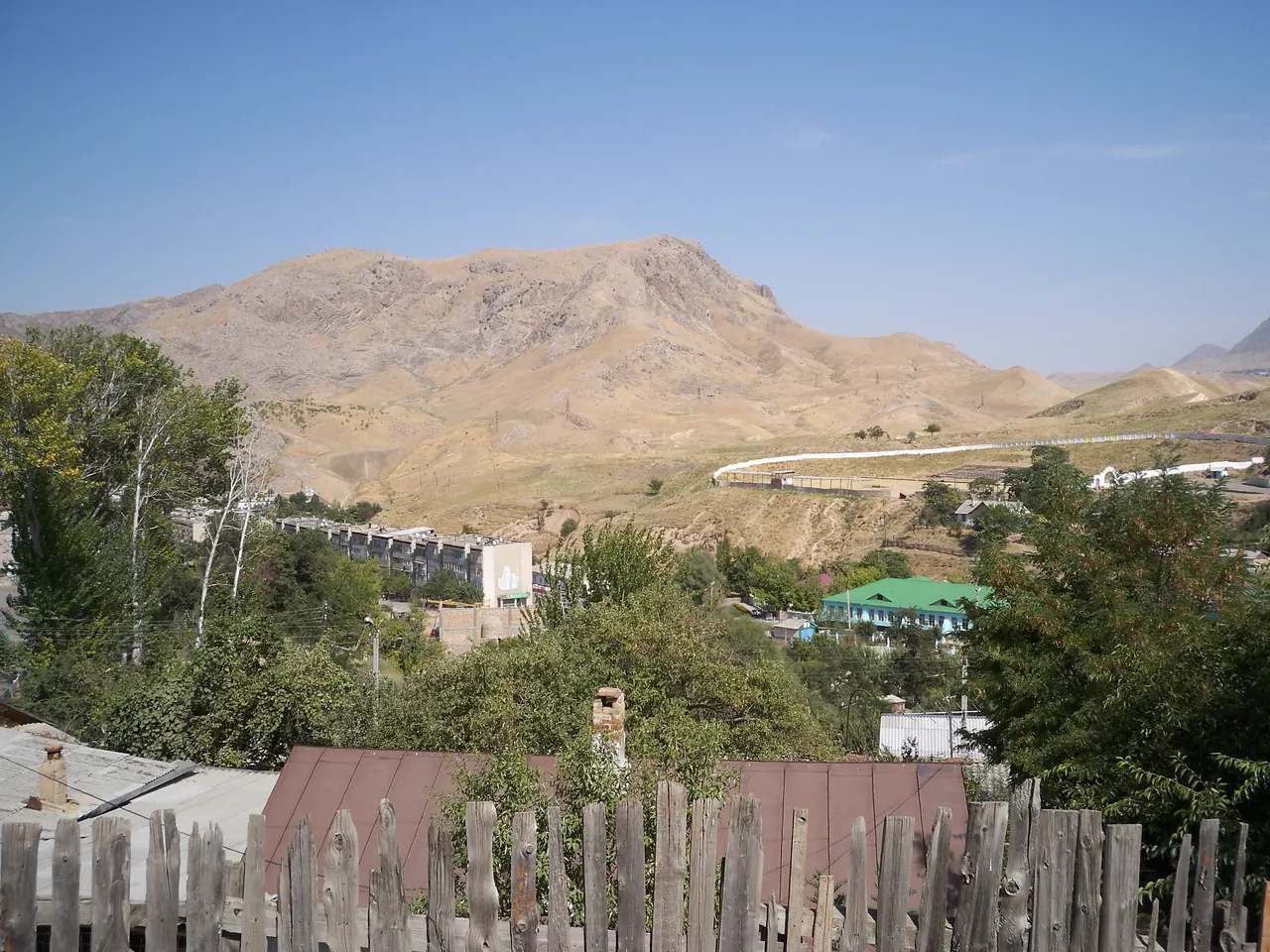 1/2. Sülüktü among dry hills, photographed in 2012 Photo: Nataev, Wikimedia Commons, CC BY-SA 3.0; edited for this site.
 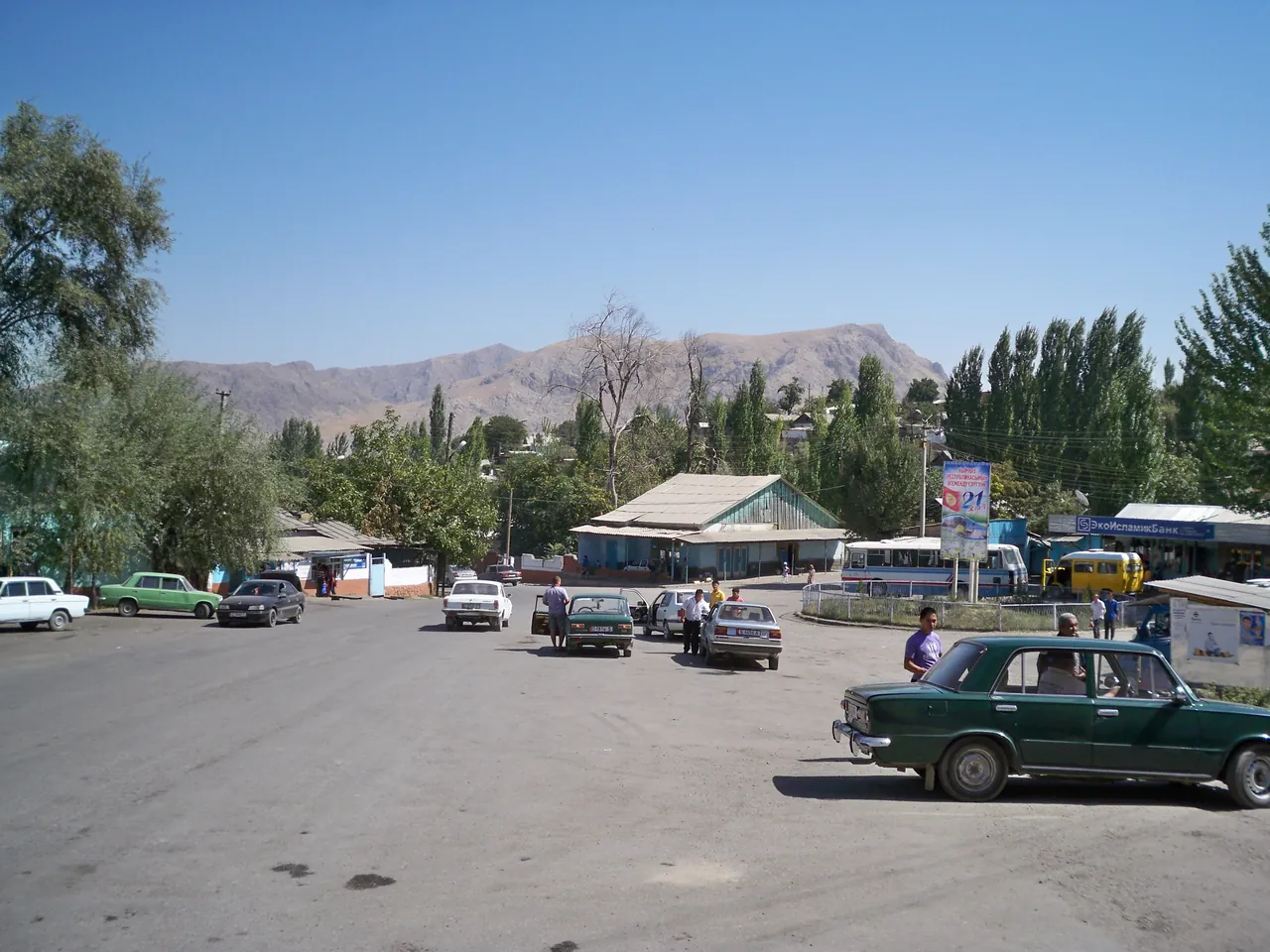 2/2. An everyday town street, photographed in 2012 Photo: Nataev, Wikimedia Commons, CC BY-SA 3.0; edited for this site.
 Two spellings. Sülüktü reflects the official Kyrgyz name, while Suluktu is common in web addresses and map searches.
How coal shaped the town
The first coal workings in the Kok-Kenesai area opened in 1868. The settlement grew with the mines, and Sülüktü formally became a town on 19 January 1940. Mining therefore explains more than one monument here: it shaped the street plan, place names and industrial outskirts.
Coal is still mined today. This is a working industrial area, not an open-air museum. View old structures, access tracks and spoil heaps only from public roads. Any visit to an operating site needs the owner's permission; entering a shaft or quarry on your own is unsafe.
What to see
The Sülüktü sign. The landmark at the western edge of town pairs its name with mining symbols. It provides a useful introduction: the dry hills behind it show the landscape in which the industrial settlement developed.
Central streets. There is no single must-see attraction. The character of the walk comes from low buildings, shops, older public architecture and steep changes in level. Allow more time than the distance on the map suggests.
The House of Culture and town views. The House of Culture recalls Sülüktü's Soviet period. For a panorama, choose an open point on a public street and avoid tracks that lead towards mine workings.
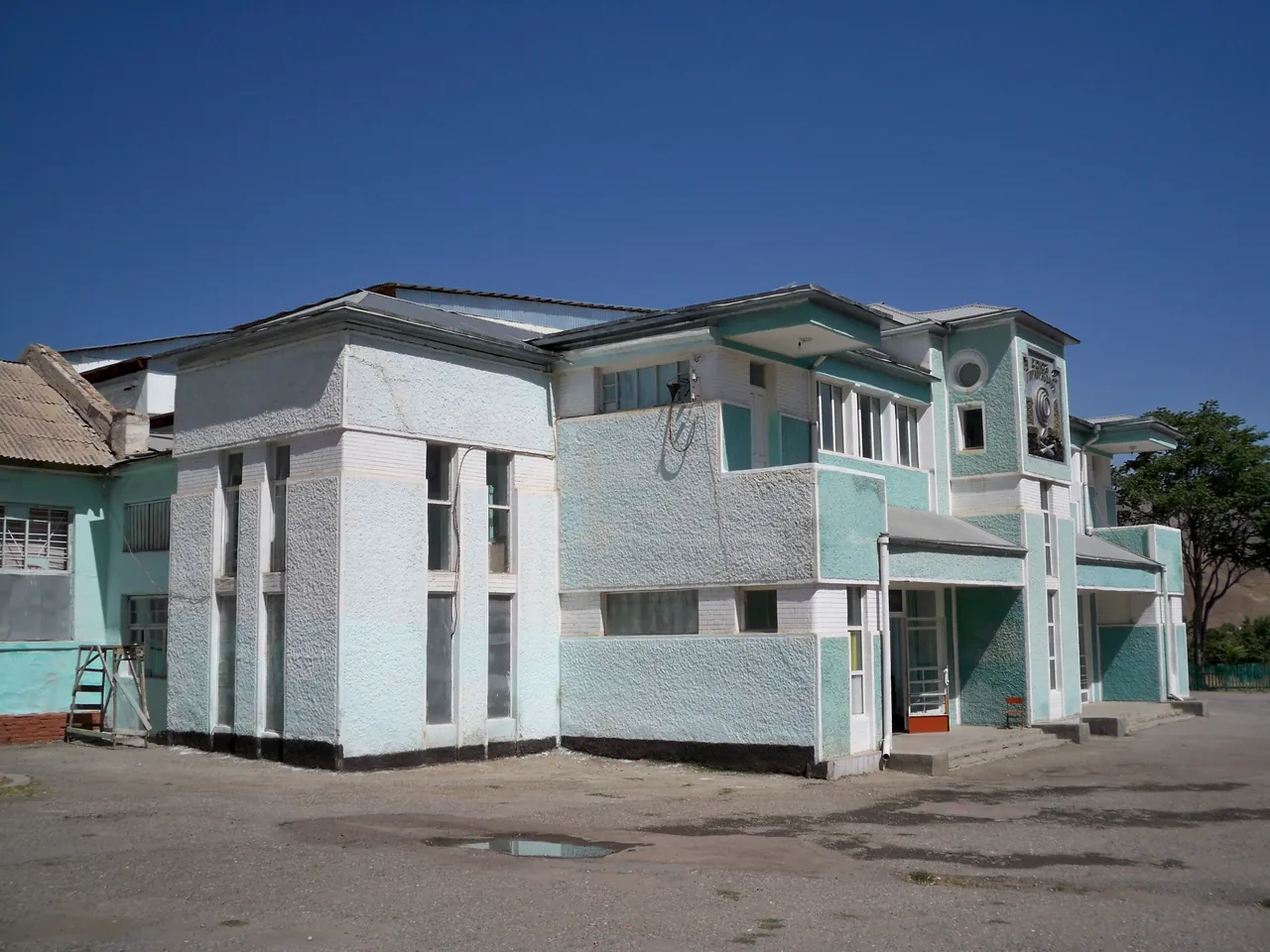 1/2. House of Culture, photographed in 2012 Photo: Nataev, Wikimedia Commons, CC BY-SA 3.0; edited for this site.
 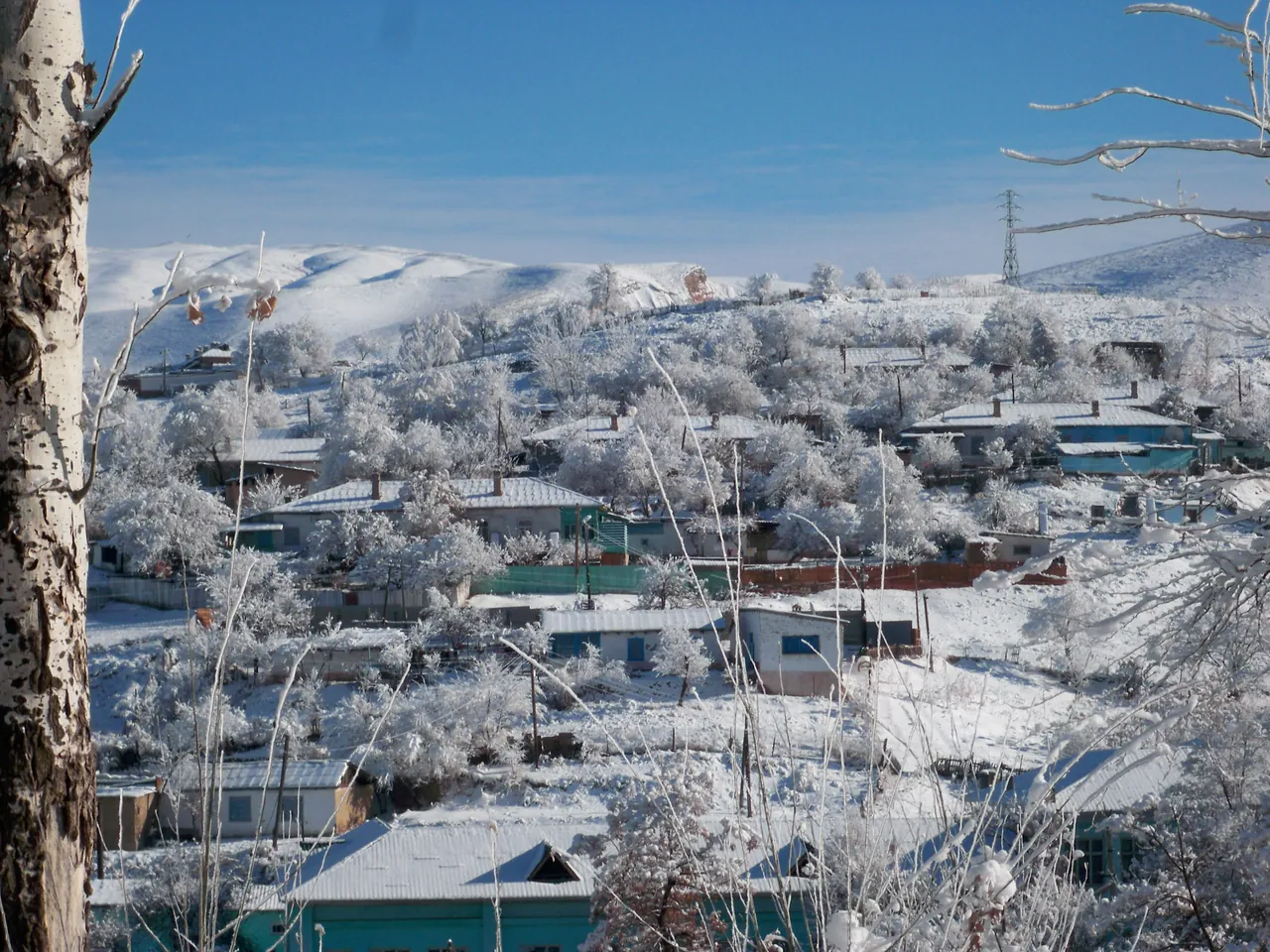 2/2. Winter in Sülüktü, photographed in 2012 Photo: Nataev, Wikimedia Commons, CC BY-SA 3.0; edited for this site.
 A half-day or full-day plan
Half a day. Start in the centre, walk a few blocks towards the House of Culture, then take a car to the town sign and an agreed safe viewpoint. This plan reveals the terrain and mining identity without entering industrial land.
One day. Add an unhurried walk through residential streets and lunch in town. Keep the second half of the day for the return to Razzakov or a pre-arranged outing with a local driver. Unmarked mine entrances, abandoned buildings and border tracks should not become improvised sights.
If Kyrgyzstan's coal-mining history interests you, compare Sülüktü with Kyzyl-Kiya and Tash-Kumyr. The same industry reads differently in each landscape.
Getting there
The practical connection runs through Razzakov. Minibuses and shared taxis cover the short local leg, but confirm the departure point and time on the morning you travel. Our transport guide to Kyrgyzstan explains how shared departures and payment usually work.
For a longer journey, reach Osh, Batken or Razzakov first, then change to a local vehicle. The Razzakov municipality lists an operating airport and domestic service to Bishkek, but schedules can change. Treat the flight as confirmed only once you hold a ticket for your date.
Older regional directions may suggest a route through neighbouring Tajikistan. For an ordinary domestic journey, choose a road that remains inside Kyrgyzstan unless you have separately prepared for an international border crossing.
Borders, mines and safety
Sülüktü is close to an international border and active coal sites. Stay on official roads, carry your passport and ask before photographing checkpoints, mine equipment or workers. A navigation app cannot show the current status of every minor track.
In March 2025, Kyrgyzstan's Ministry of Emergency Situations warned of mudflow and landslide exposure on several streets in Sülüktü, including areas near working mines. After heavy rain, ask a local driver or your host about the exact road you intend to use.
Do not explore mines independently. Never enter a working, abandoned or unmarked shaft, approach the edge of a quarry or cross a barrier. Public streets and a safe viewpoint are enough for a city walk. See our traveller safety notes for broader guidance.
When to go and where to stay
In spring, the dry hills briefly turn greener, while strong rain can raise mudflow and landslide risk. In summer, walk in the morning or towards evening. Autumn often brings clearer views. In winter, snow defines the relief, but short daylight and reliable heating need extra attention.
For a single walk, staying in Razzakov and visiting Sülüktü with light luggage is convenient. An overnight stay in Sülüktü works better if transport leaves early or you are continuing through western Batken Region. Before booking, confirm the exact address, heating or air conditioning, hot water and whether the host can arrange a car.
Sülüktü suits travellers who value context. Its terrain, mines and everyday streets tell one coherent story, provided you respect working sites and border-area rules.
Share on social media
If you found this guide useful, share it on social media. It takes a moment and helps more travellers discover the project. Thank you!
Anything to add?
Share your experience, leave a comment or suggest an improvement.