Contents:
- How to divide the region
- Where to set up your bases
- Batken and the closed Aigul-Tash reserve
- Kadamjay and the east
- Leilek and the west
- Karavshin and remote valleys
- Borders and current access
- Transport, accommodation and food
- When to go
- Ready-made itineraries
- Pre-departure checklist
- Share and comment
How to divide a trip across Batken Region
Batken Region stretches along the Fergana Valley and rises towards the Turkestan Range. Its main road runs from Osh through Kyzyl-Kiya, Kadamjay and Batken to Razzakov. Side roads lead towards mountain villages, natural sites and the state border, so a place that looks close on a map can still require its own day.
Choose one of three sections for a first trip. The east covers Kyzyl-Kiya, Kadamjay and the branch to Aidarken. The centre uses Batken for Tort-Kul and accessible outings outside the closed Aigul-Tash reserve. Western Leilek needs a base in Razzakov and separate time for Sulyukta or Madygen. Treat Karavshin and other remote valleys as a distinct expedition with a local organiser.
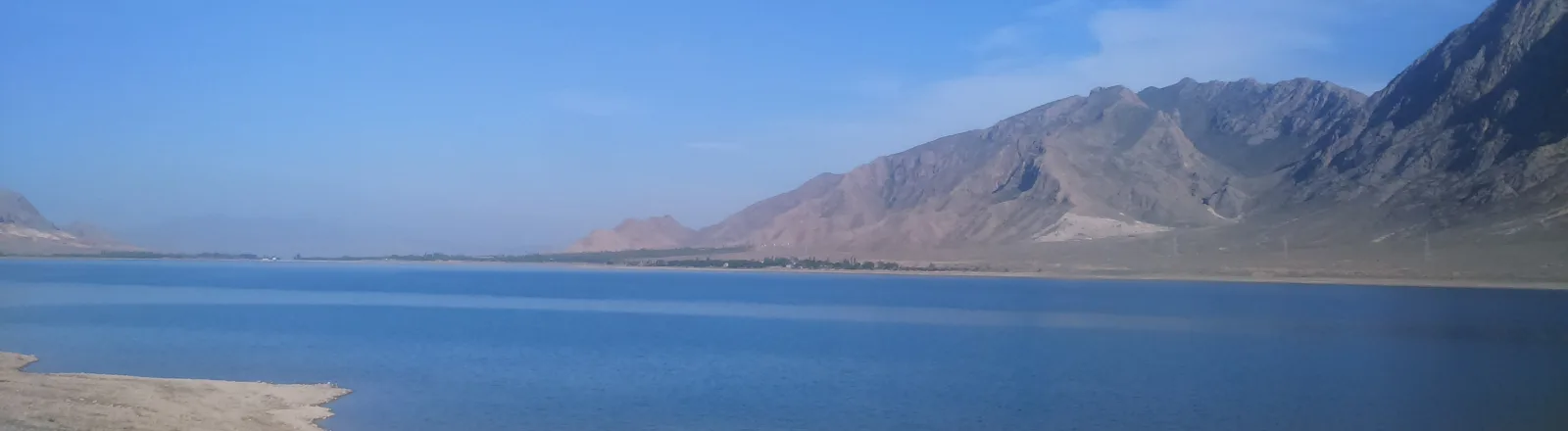 1/3. Tort-Kul near Batken Photo: Nataev, Wikimedia Commons, CC BY-SA 4.0; edited for this site.
 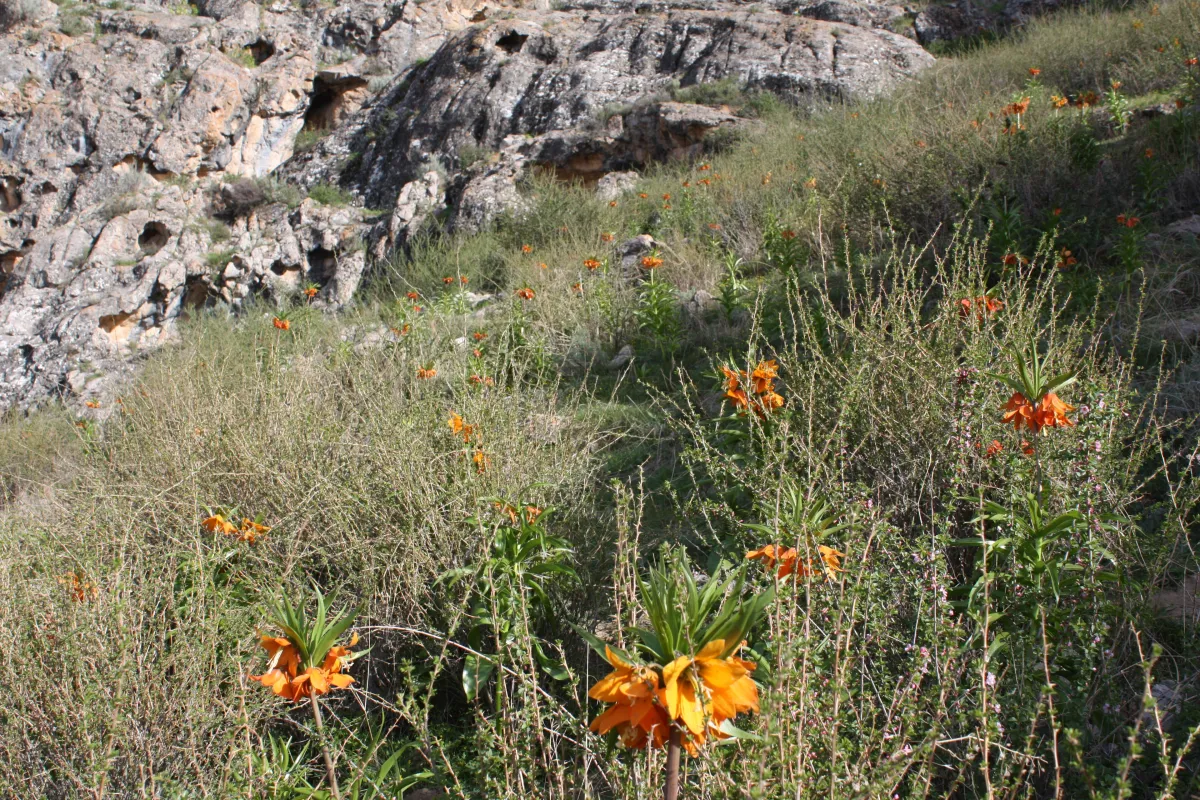 2/3. The short aigul flowering season Photo: Askarjumagulov, Wikimedia Commons, CC BY-SA 4.0; edited for this site.
 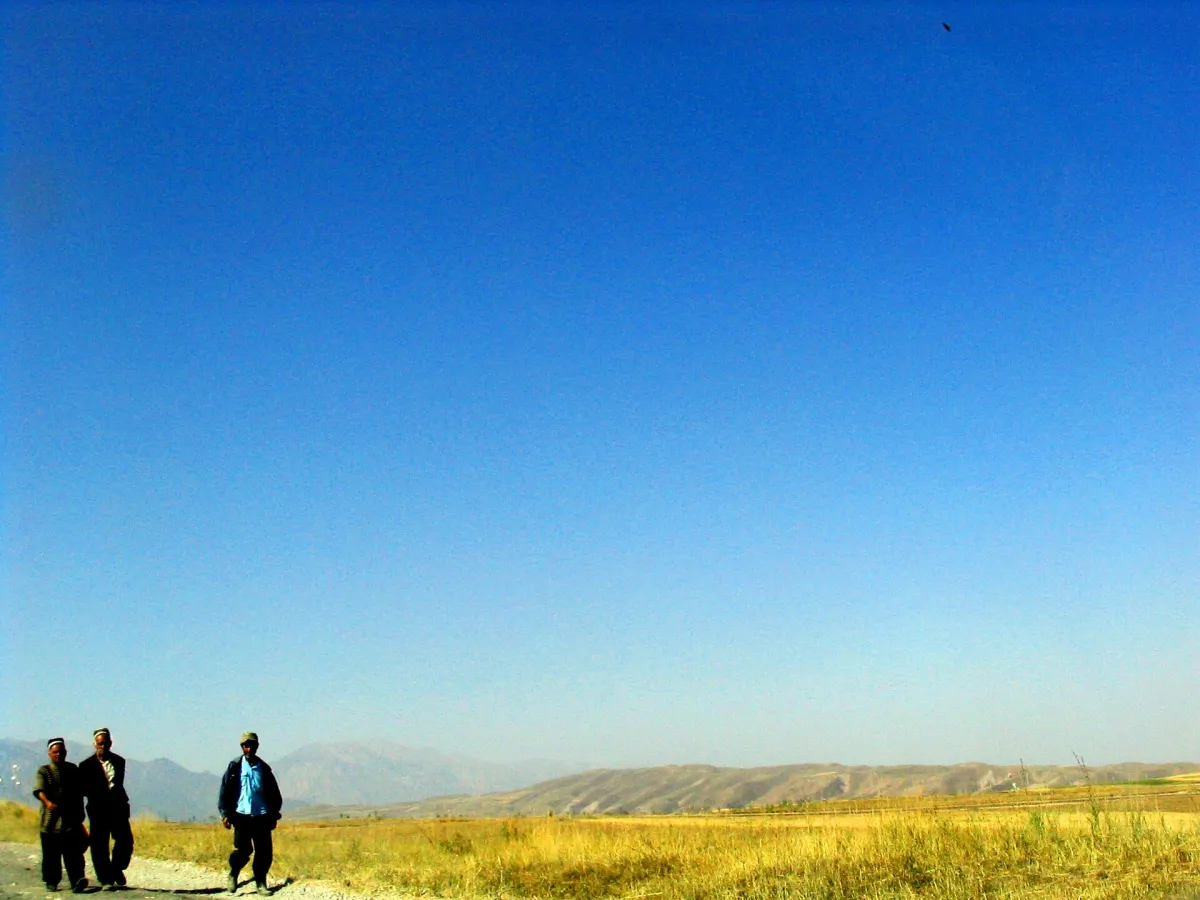 3/3. A road between the valleys Photo: Ben Paarmann, Wikimedia Commons, CC BY 2.0; edited for this site.
 The useful level of detail: a district name does not describe a route. Send your driver or host the exact village, accommodation and point where the unpaved section begins.
The Batken city guide covers the walk, market and nearby outings. Separate guides to Razzakov, Kyzyl-Kiya, Aidarken and Sulyukta help with individual stops. This page answers a different question: how to link those bases without night drives or improvised border detours.
Where to set up your bases
Kyzyl-Kiya or Kadamjay. These work for the first night after Osh and for eastern Batken. Kyzyl-Kiya is the more practical transport stop with urban services. Kadamjay is the better junction: continue on the main road or take the pre-arranged branch towards Aidarken.
Batken. This is the clearest base for a first visit. Hotels, cafes, cash machines, provisions and a local driver are easier to find here. Allow two days for the city and one nearby outing, but do not attempt to add Leilek and Karavshin to the same stay.
Razzakov. A practical base for the west and Leilek District. Staying overnight avoids a long return to Batken. Add neighbouring Sulyukta as a separate half-day if mining towns and everyday life in western Kyrgyzstan interest you.
A mountain base or camp. For Karavshin, Madygen and remote valleys, a city hotel booking does not replace transport to the trailhead, a guide, meals and a communication plan. Find a local organiser first, then buy non-refundable tickets and allocate days.
Batken and the closed Aigul-Tash reserve
Batken offers a useful quiet day between long drives. Check your route, withdraw cash, buy water and arrange a local car. Tort-Kul Reservoir and the dry foothills show the scale of the landscape, but agree on a public stopping point and permitted approach with the driver.
Aigul-Tash reserve is closed to visitors from 1 March 2026 until 1 March 2030. The restriction also applies during the brief spring flowering of the rare aigul. Old tour programmes and reviews do not provide permission to enter.
Do not look for an unofficial path or ask a driver to approach the protected slope. Learn about the regional symbol through displays and information in Batken. Choose Tort-Kul or another nature outing that local authorities confirm is open.
Kadamjay, Kyzyl-Kiya and eastern Batken
The eastern approach from Osh passes Kyzyl-Kiya and Kadamjay. It suits a slow road journey: stop in town for a market or lunch, then sleep closer to the next turn. Aidarken is not automatically on the through-road. Arrange both the branch journey and the return car.
Aidarken is interesting for its mountain relief and the history of the mercury deposit. It remains a working industrial town rather than an open-air museum. See the public streets and landscape, but do not enter industrial compounds, mine galleries or closed sites.
Roads in the east wind around borders and enclaves. A navigation app can suggest a nominally shorter line through another checkpoint or a restricted road. Show the driver the complete route on your screen before departure, not just the destination.
Leilek, Razzakov and western Batken
Give Leilek its own block with a night in Razzakov. Walk the market, museum and ordinary residential streets, then continue to Sulyukta or a pre-arranged natural site. Leave the long return to Batken for the following morning.
Sulyukta presents industrial history through steep streets, the House of Culture and dry hills. Madygen offers a different subject: coloured rocks, geological layers and traces of old mining. Go with a local guide who knows the usable approach and can distinguish a safe viewpoint from a hazardous excavation.
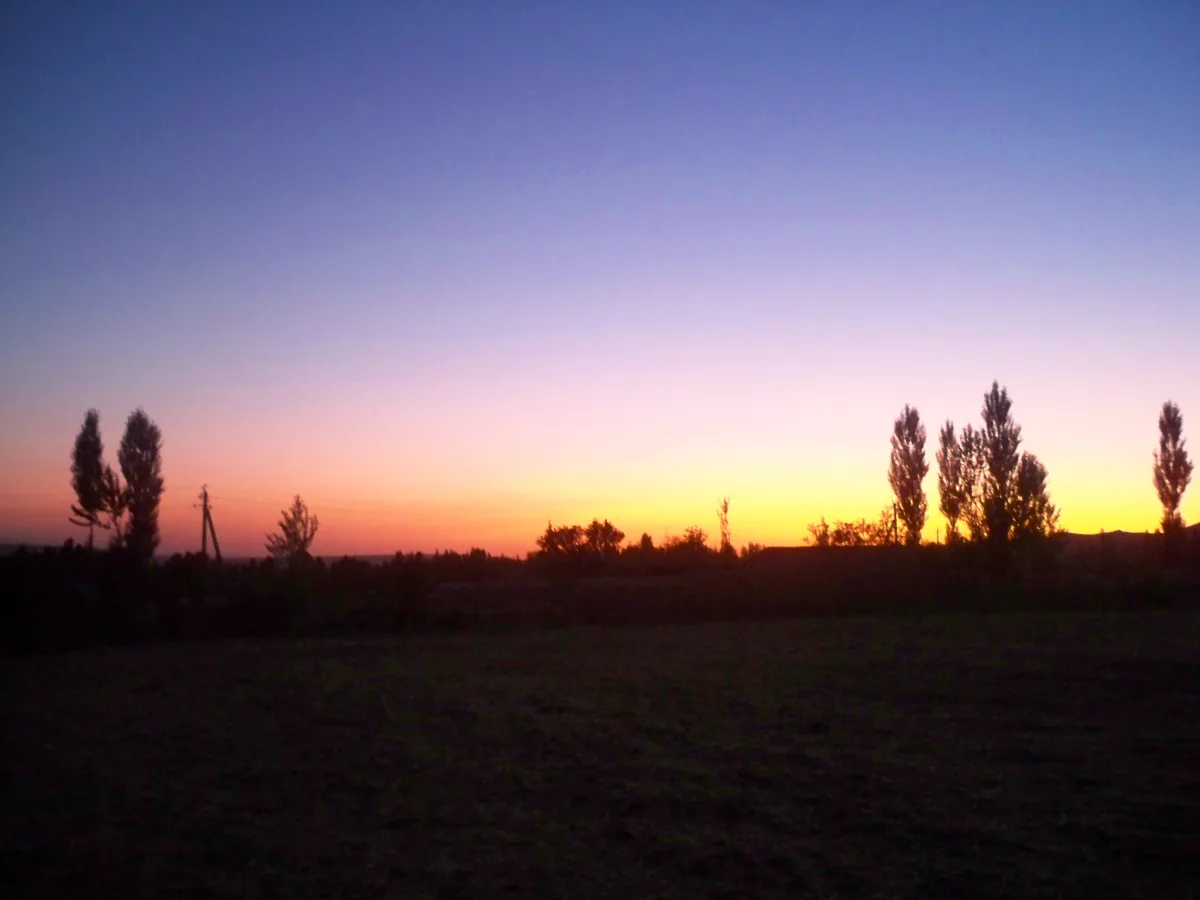 1/3. Morning in the Leilek valley Photo: Nataev, Wikimedia Commons, CC BY-SA 3.0; edited for this site.
 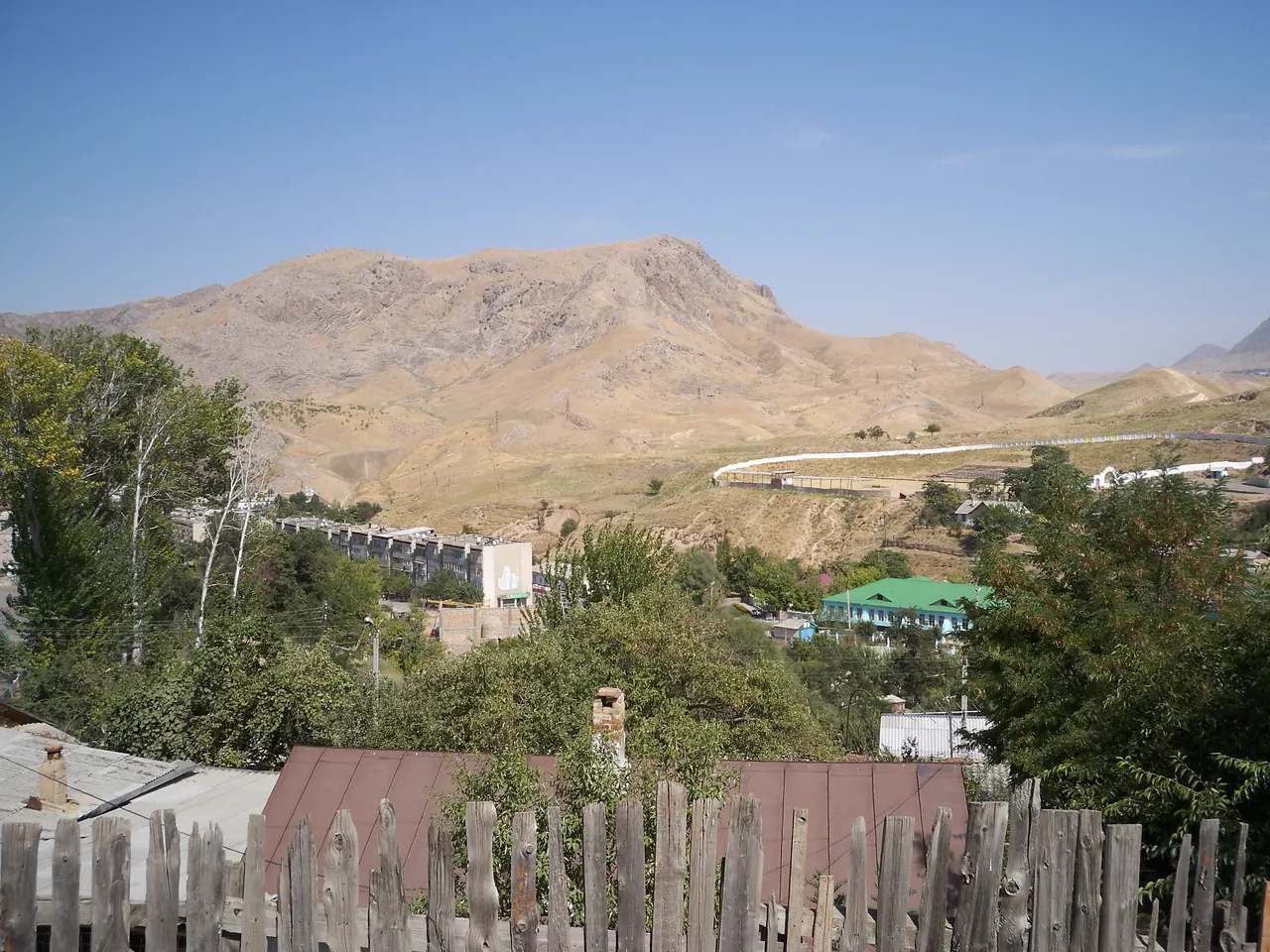 2/3. Sulyukta among the hills, 2012 Photo: Nataev, Wikimedia Commons, CC BY-SA 3.0; edited for this site.
 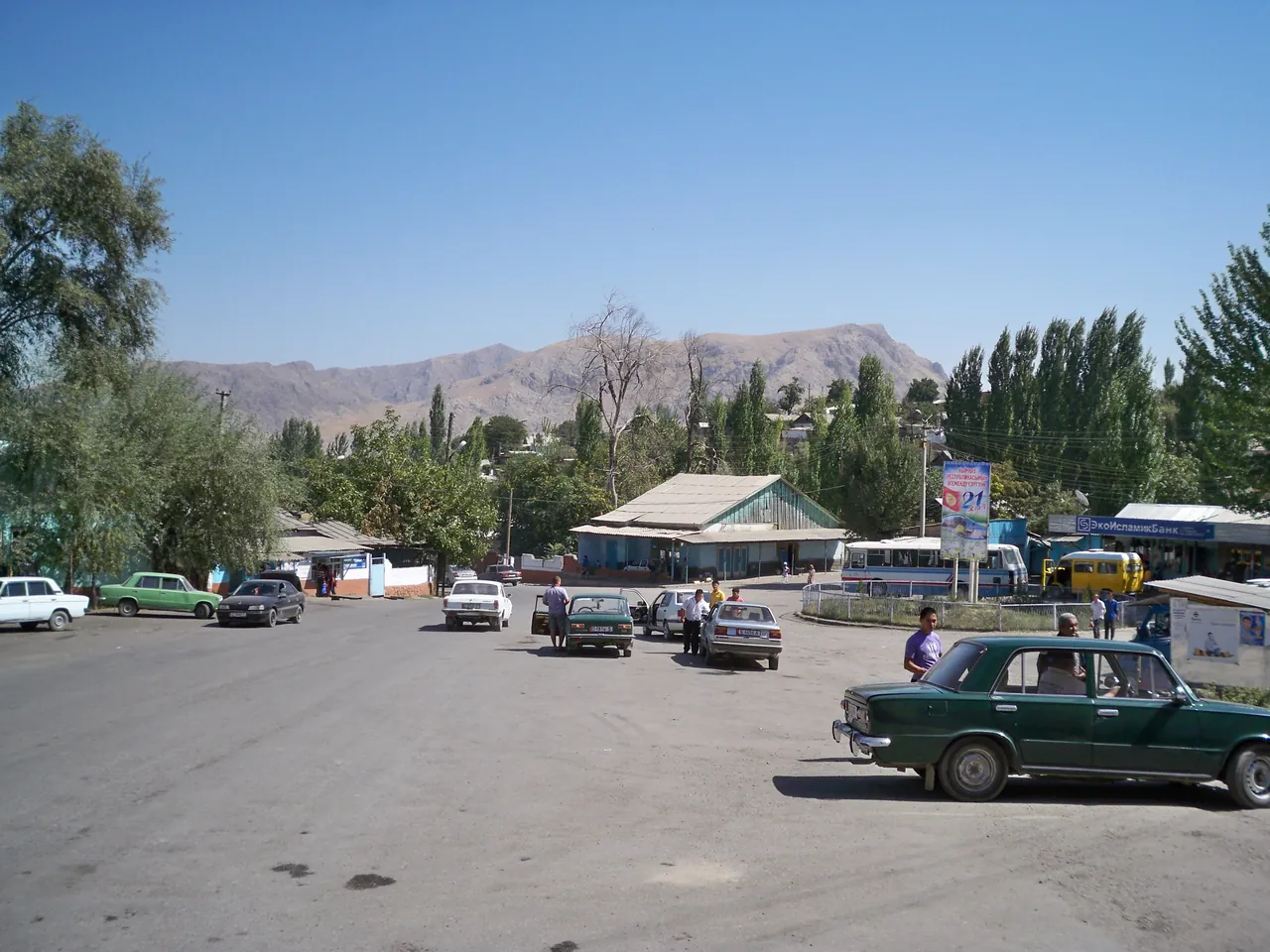 3/3. An everyday street in Sulyukta, 2012 Photo: Nataev, Wikimedia Commons, CC BY-SA 3.0; edited for this site.
 Do not treat Kan-i-Gut as a casual tourist cave. Old mine workings require a guide, helmet, lights and a clear definition of the accessible section. If those conditions are not confirmed, view the geological landscape from a safe open location.
Karavshin and remote valleys
Karavshin lies in the Turkestan Range and is known for its high rock walls. It is a self-contained climbing area for mountaineers and a multi-day trek for a properly prepared walker. It is not a day trip from Batken.
The journey needs a vehicle for the rough approach, confirmed access, a guide or climbing team, tents, food, water and weather margin. Mobile service may disappear in the valleys. Your organiser should state the drop-off point, walking days, possible river crossings, evacuation plan and border-zone documents.
Apply the same rule to Zardaly and other remote villages. A photograph of a road does not prove that it is open today or suitable for an ordinary saloon car. If the local side cannot confidently confirm access, choose a town and foothill itinerary without improvising.
Borders and current access
The Kyzyl-Bel and Kairagach checkpoints on the Kyrgyz-Tajik border resumed operations on 13 March 2025. That concerns official border crossings and does not cancel rules for border territories. Some valleys may require an entry permit, while the border strip can require a separate pass for both foreign nationals and Kyrgyz citizens.
Before a remote journey: send the organiser your itinerary and ask which permits apply to the exact location and your nationality. Check Border Service updates on the Digital Border portal, carry your original passport and use the official road. Do not photograph posts, barriers or infrastructure.
A border crossing is relevant only if you deliberately plan an international route and meet the neighbouring country's entry rules. For a domestic journey through Kyrgyzstan, do not accept an improvised transit through an enclave or another country merely to save a few kilometres.
Transport, accommodation and food
The main overland approach begins in Osh. Buses, minibuses and shared taxis serve Kyzyl-Kiya, Batken and Razzakov, but departure times and boarding points change. Check the direction in the official bus-station timetable, then confirm it at the ticket office on the day.
Regional airports can shorten the journey once you hold a ticket. Do not plan around the mere existence of an airport, because flight frequency changes. The Kyrgyzstan airports guide explains the practical booking sequence.
Kyzyl-Kiya, Batken and Razzakov offer the easiest access to hotels, cafes, pharmacies and cash machines. In villages, confirm dinner, breakfast, hot water, parking and the meeting point. Carry cash, water and a snack. Look for seasonal apricots and other fruit at markets; in cafes, choose freshly prepared plov, shorpo, manty or samsa without expecting a special "Batken menu".
Heavy rain and mudflows can temporarily close both the Osh - Batken - Razzakov road and side roads. After a storm, ask about every section leading to your base rather than the general "road to Batken". Leave in the morning and keep daylight for the final stretch.
When to go
Spring
The low valleys turn green, but the aigul bloom does not lift the reserve closure.
- Keep Aigul-Tash out of the itinerary until the restriction is officially lifted.
- After heavy rain, check mudflows, unpaved roads and side valleys.
Summer
The mountain season opens, but the valleys are hot and storms can alter roads quickly.
- Start town visits and driving days early.
- Enter Karavshin only with an expedition plan and weather margin.
Autumn
A comfortable period for towns, markets, dry valleys and Madygen.
- Mountain nights become cold earlier than the Fergana lowlands.
- Late in the season, reconfirm transport and guesthouse operation.
Winter
The main towns remain accessible, but short days and snow call for a simpler itinerary.
- Leave remote unpaved branches for another season.
- Carry warm emergency gear and check the mountain-road section that morning.
Ready-made itineraries
Batken and its surroundings
- Arrival, town visit and overnight stay in Batken.
- Tort-Kul or another confirmed open route.
- Keep Aigul-Tash out of the plan until the closure ends.
Eastern Batken
- Kyzyl-Kiya as the first stop.
- Kadamjay and a pre-arranged branch to Aidarken.
- Continue to Batken during daylight.
Leilek and the west
- A daylight transfer to Razzakov.
- The town and a separate half-day in Sulyukta.
- Madygen only with a local guide and confirmed road.
Karavshin
- Permits and organiser before buying tickets.
- Approach, self-contained camp and mountain programme.
- Spare days for the road, water levels and weather.
Pre-departure checklist
- Choose eastern Batken, Batken city, Leilek or one remote valley instead of trying to cover the whole region.
- Send the driver your exact accommodation and full route, including every border crossing suggested by the app.
- Confirm the permit for border territory and pass for the border strip for your destination and nationality.
- After rain, confirm every road section on the morning of departure.
- Carry your original passport, cash, water, an offline map and written telephone numbers for your host and driver.
- Arrange a local guide for Madygen, Karavshin, old mine workings and remote mountain villages.
- Leave a spare day before an international flight or fixed connection.
After Batken Region, returning to Osh Region is more sensible than extending a long drive into the night. Compare the other options in the guide to Kyrgyzstan's regions, and check communications, road planning, documents and border restrictions in the traveller's checklist.
Share on social media
If you found this guide useful, share it on social media. It takes a moment and helps more travellers discover the project. Thank you!
Anything to add?
Share your experience, leave a comment or suggest an improvement.