In 2025, official statistics counted 67 museums and about 212,000 exhibition objects in Kyrgyzstan. Bishkek, Issyk-Kul Region and Osh held the largest museum collections. These numbers show the scale but do not tell you what to visit; choosing by theme and route is more useful.
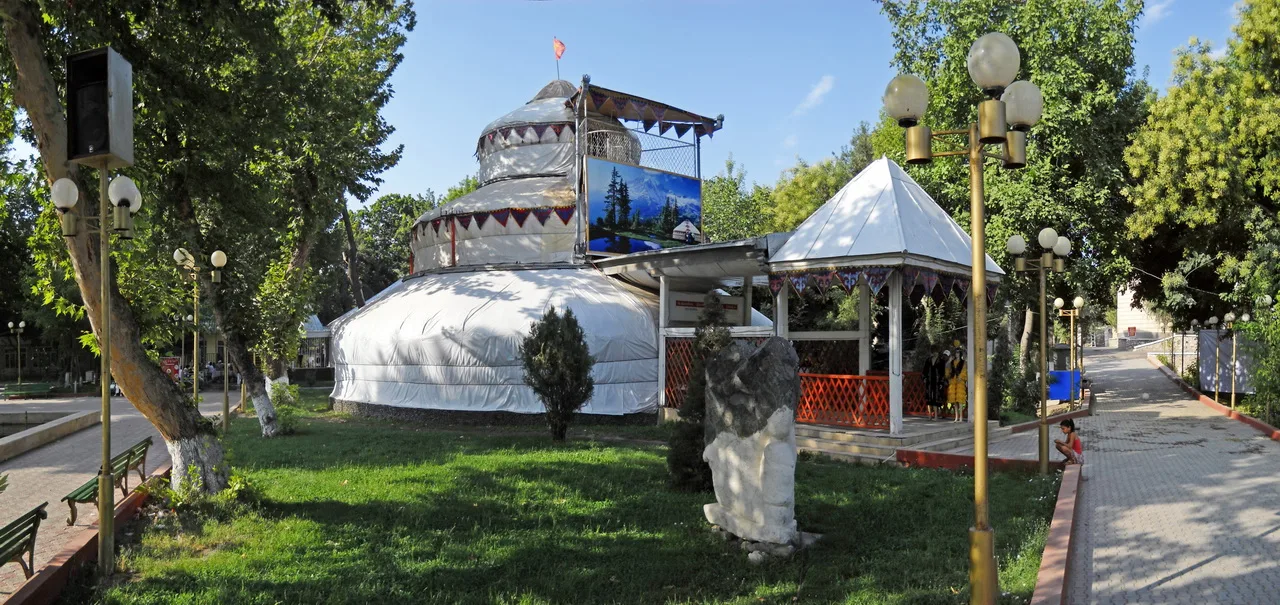
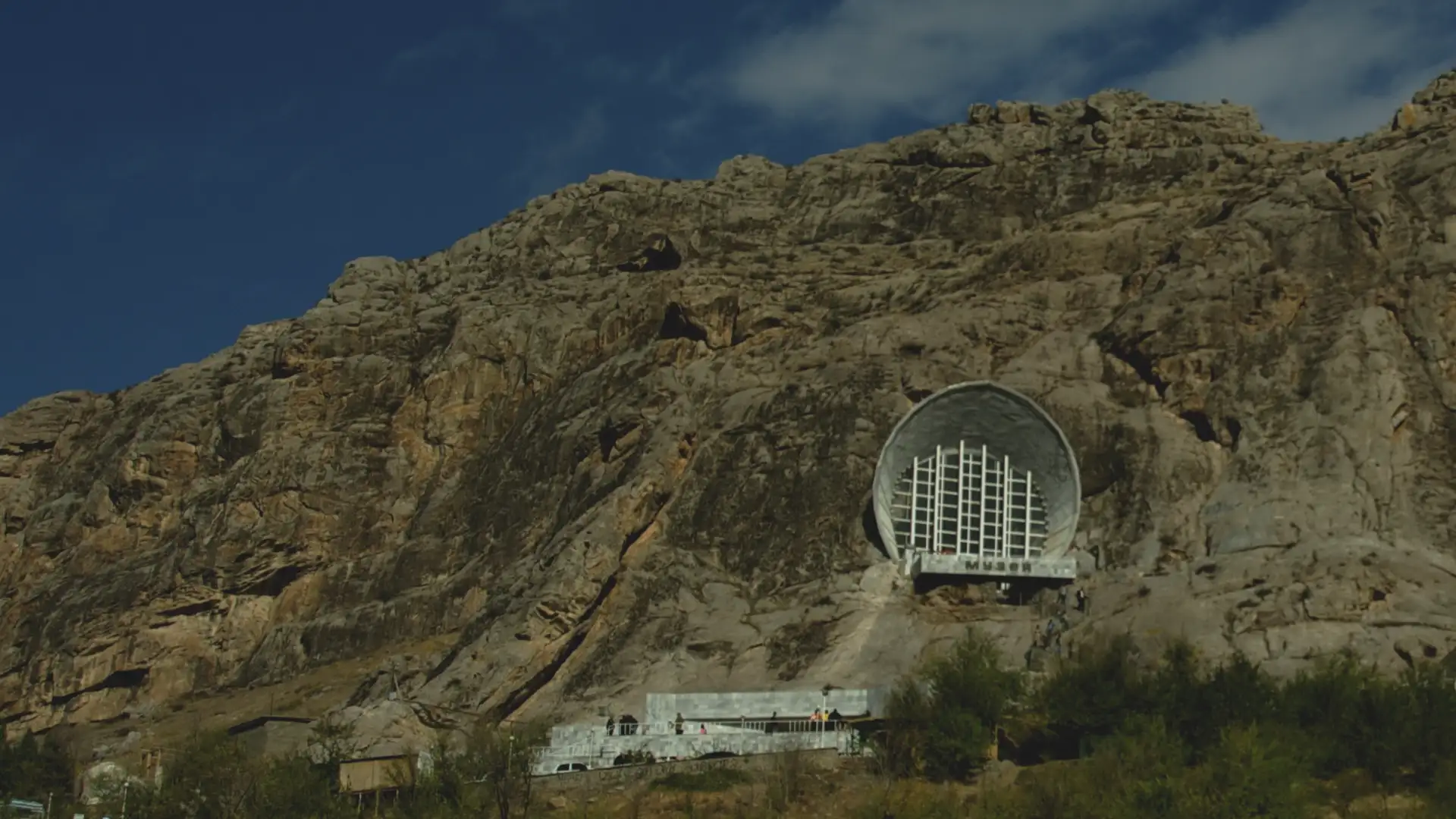
Visit the National Historical Museum for an overview of the country. Sulaiman-Too explains Osh’s archaeology and religious landscape. Naryn’s regional museum focuses on the history and material culture of the high Tian Shan. On the northern shore of Issyk-Kul, you can combine the Przhevalsky Museum, the Museum of Nomadic Civilisation and the Cholpon-Ata petroglyph field.
Opening hours, ticket prices and guided-tour availability change. Check them before travelling, especially for small regional and private museums. The National Statistical Committee publishes the current overall picture of the museum network.
Art and visual culture
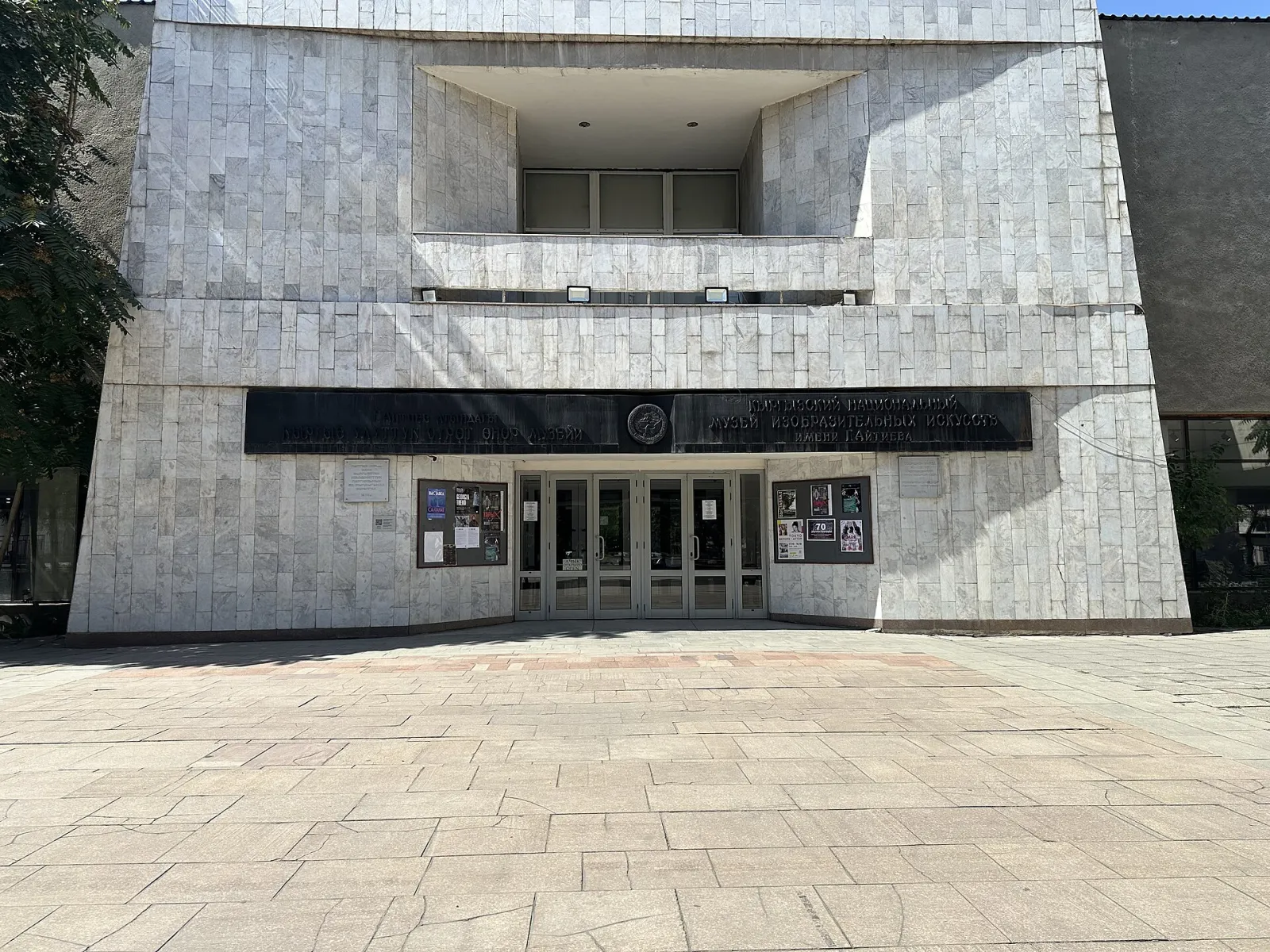
Gapar Aitiev National Museum of Fine Arts Kyrgyzstan’s principal art collection. Kyrgyz painting, graphic art, sculpture and applied art in a museum opposite Bishkek’s Opera and Ballet Theatre. History and archaeology
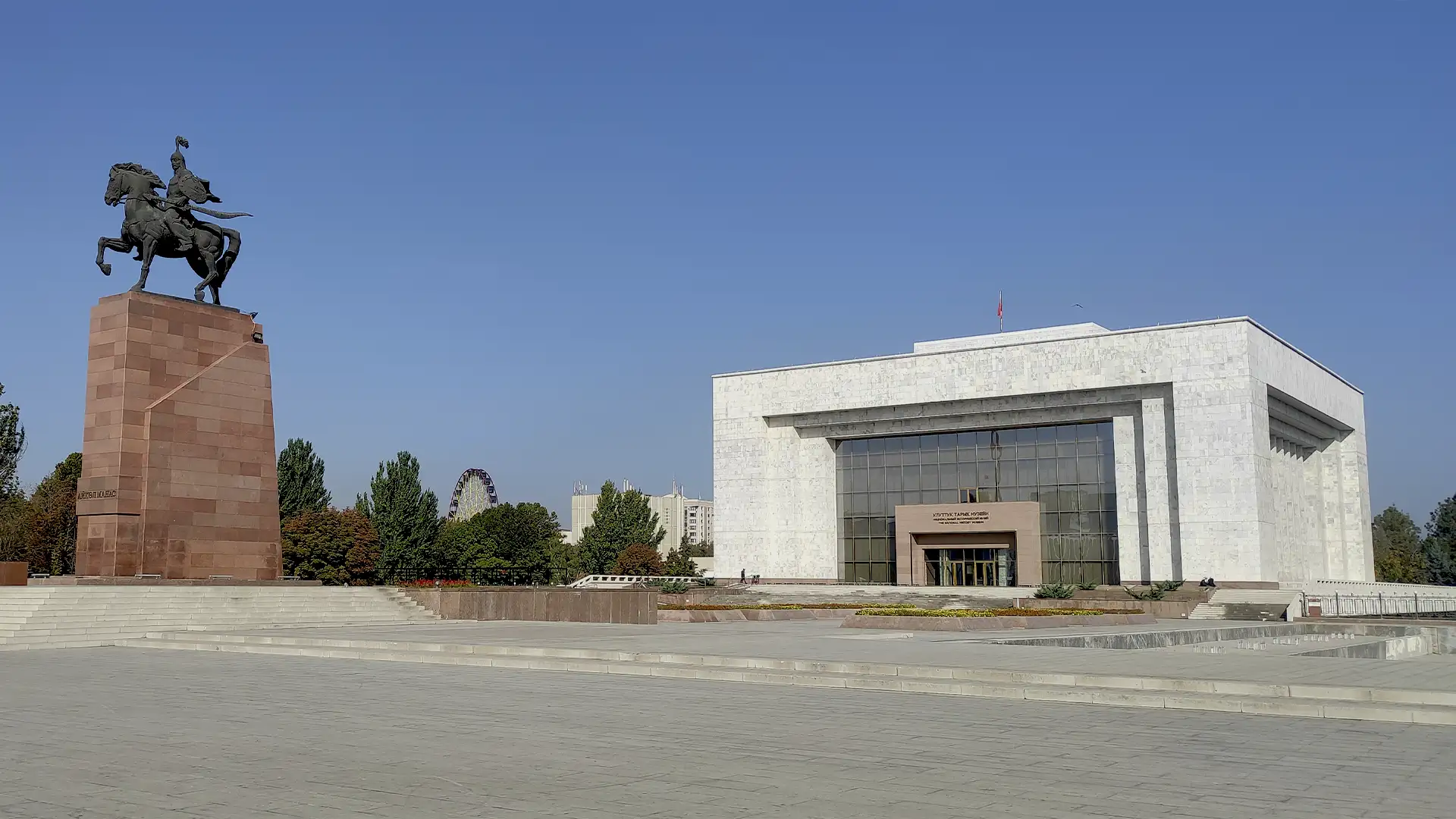
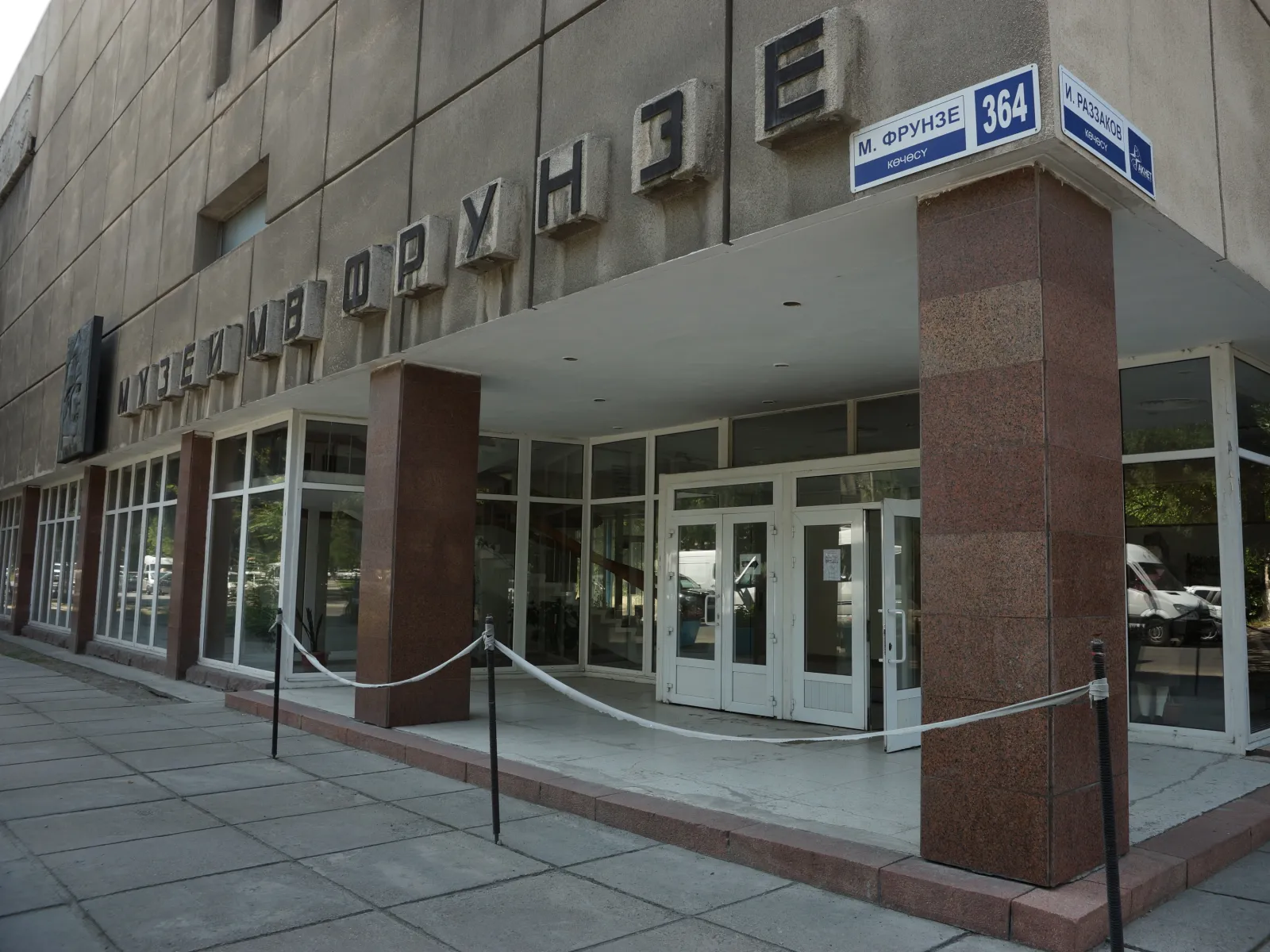
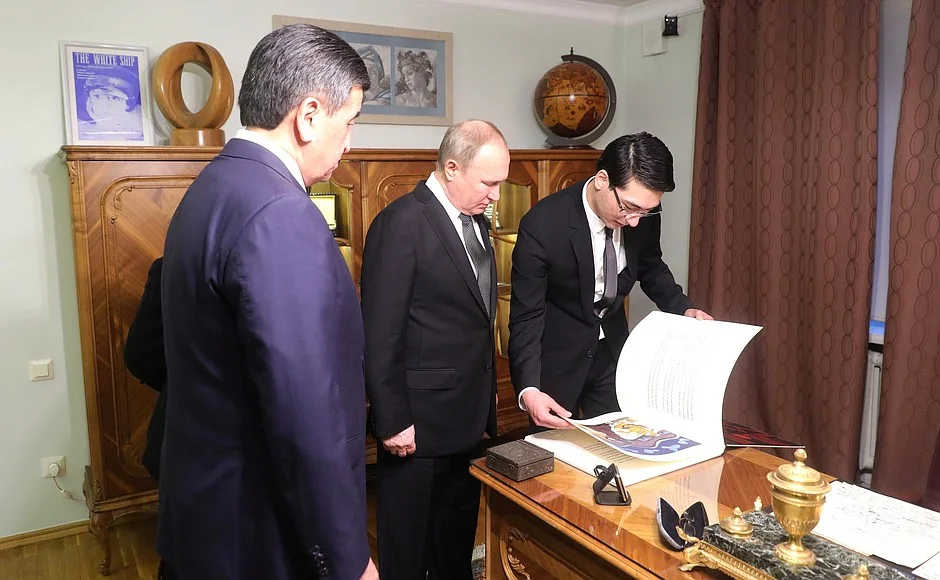
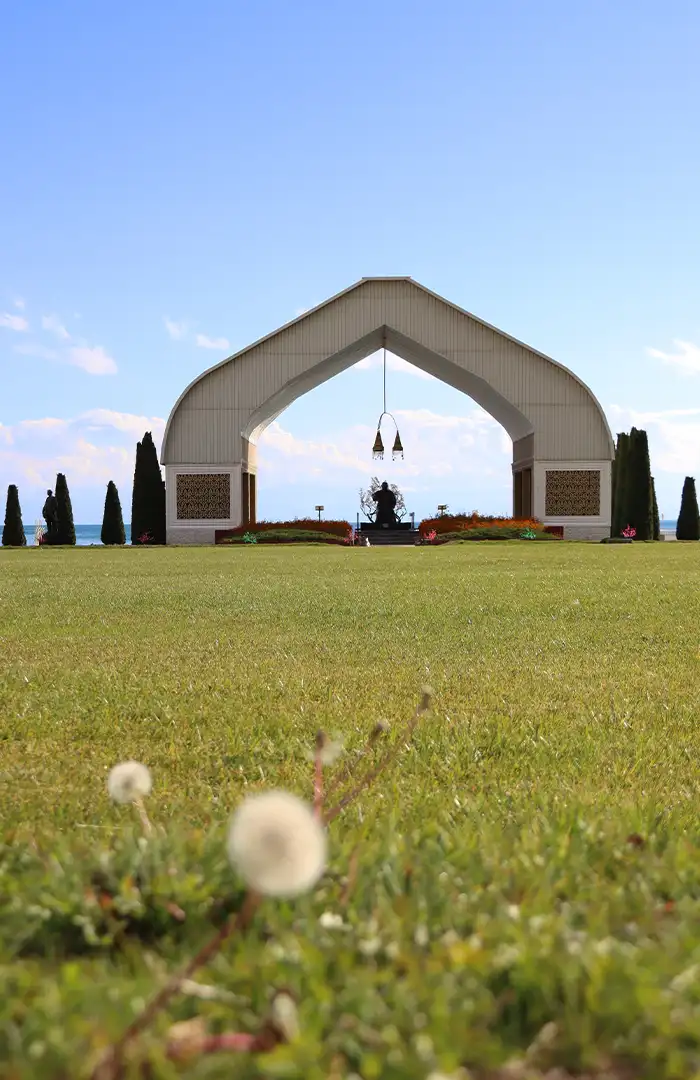
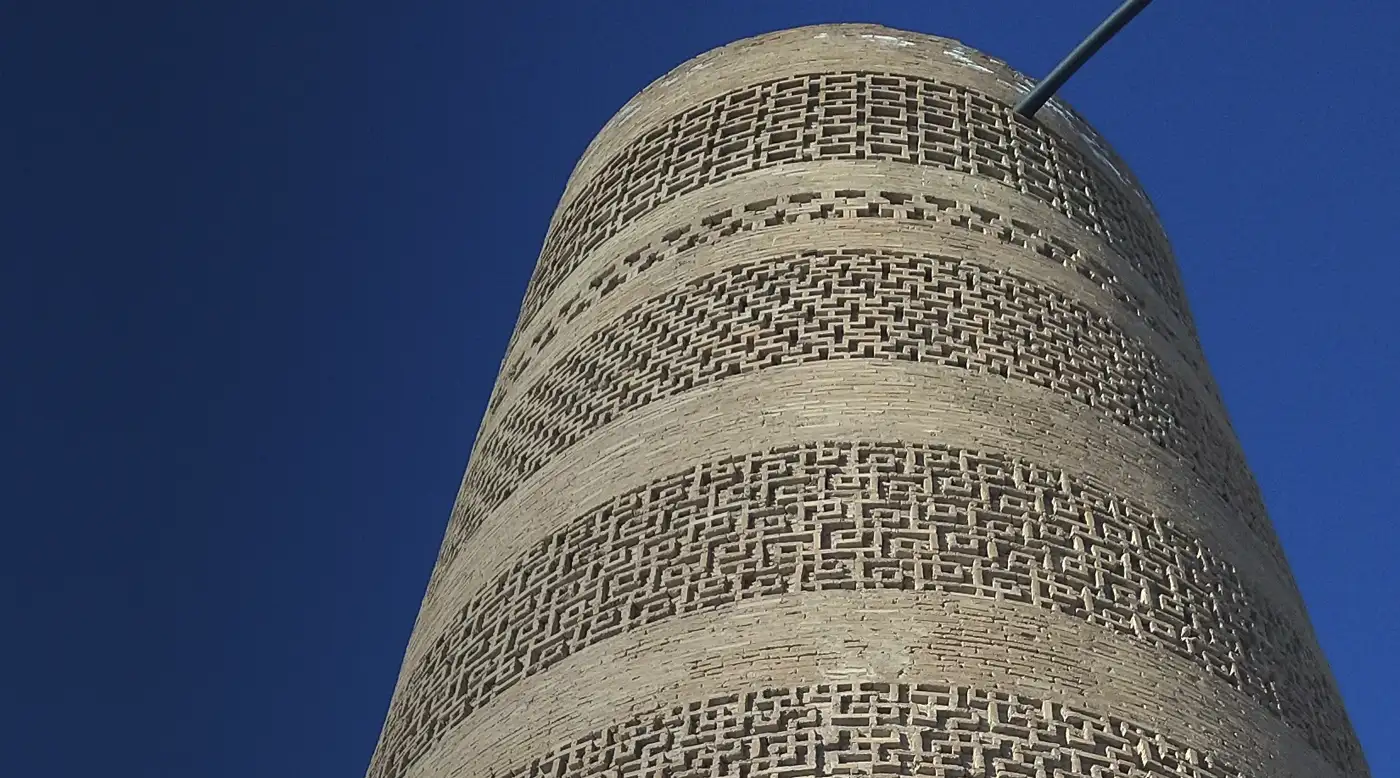
National Historical Museum The country’s chronology in central Bishkek. A large display on Ala-Too Square brings together archaeology, ethnography, the Soviet period and independent Kyrgyzstan. Mikhail Frunze Memorial Museum An old annexe inside a Soviet museum. A preserved Frunze family building, recreated Pishpek interiors and a memorial display meet Soviet modernist architecture from 1967. Chingiz Aitmatov House Museum The writer's study, library and manuscripts. This private memorial home in Chong-Aryk preserves domestic rooms, personal belongings and Aitmatov's unfinished writing. Visits require advance booking. Sulaiman-Too Historical and Archaeological Museum The history of southern Kyrgyzstan at the mountain's foot. More than 33,000 objects in the holdings, with archaeology, natural history, ethnography, documents and art. The main building has its own entrance on Kurmanjan Datka Street. Museum of Spiritual Culture Belief and pilgrimage inside the mountain. This separate museum in the Rushan-Unkur cave explores religious traditions in southern Kyrgyzstan. Its entrance is on the slope, away from the main museum building. Rukh Ordo A cultural complex on the shore of Issyk-Kul. Pavilions, sculpture and exhibition spaces introduce religious traditions and cultural figures. It is a cultural complex rather than a conventional history museum. Burana Tower and Balasagun Minaret, balbals and a small museum. This archaeological complex in the Chüy Valley combines a minaret, remains of a medieval city, stone figures and a museum of finds. Naryn and the inner Tian Shan
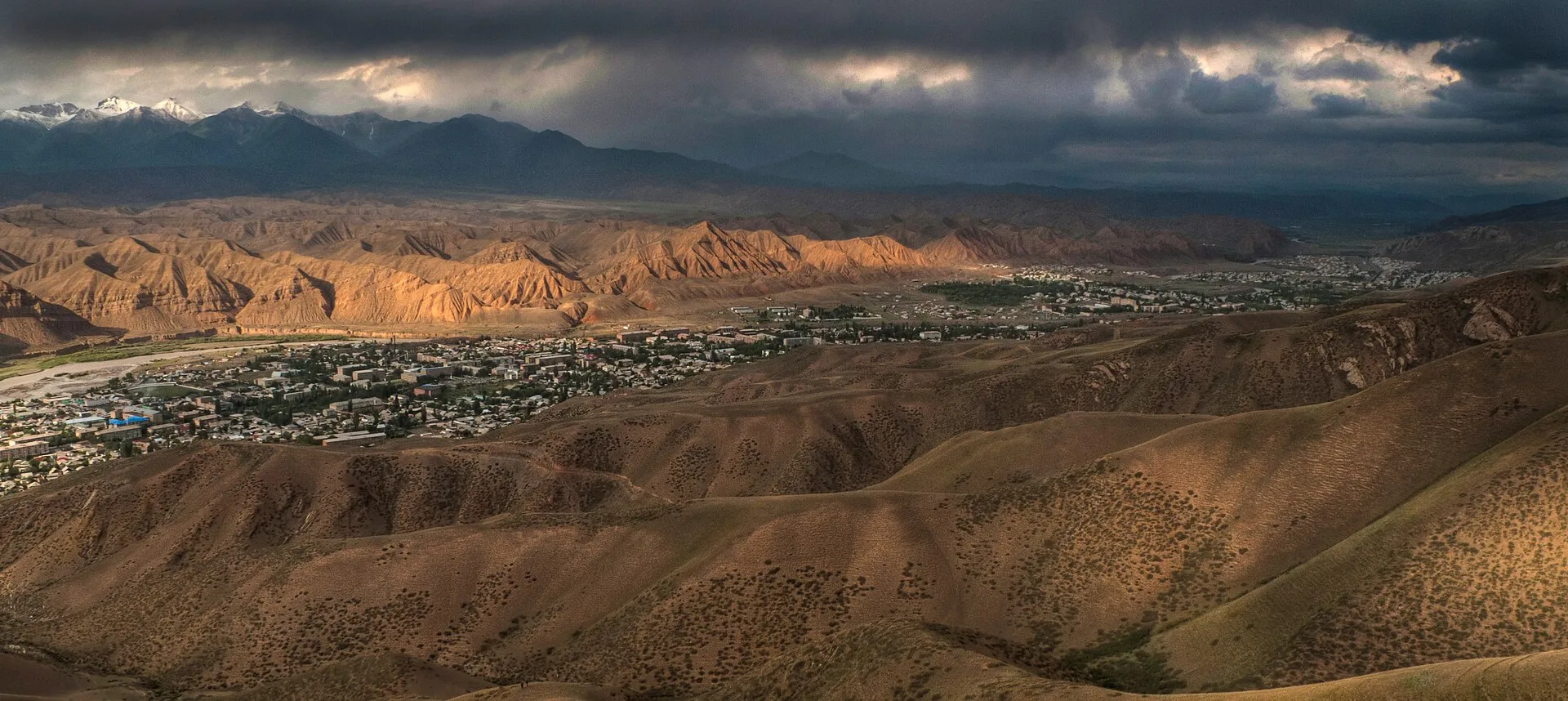
Naryn Regional Historical and Ethnographic Museum Archaeology, history and crafts from Naryn Region. A regional collection named after ethnographer Kaken Mambetalieva and a Traditional Crafts Centre that opened in Naryn in 2026. Museums and heritage around Issyk-Kul
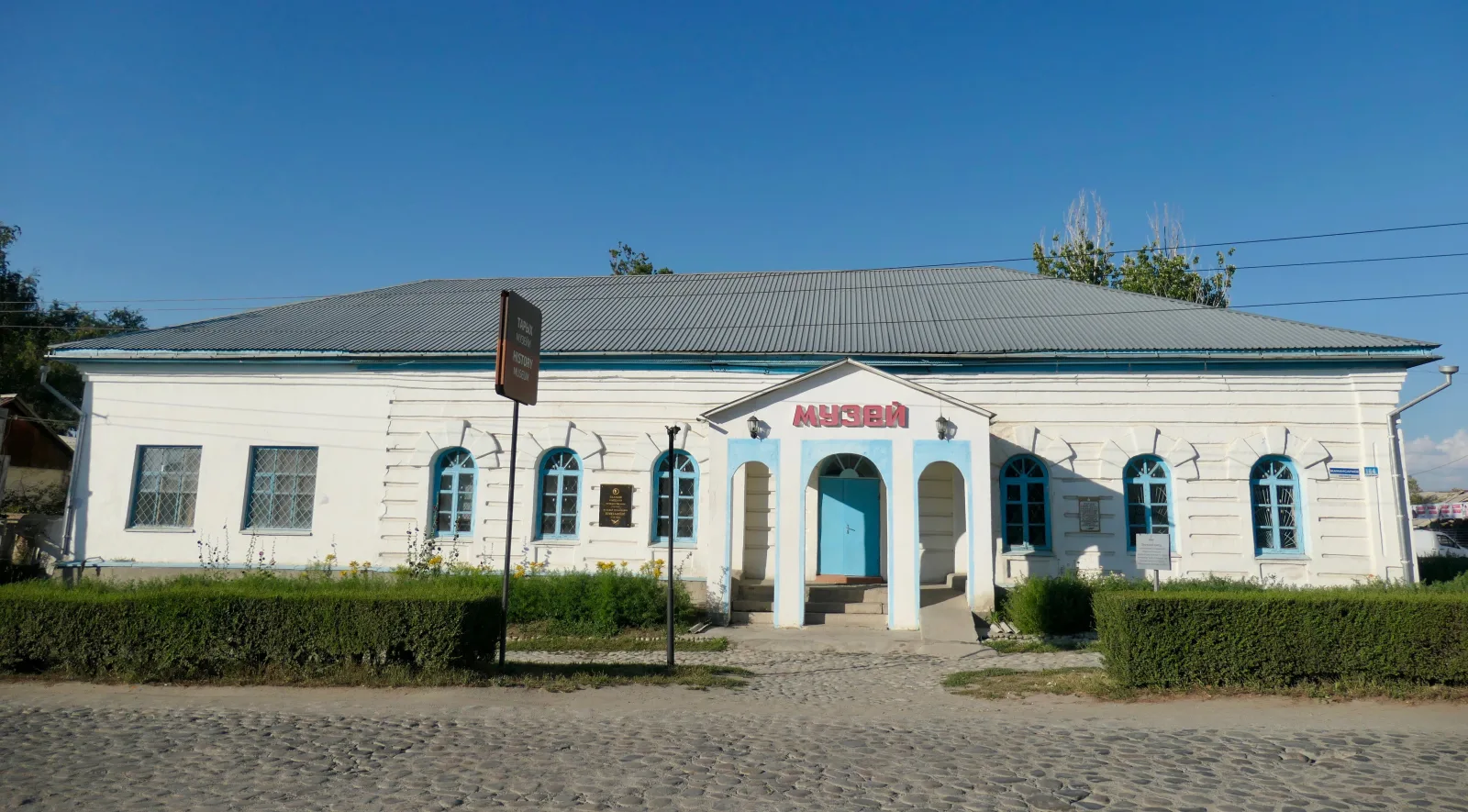
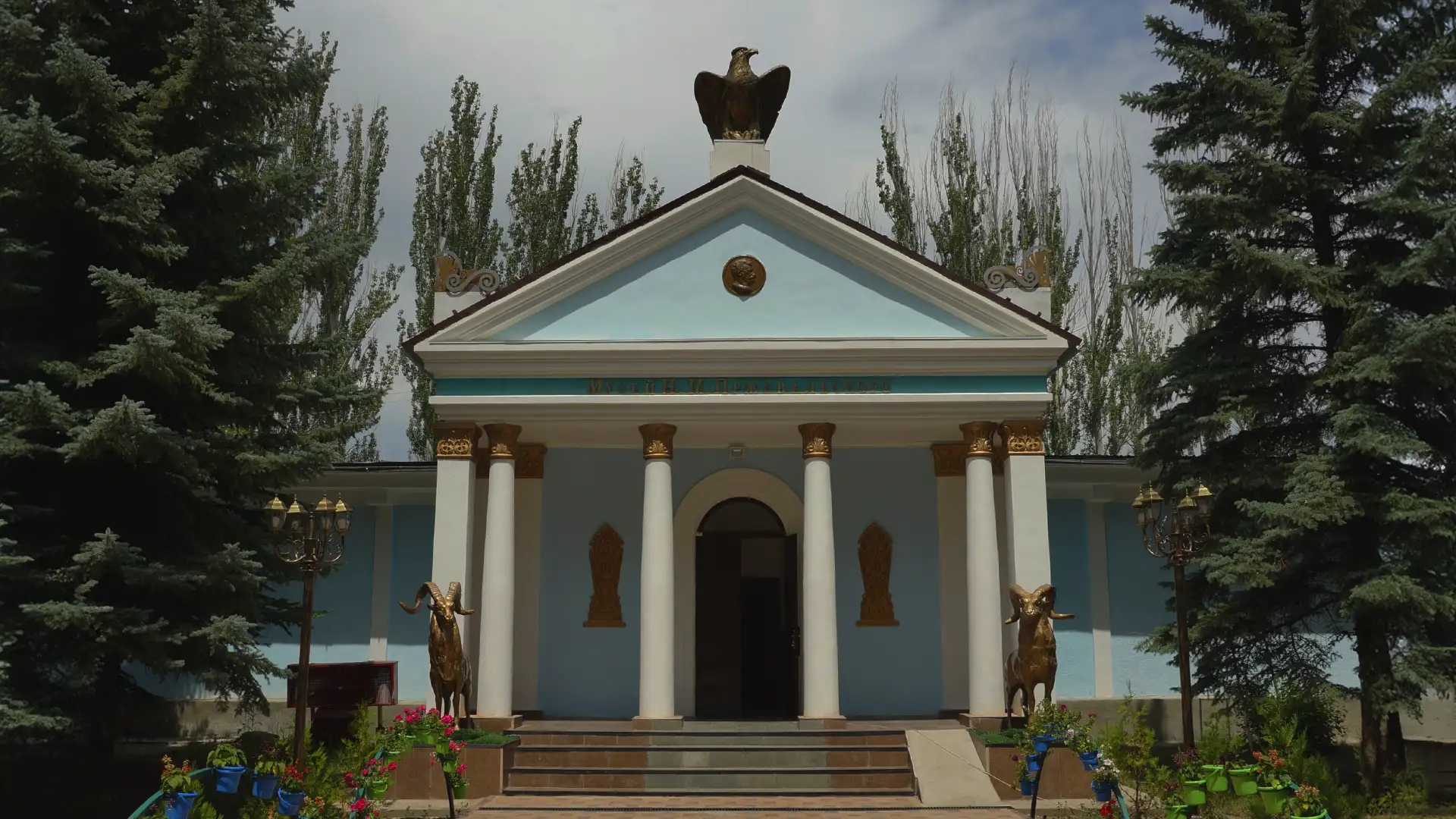
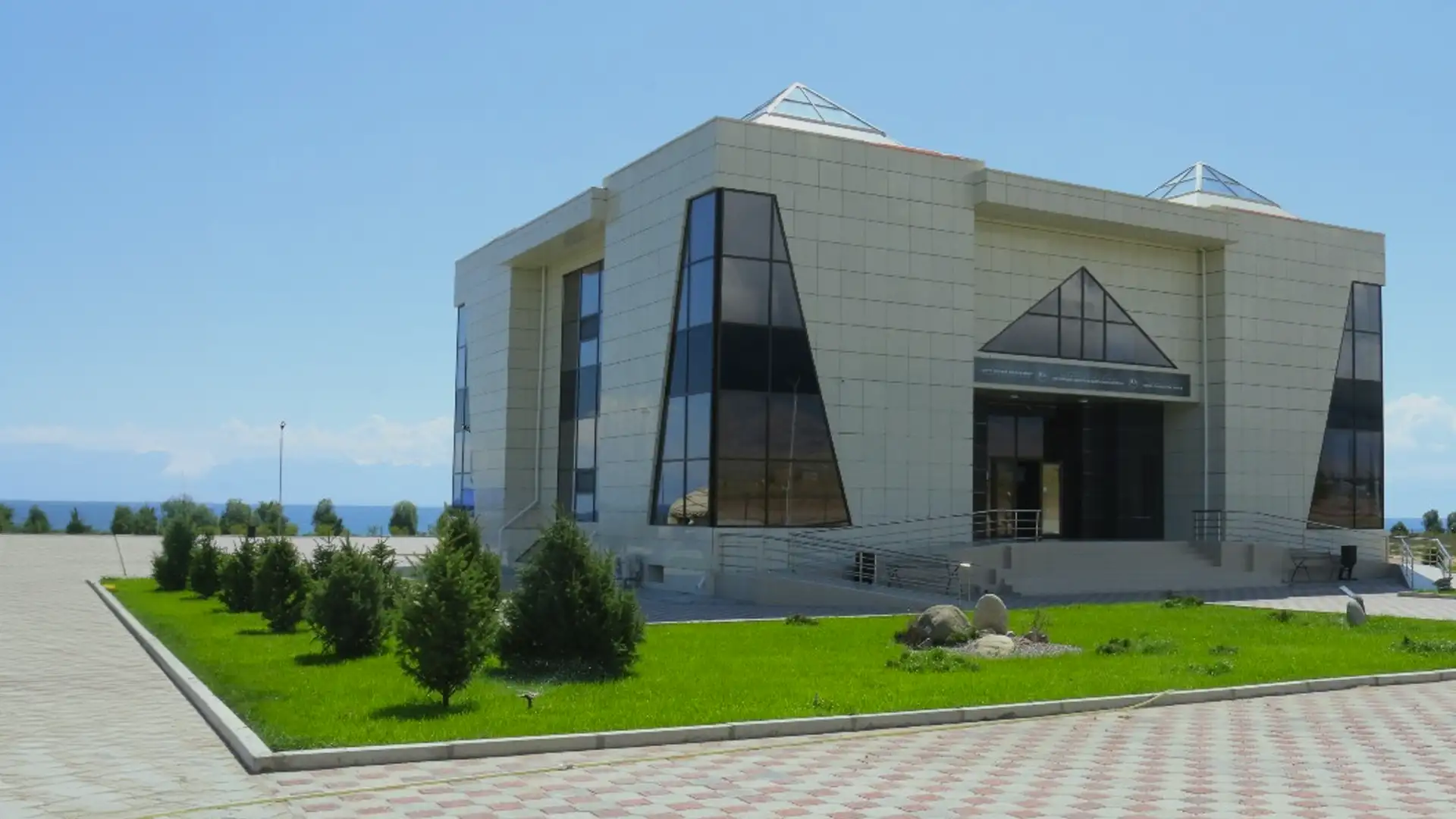
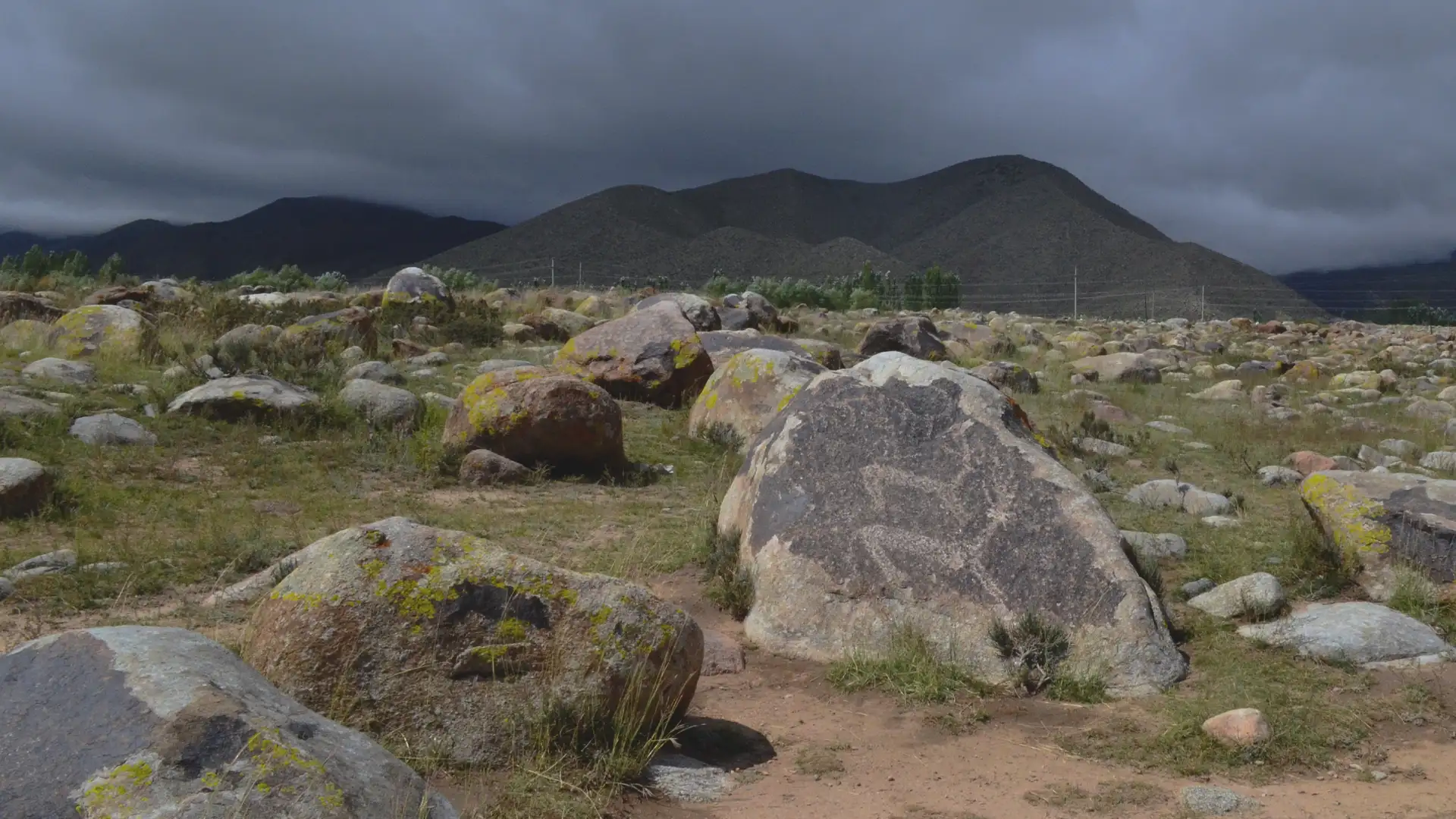
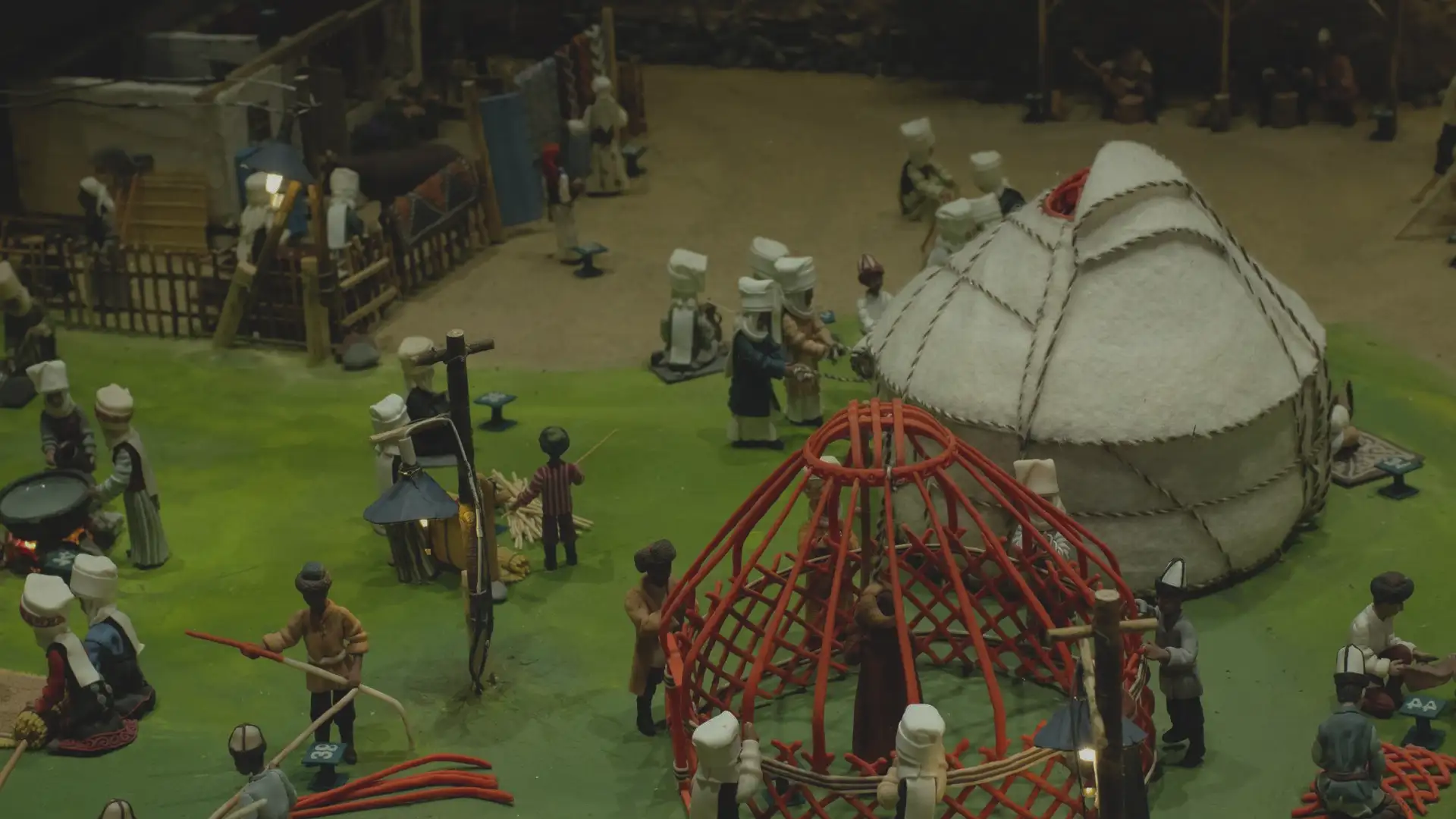
Karakol History Museum Town and regional history in a merchant's house. Archaeology, ethnography, Karakol's history and Ella Maillart's photographs in a museum that reopened after renovation in August 2026. Przhevalsky Museum at Issyk-Kul Expeditions, maps and the explorer’s biography. The memorial complex near Karakol describes Nikolai Przhevalsky’s journeys through Central Asia and his final days at Issyk-Kul. Museum of Nomadic Civilisation The material culture of nomadic life. This small museum in Chon-Sary-Oy displays traditional clothing, household objects, crafts and the organisation of a nomadic household. Cholpon-Ata petroglyphs An open-air archaeological field. Images of animals, hunting scenes and signs from different periods survive on the boulders. Three walking routes cross the site. Supara ethnographic complex A private collection in an ethnographic setting. Household and decorative objects form part of a complex created by Taabaldy Egemberdiev. It combines a private collection, architecture and a restaurant. This guide was prepared by the team at I Love KG. About the team →
Related guides: Naryn Regional Historical and Ethnographic Museum, Museum of Nomadic Civilisation in Chon-Sary-Oy, Cholpon-Ata petroglyphs: an open-air museum.
If you found this guide useful, share it on social media. It takes a moment and helps more travellers discover the project. Thank you!
Anything to add?
Share your experience, leave a comment or suggest an improvement.