Contents:
What kind of museum is it, and why visit?
The museum occupies a large building on Ala-Too Square in central Bishkek. Its displays connect archaeological finds, ethnography, the history of Soviet Kyrgyzstan and the period of independence. This sequence is particularly useful near the beginning of a trip: afterwards, historical periods, traditional objects and monuments along your route make more sense.
The institution's official name has changed. In 2018, the State Historical Museum received national status, so its current name is the National Historical Museum of the Kyrgyz Republic.
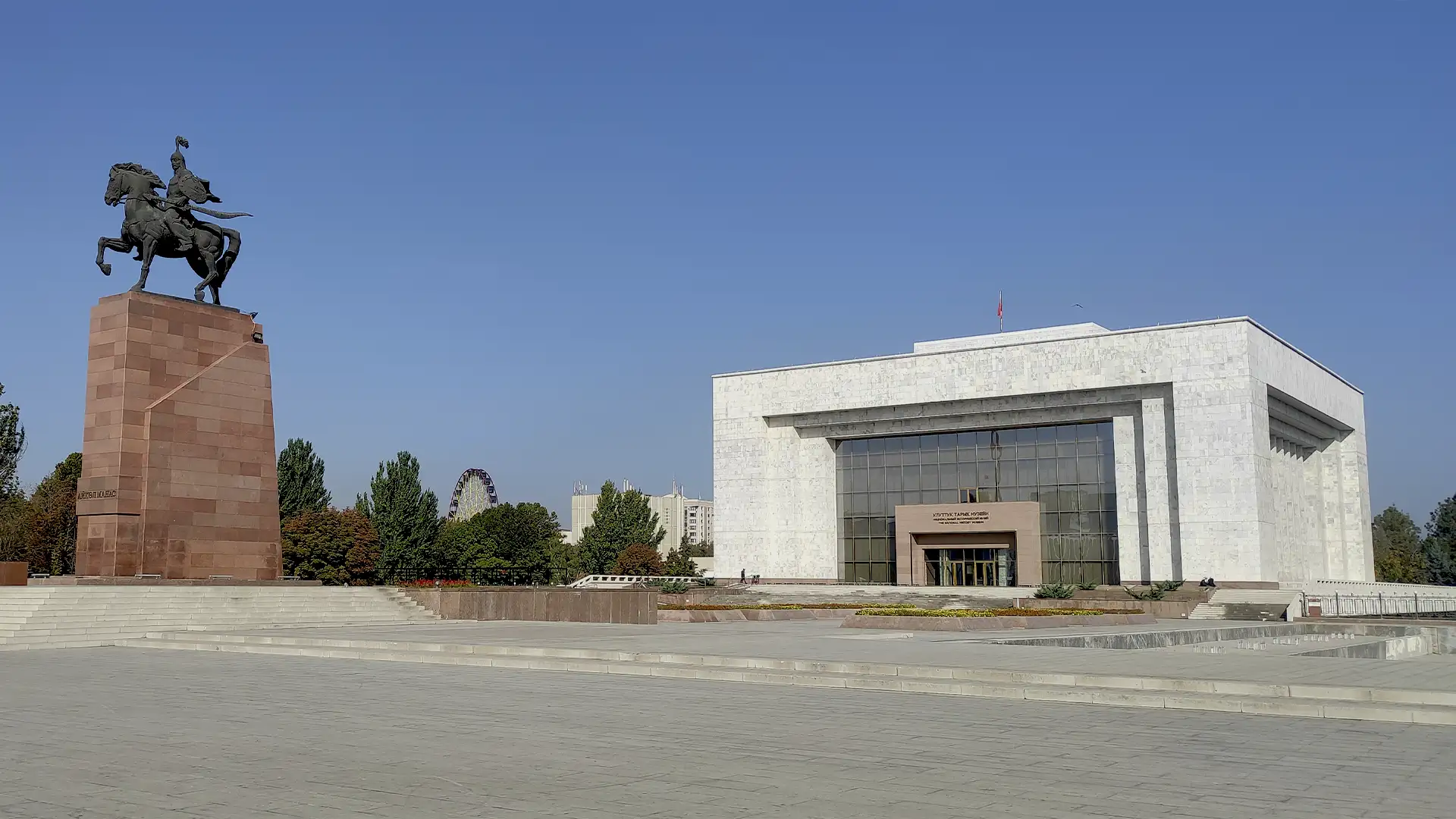
This is a museum about the history of the country. For Kyrgyz painting, the Gapar Aitiev National Museum of Fine Arts is a better choice; for the story of one particular person, choose a house museum. The subject here is broader: changes in society, livelihoods, belief, material culture and statehood on the territory of modern Kyrgyzstan.
Where it is and how to prepare
The main entrance faces Ala-Too Square. It is easy to walk here from the central streets and parks. For a taxi, set the museum itself as the destination, as traffic restrictions around the square change during public holidays and state events.
Ticket prices, opening hours and guided-tour availability may change. Check them on the day of your visit in a current museum listing or through its official channels. Older publications often repeat the timetable from before the reconstruction and are not reliable.
There are several floors and a great deal of written information. If you want to study the display carefully, charge your phone for an audio guide or label translation and leave some space before your next appointment. You may be asked to leave outerwear and large items in the cloakroom.
What to see in the galleries
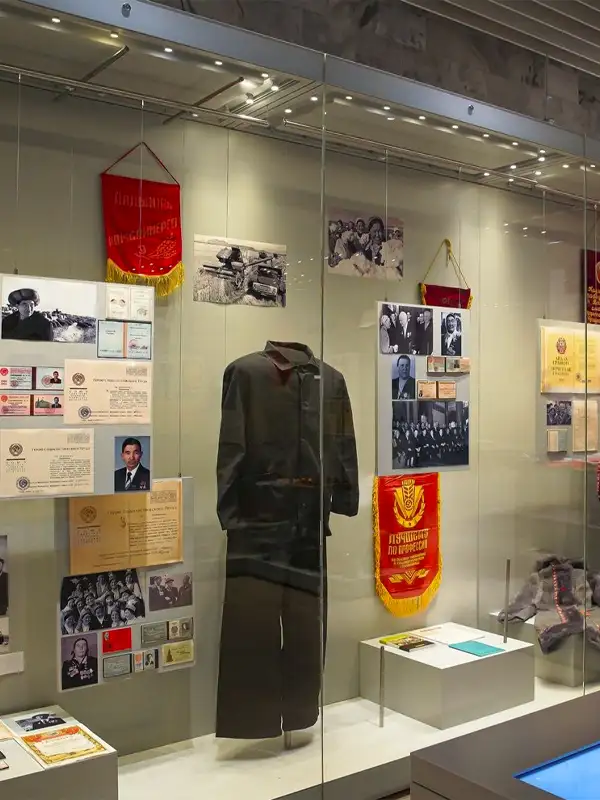 1/4. The Kyrgyz SSR in the museum display
 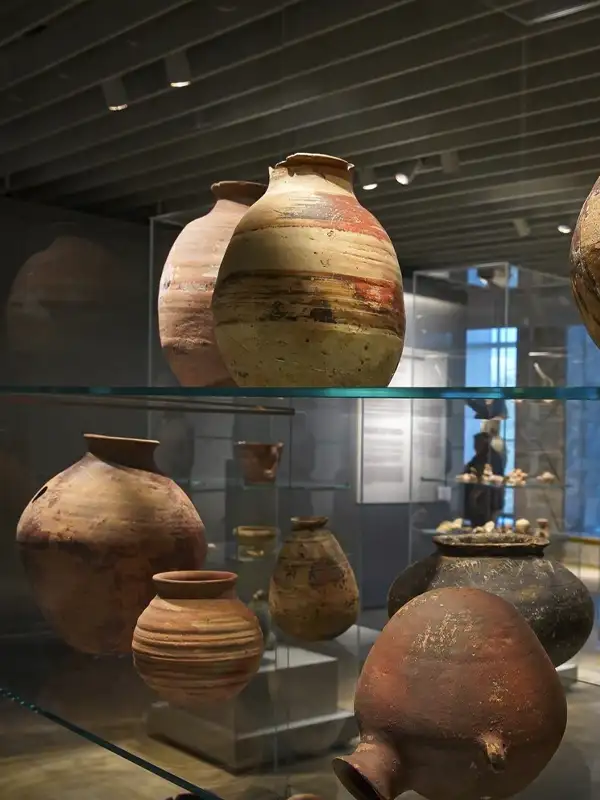 2/4. Ceramic vessels from different periods
 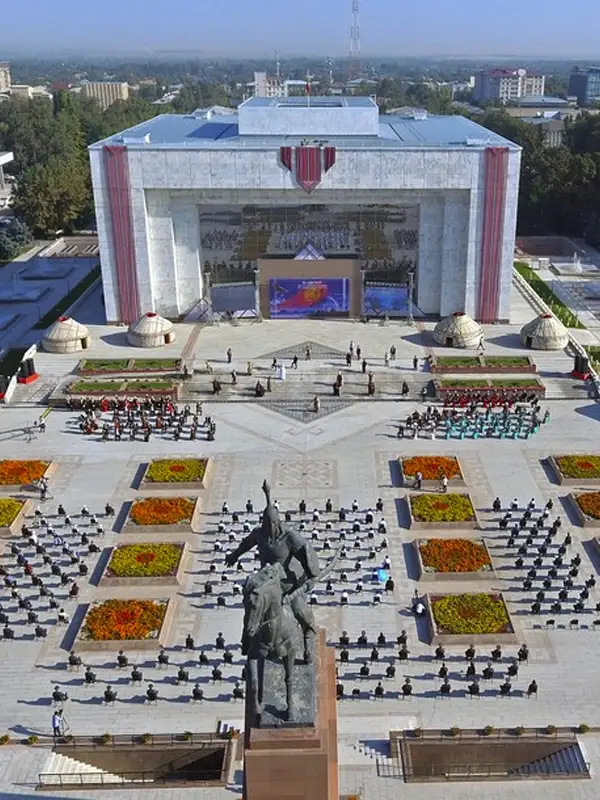 3/4. The museum on Ala-Too Square
 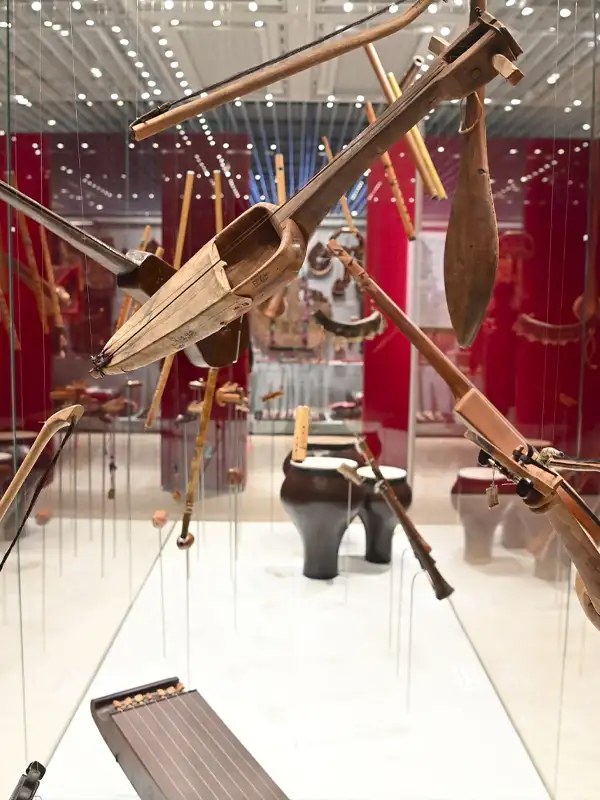 4/4. Traditional musical instruments
 Archaeology. Begin with the ceramics, metalwork and finds from ancient settlements and burials. They show that the region's history cannot be reduced to a single nomadic period. Trade routes crossed the Chüy Valley and Issyk-Kul, and towns, farming settlements and different religious traditions existed here.
Traditional culture. Clothing, horse tack, felt, jewellery and musical instruments explain daily life better than the general phrase "nomadic heritage". Look at purpose and material: felt retained heat, the collapsible structure of a yurt made moving easier, and ornament and jewellery reflected local traditions and skill.
The twentieth century. Documents, photographs, awards and personal objects present the Soviet period through education, industry, culture, war and everyday life. Read this section critically. A museum selects events and constructs an interpretation; it is not a complete history textbook.
The museum holds the original diary of Yusup Abdrakhmanov, the first head of government of the Kyrgyz ASSR. Administrative decisions sit beside doubts about the politics of the 1930s and intensely personal notes. Check ahead if you want to know whether the original is currently on display.
Independent Kyrgyzstan. The final section connects the dissolution of the Soviet Union, the formation of state institutions and public events of recent decades. Its contents and temporary exhibitions change, so the objects on display may differ from the photographs on this page.
How the National Historical Museum developed
The museum was founded on 9 December 1925 and welcomed its first visitors on 5 March 1927. The early display occupied a room in the home of Mikhail Frunze's parents. It began as the Central Museum of Kyrgyzstan, later became a museum of local history and a museum of national culture, and adopted the name State Historical Museum in 1954.
The present building was designed for the republican branch of the Central Lenin Museum. After the Soviet Union dissolved, it was transferred to the historical museum. Its Soviet architecture and monumental reliefs became part of the story of the twentieth century, although the display now covers a much longer history.
The galleries cover archaeology and ethnography, the history of the Kyrgyz people from the sixteenth to the nineteenth centuries, the Soviet period and the independent republic. This scope also appears in the official account of a 2024 museum visit.
How much time to allow and what to combine it with
Allow 60 to 90 minutes for a quick introduction. This is enough to follow the chronology, pause at archaeology and traditional culture, and then see the twentieth-century section. For a thoughtful visit with time to read labels, allow two to three hours.
The museum fits easily into a walking day in central Bishkek. Afterwards, cross Ala-Too Square towards Oak Park and the Old Square. To continue the museum theme, choose your next stop from our guide to museums in Kyrgyzstan.
Share on social media
If you found this guide useful, share it on social media. It takes a moment and helps more travellers discover the project. Thank you!
Anything to add?
Share your experience, leave a comment or suggest an improvement.