Animals you may see in Kyrgyzstan
Kyrgyzstan's wildlife changes with altitude. Reptiles and steppe birds live in the dry foothills; roe deer, wild boar and brown bears inhabit spruce forests; and argali, Siberian ibex and marmots occur above the tree line. Choosing the right habitat and time of day matters more than pursuing a long species checklist.
Snow leopard. The ilbirs lives in remote high mountains and was recognised as a national symbol of Kyrgyzstan in 2023. Seeing one on an ordinary trek is extremely unlikely. Even specialists more often confirm its presence from camera traps and tracks. Do not leave a route, chase an animal or publish the precise coordinates of a rare sighting for the sake of a photograph.
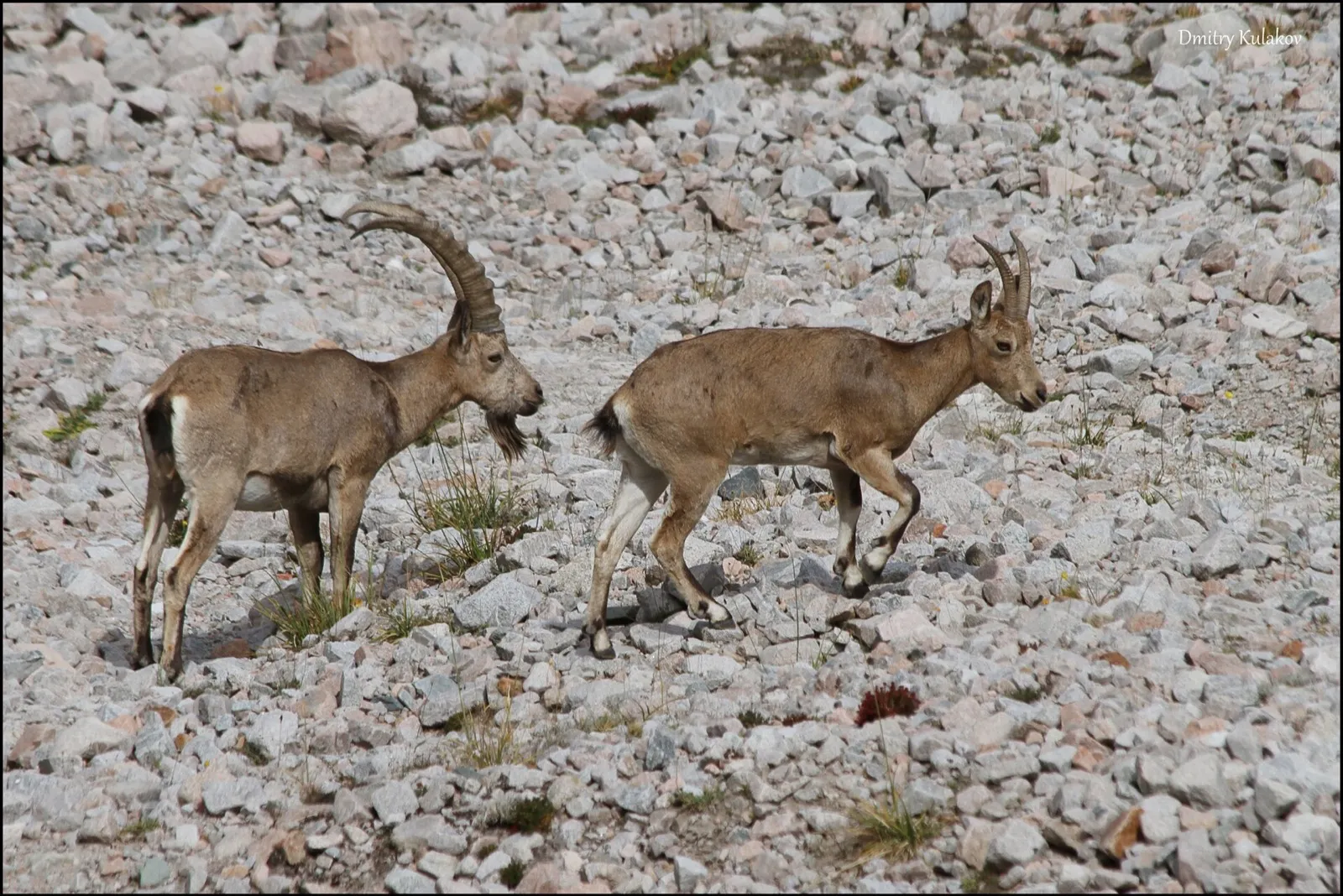 1/3. Siberian ibex Photo: Dmitry Kulakov, CC BY 4.0; edited for this site.
 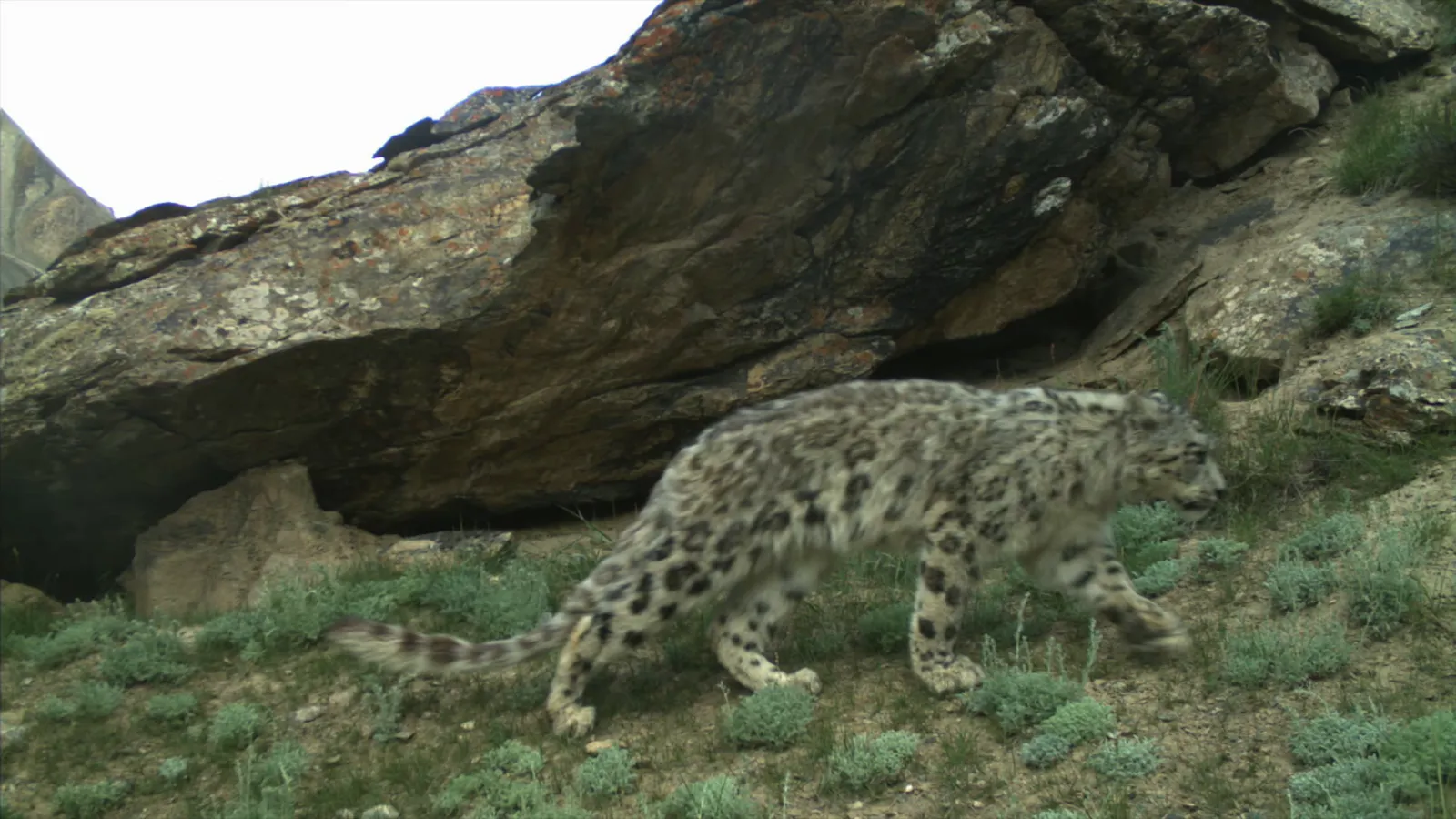 2/3. A snow leopard camera-trap image Photo: Snow Leopard Trust, CC BY 3.0; edited for this site.
 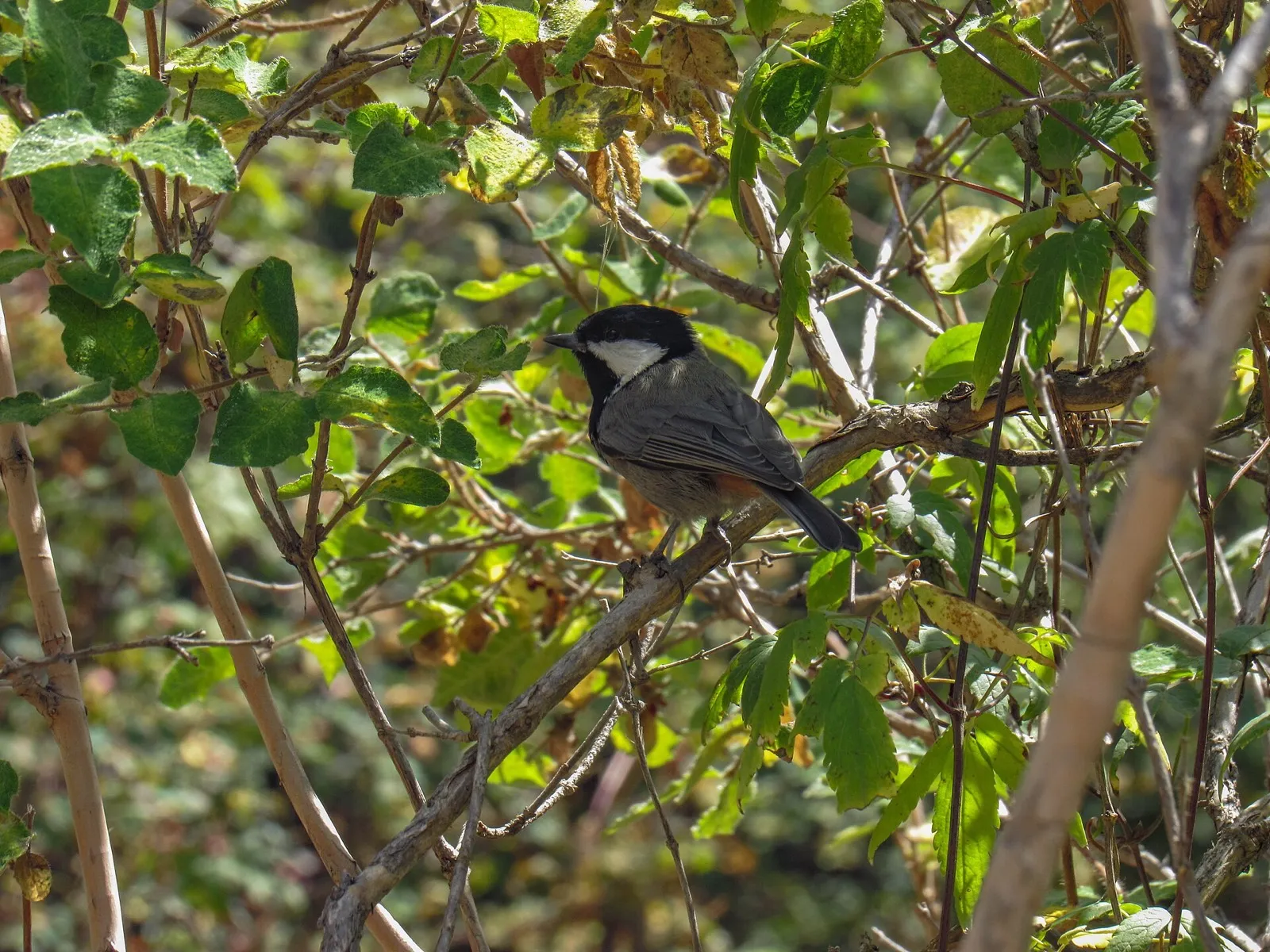 3/3. Rufous-naped tit in Ala-Archa Photo: Nikolai Bulykin, CC BY-SA 4.0; edited for this site.
 Argali and ibex. Wild sheep and mountain goats favour open slopes and cliffs. You may spot them from a distance in the morning or evening, particularly in protected areas. They can be difficult to distinguish without binoculars, and approaching them forces the herd to waste energy escaping.
Brown bear. Bears live in some forested and mountain areas but generally avoid people. Tracks, droppings and disturbed anthills are more common than a sighting. Keep food and scented products sealed at camp and leave no scraps behind.
Marmots and birds. Marmot colonies in high valleys are easy to recognise by their whistles. Issyk-Kul and other waters are good places to watch waterbirds and migrants, while gorges hold golden eagles, vultures and snowcocks. Bring binoculars: they are more useful than trying to approach a nest or feeding site.
A photograph with a captured bird of prey does not prove a connection with tradition. Illegal trapping and the keeping of rare animals harm them. If the bird's origin or conditions look questionable, decline the photograph.
Safety around animals
Large wild animals rarely seek out travellers. On most routes, livestock guardian dogs, ticks, snakes and spiders are more likely to cause trouble. One simple rule covers almost every encounter: do not touch or feed the animal, do not corner it and leave it a clear way out.
Bear or wild boar. Do not approach the animal or its young, run towards it for a photograph or block the direction in which it can retreat. Increase the distance calmly. If fresh tracks lead into dense vegetation, go around the area and make your presence known with your voice.
Livestock guardian dogs. Stop near a flock, bring the group together and call the shepherd. Do not run, wave sticks without need or walk between a dog and its flock. Cyclists are safer dismounting and placing the bicycle between themselves and an approaching dog.
Snakes, spiders and scorpions. Watch where you step in dry areas, do not put your hands under stones and check your shoes after a night outdoors. A non-specialist cannot reliably identify every species by appearance, so any suspected dangerous bite needs medical assessment.
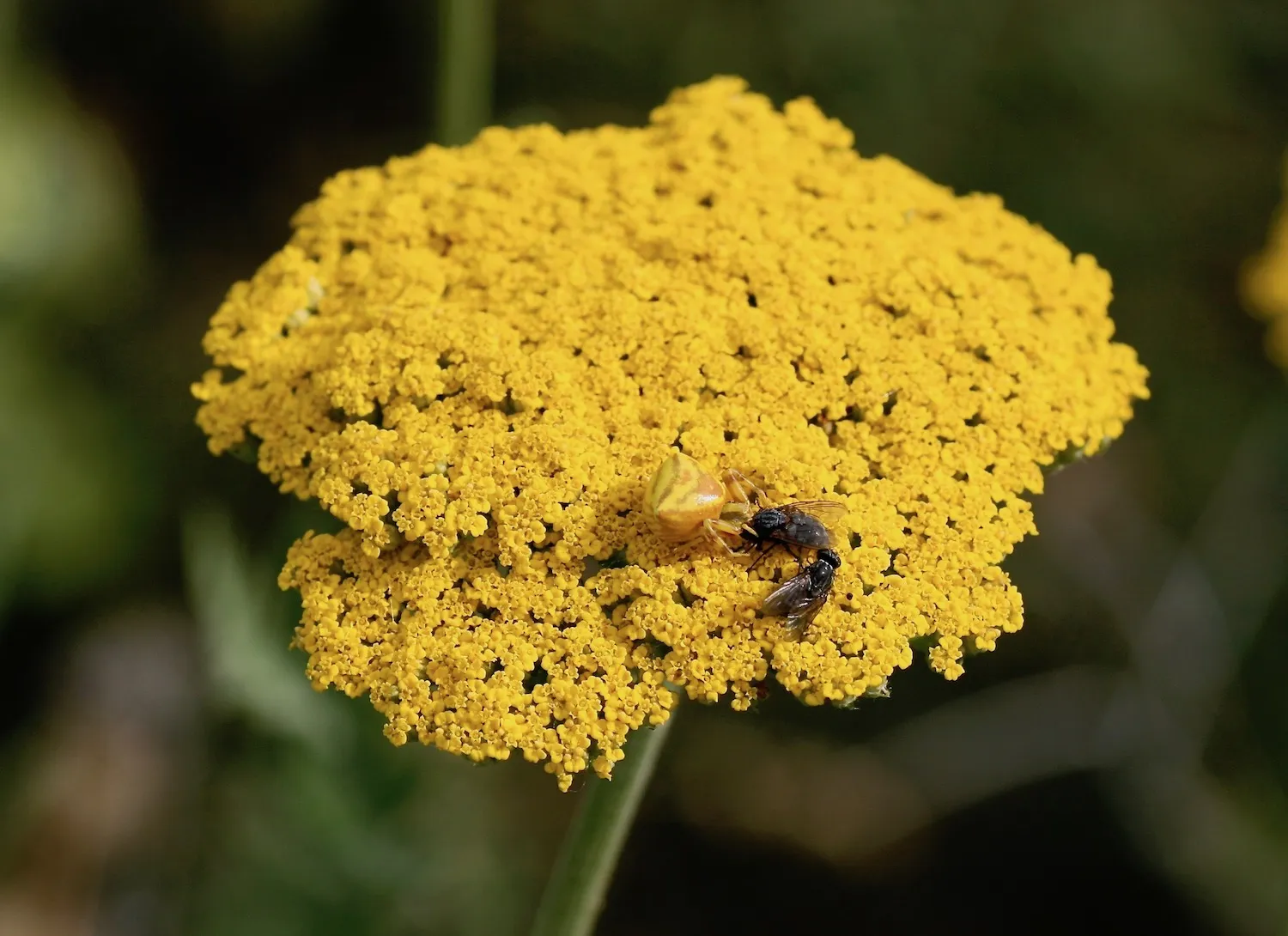 Crab spider on yarrow. Photo: Alexey Yakovlev, CC BY-SA 4.0; edited for this site.
After a snakebite, keep the person still, remove rings and other tight objects from the affected limb, and arrange transport to a medical facility as quickly as possible. Do not cut or suck the wound, and do not apply a tight tourniquet. Our guide to snakes, spiders and first aid gives the full sequence. Call 112 in an emergency.
Ticks. Wear covering clothes in grass and woodland, apply repellent according to its instructions, and check your body after walking. Remove an attached tick carefully with an appropriate tool without crushing it, and seek medical advice if you become unwell.
Fish in mountain rivers and lakes
Kyrgyzstan's waters contain both native and introduced fish. Species vary even between neighbouring lakes, and everyday names such as osman, marinka and trout may refer to several species. This is why older tourist lists often contradict one another.
Do not take a rare or unfamiliar fish simply to identify it. Recreational fishing rules, permitted tackle and seasonal restrictions are set for each body of water. Before travelling, check current requirements in our guide to fishing in Kyrgyzstan and with the local inspectorate.
Share on social media
If you found this guide useful, share it on social media. It takes a moment and helps more travellers discover the project. Thank you!
Anything to add?
Share your experience, leave a comment or suggest an improvement.