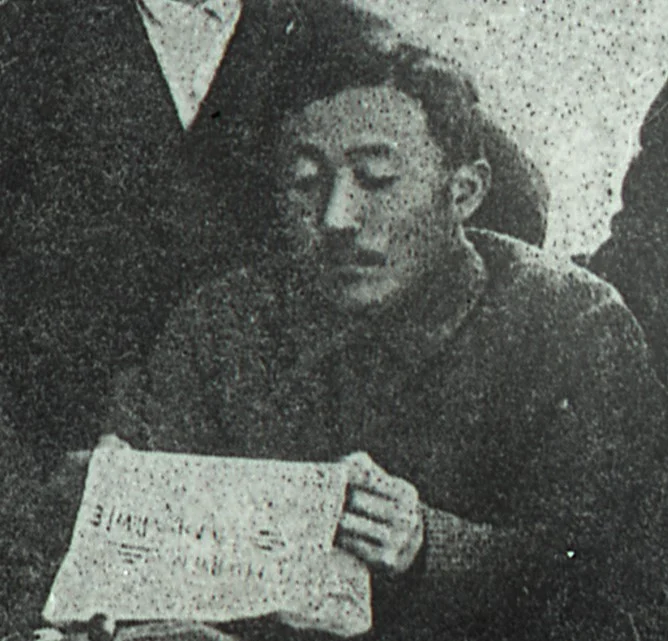
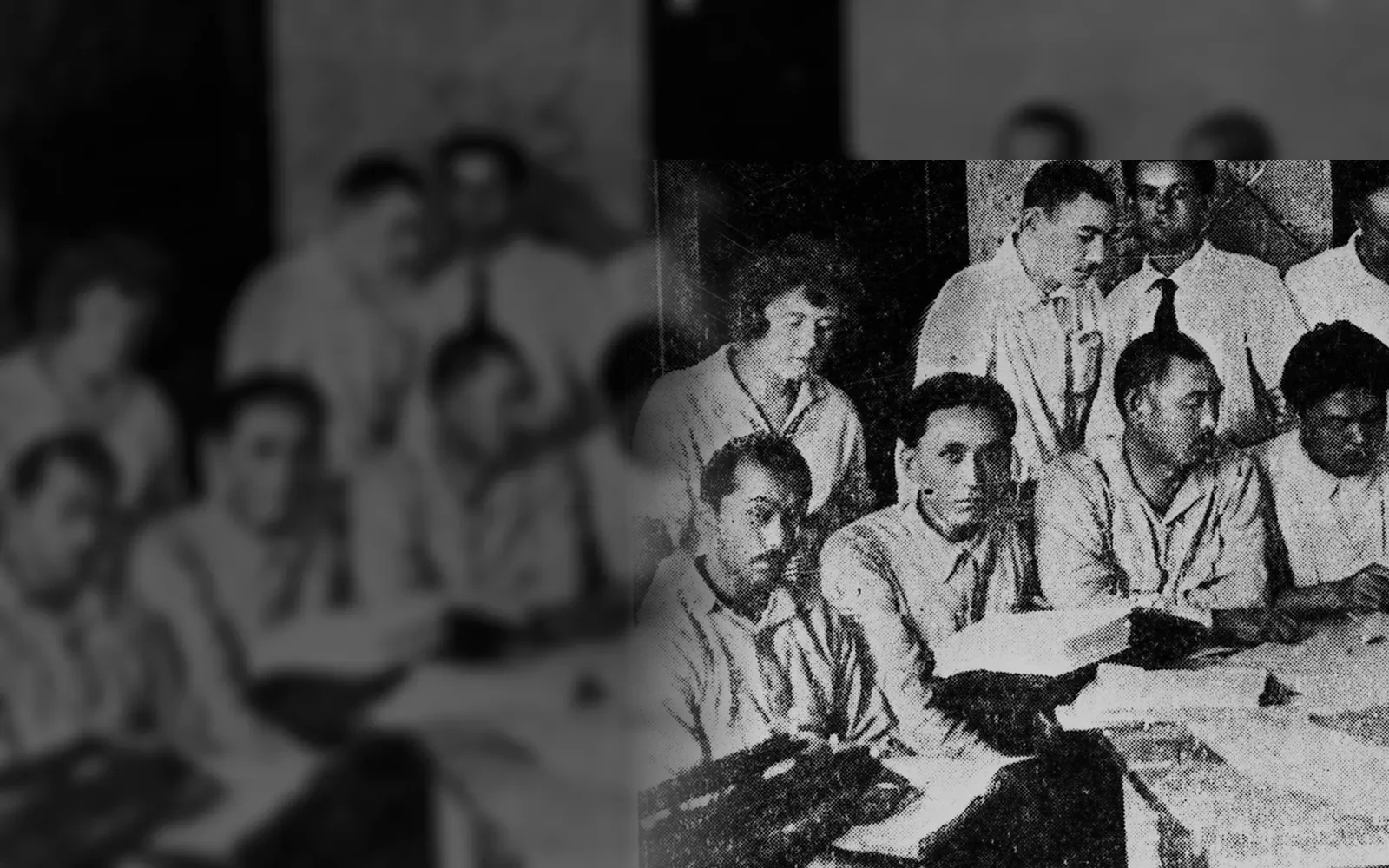
The point is not to assemble lists of monuments and honours, but to place a person inside their time. Each biography explains where they studied and worked, what they created, which choices shaped their public life and why their name remains part of Kyrgyzstan’s culture.
The section will grow from well-documented lives. Writers, musicians, artists, scholars and public figures will be added when a reliable chronology and properly licensed photographs are available.
Literature and public life
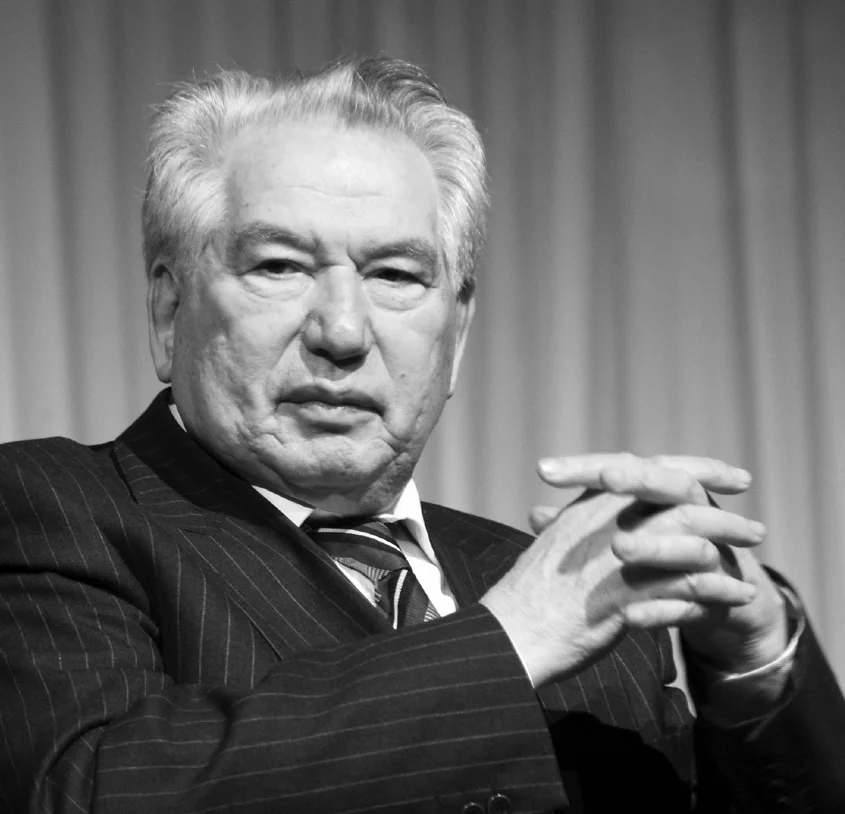
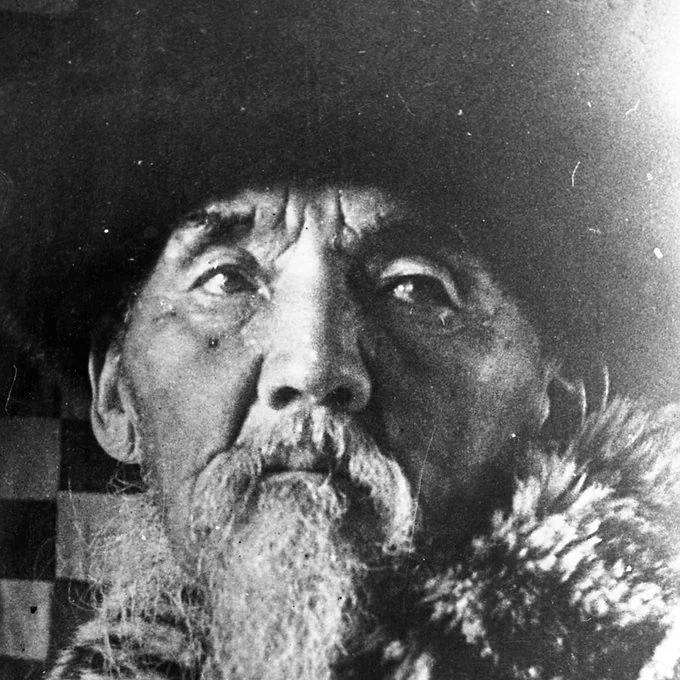
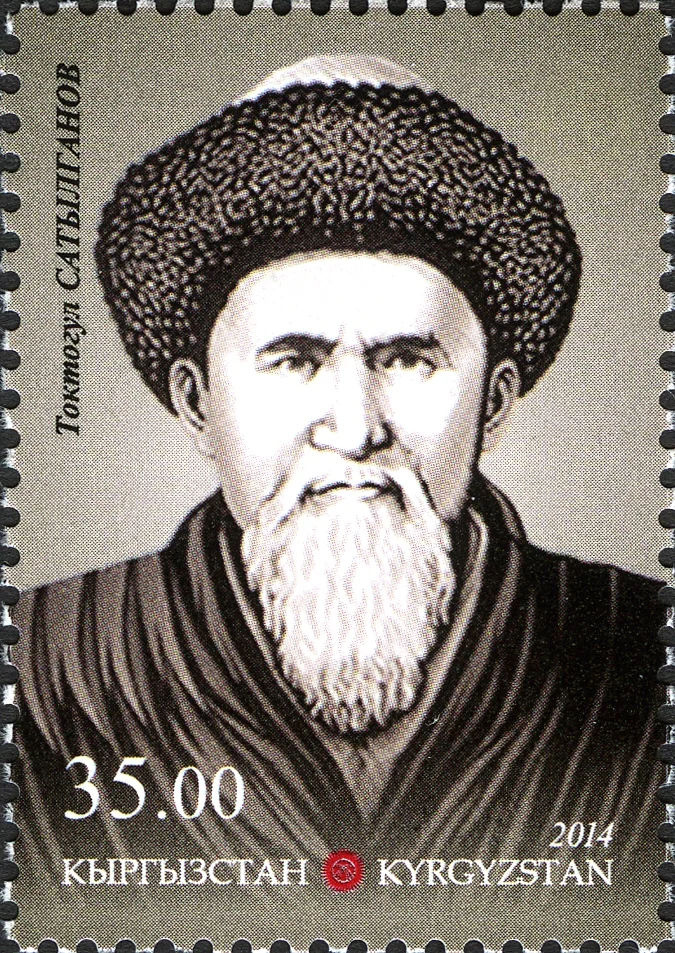
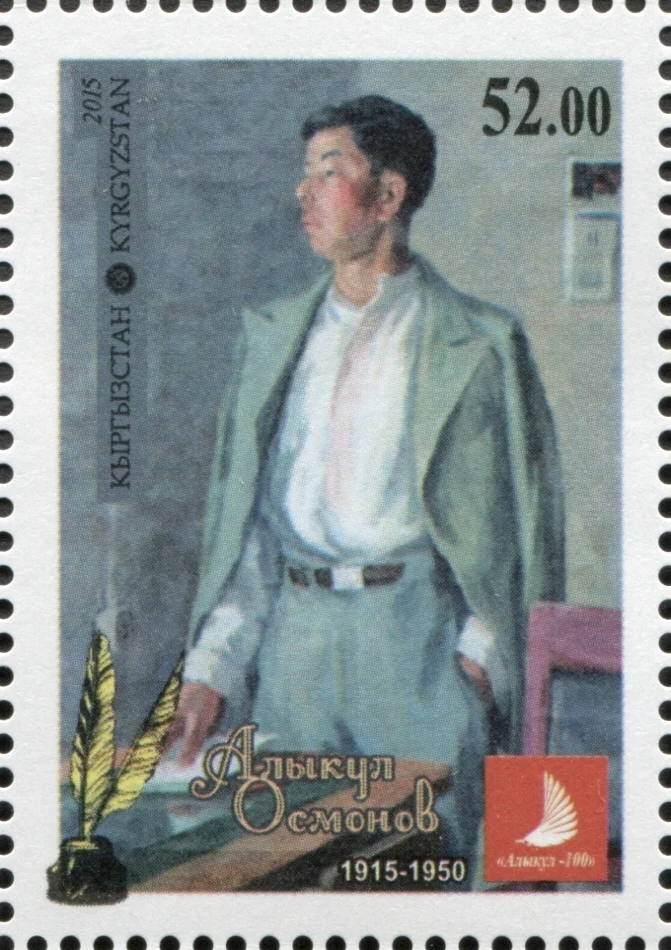
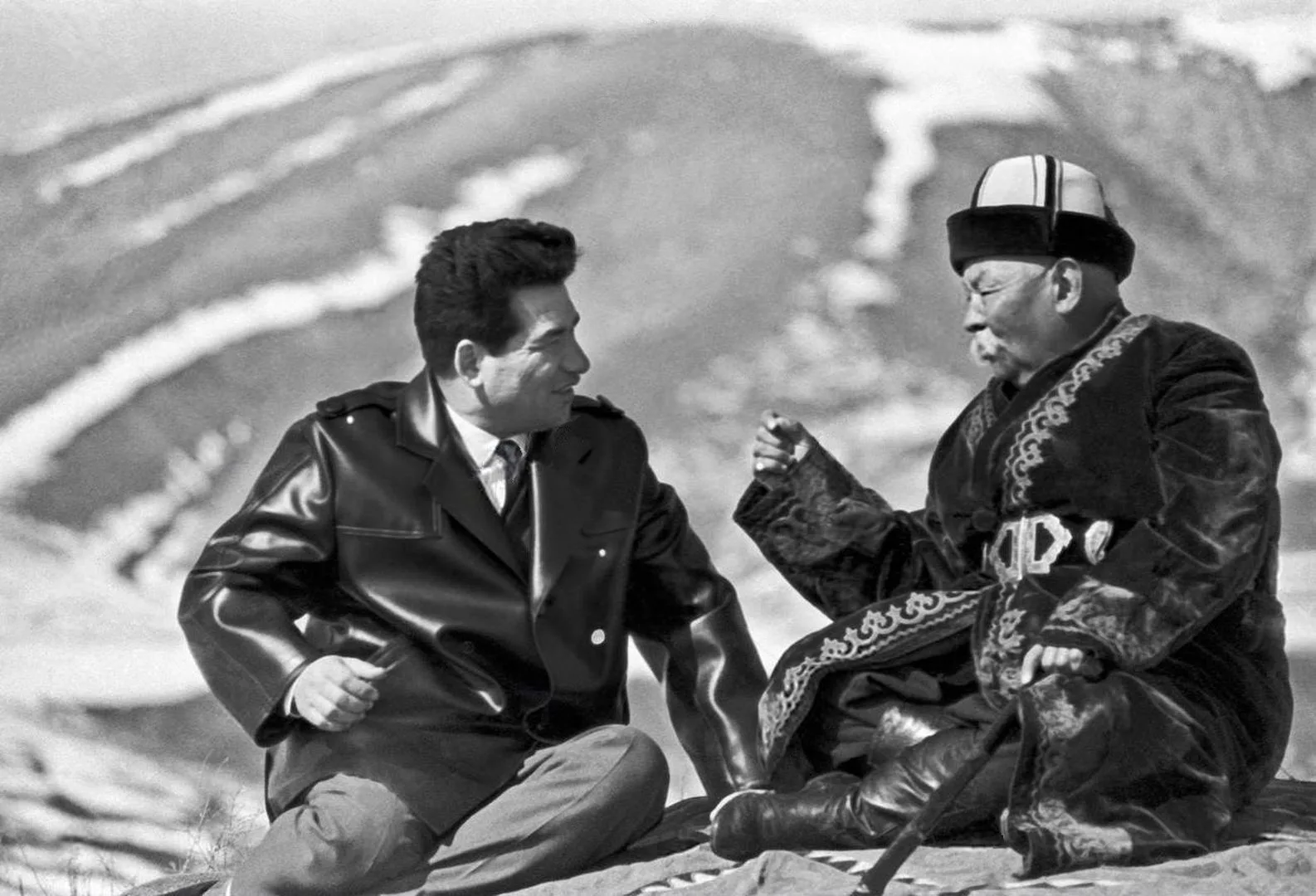
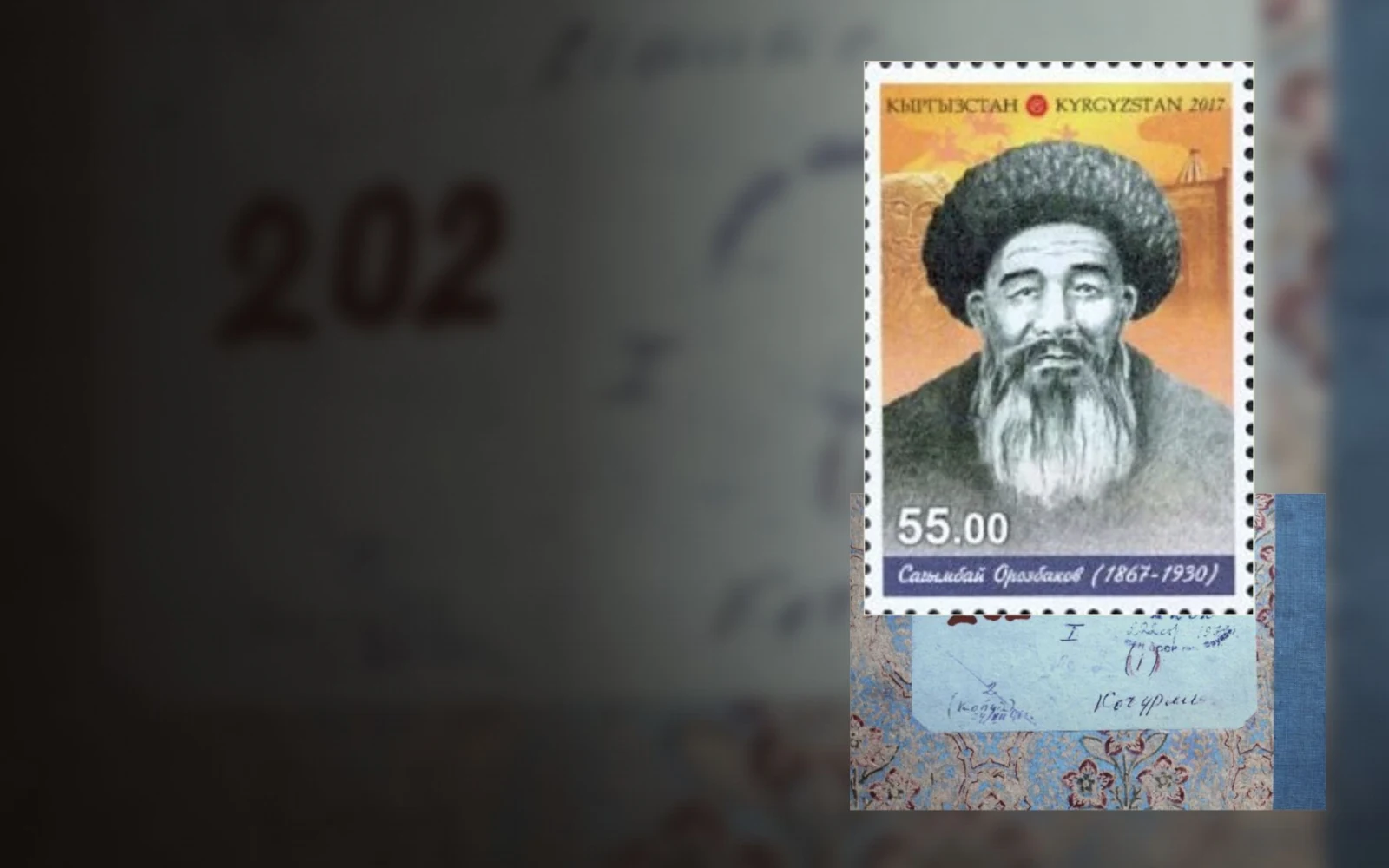
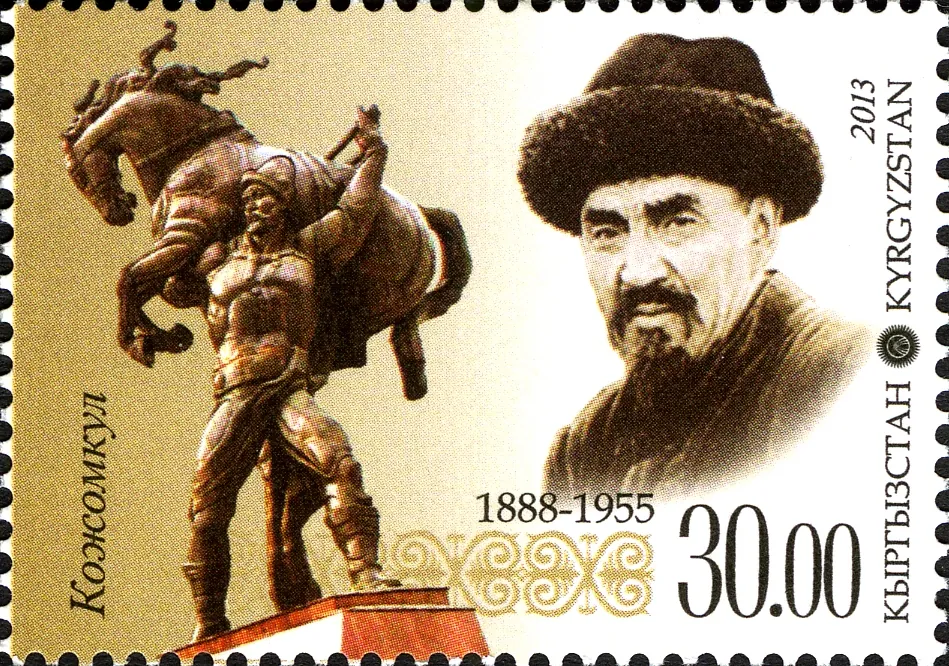
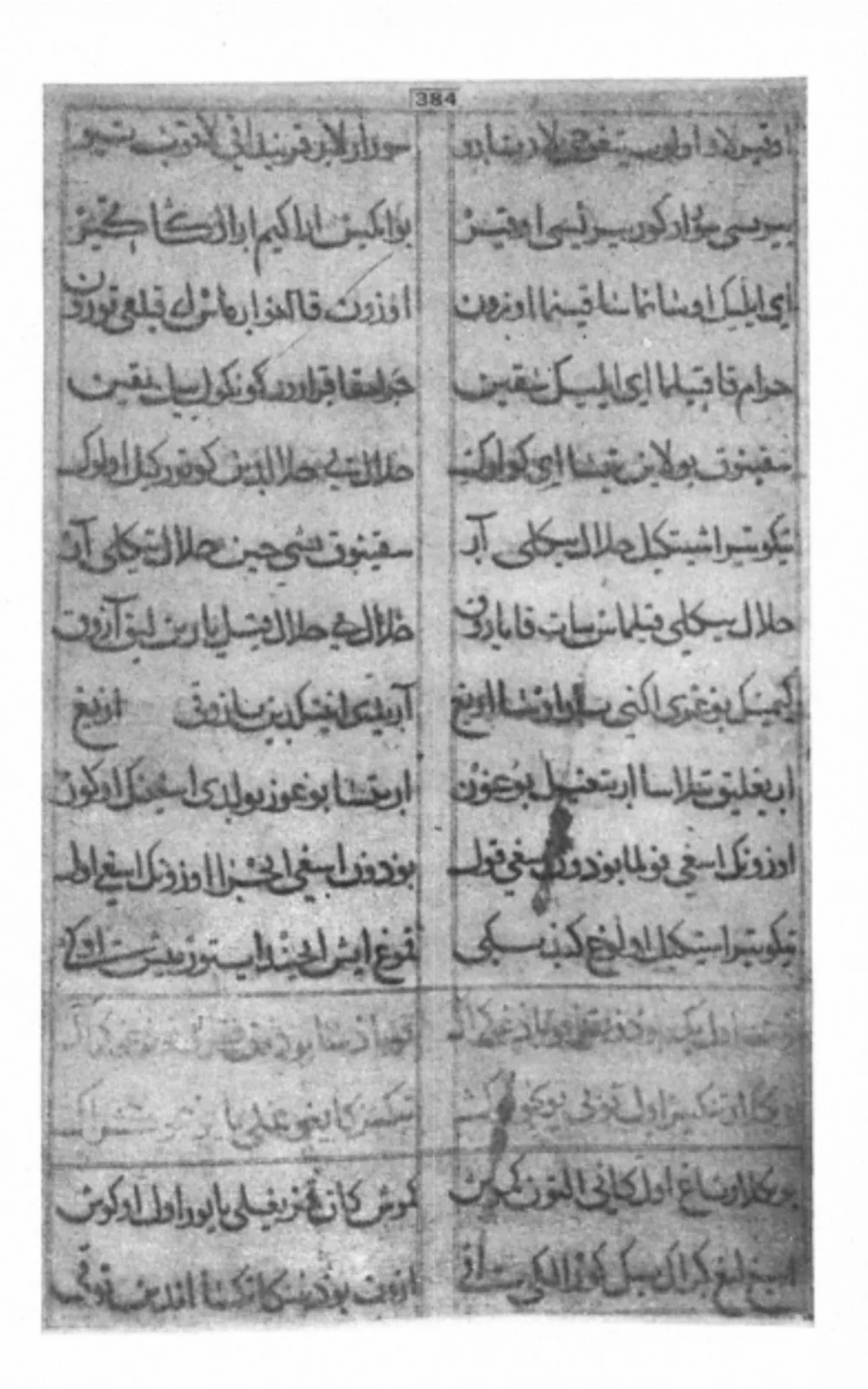
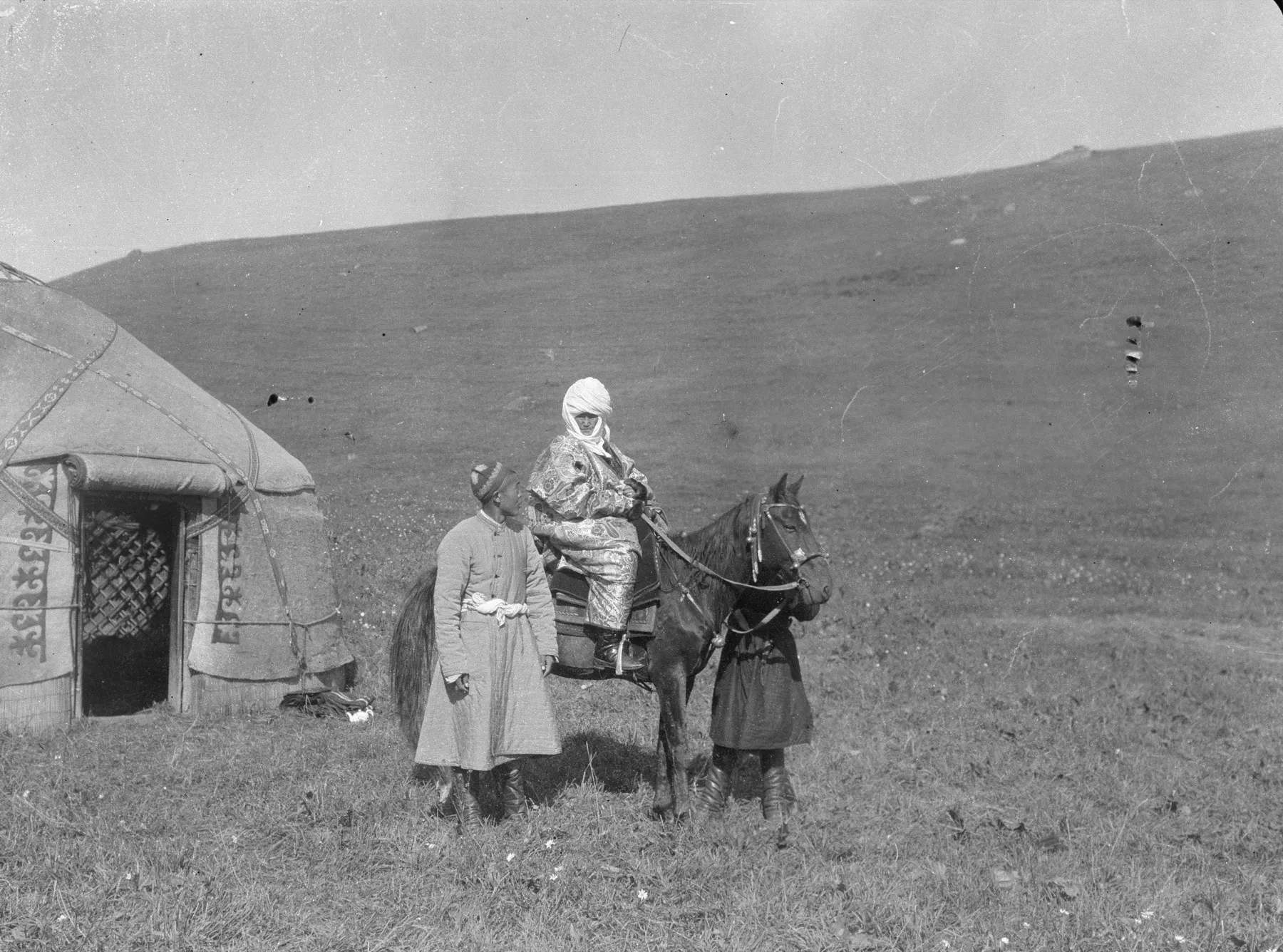
Chingiz Aitmatov A writer between Kyrgyz and Russian. From Jamila and The White Ship to major novels, diplomatic service and an international literary legacy. Togolok Moldo Akyn, Manas reciter and collector of folklore. How Bayymbet Abdrakhman uulu joined oral performance to manuscript, and why his portrait appears on the 20 som note. Toktogul Satylganov Improvising akyn and komuz virtuoso. The contest with Arzymat, Siberian exile, eighteen notated pieces and songs preserved by his students. Alykul Osmonov A lyric poet and exacting translator. From orphanages and early newspapers to Makhabat, Issyk-Kul and Kyrgyz versions of Rustaveli and Pushkin. Kasym Tynystanov Linguist, educator and architect of Kyrgyz-language schooling. Pioneering textbooks, writing reform, grammar and terminology, followed by repression and the recovery of his work. Sayakbay Karalaev A manaschi of extraordinary memory and dramatic force. An Issyk-Kul childhood, his teachers, the recording of 500,553 lines, his surviving voice and the meeting with Chingiz Aitmatov. Sagymbay Orozbakov The manaschi whose performance survives in ten handwritten books. Issyk-Kul and Kochkor, apprenticeship to older storytellers, the 1922-1926 transcription of 180,378 lines and Kyrgyzstan's first Memory of the World inscription. Kozhomkul Kaba Uulu A Suusamyr wrestler and local administrator. The documented biography, conflicting measurements, stories of a horse and stones, the village museum, wrestling memorial and Bishkek monument. Yusuf Balasaguni Author of an early Turko-Islamic mirror for princes. What can be known about the eleventh-century writer, how Kutadgu Bilig works and why its text must be recovered from three later manuscripts. Stage, film and visual art
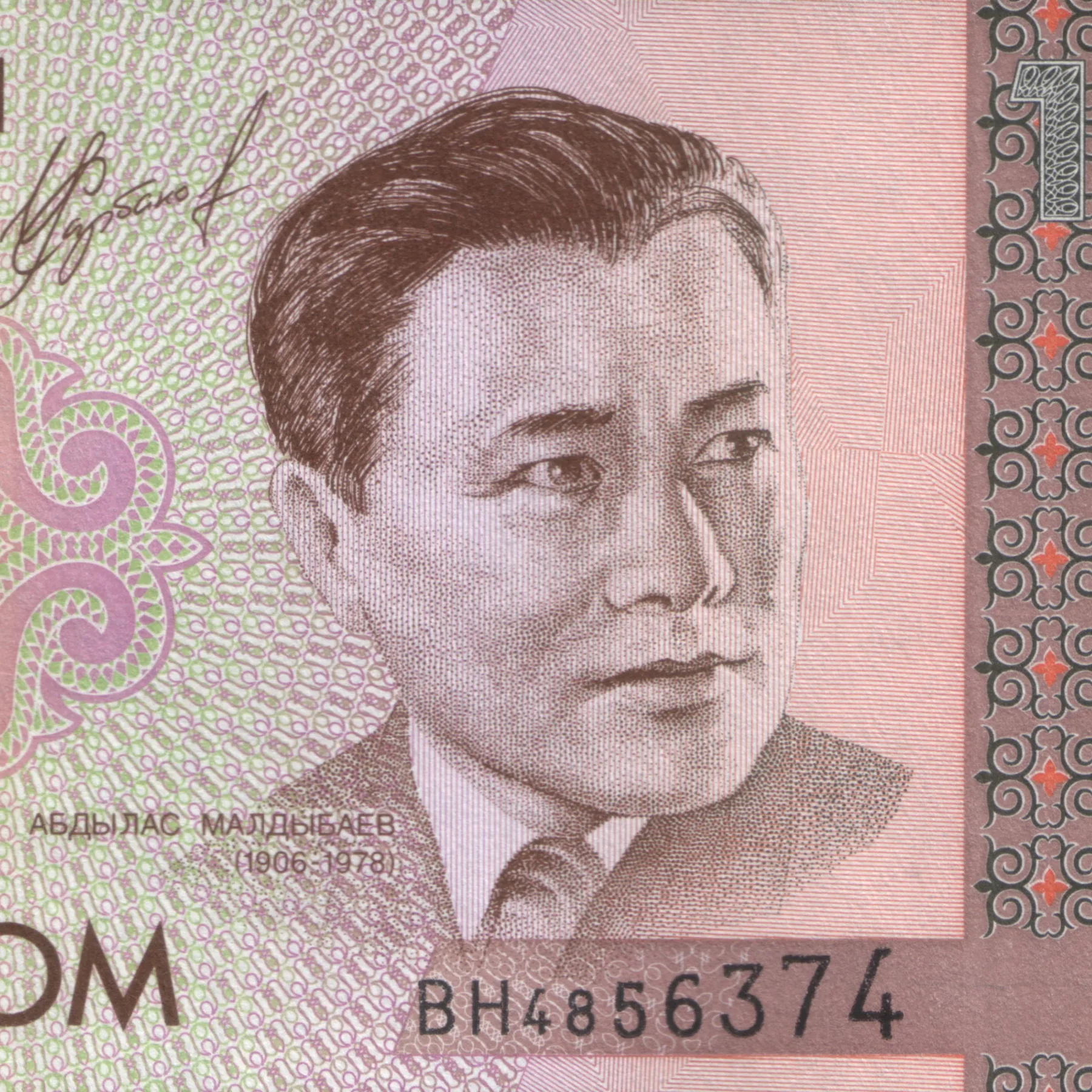
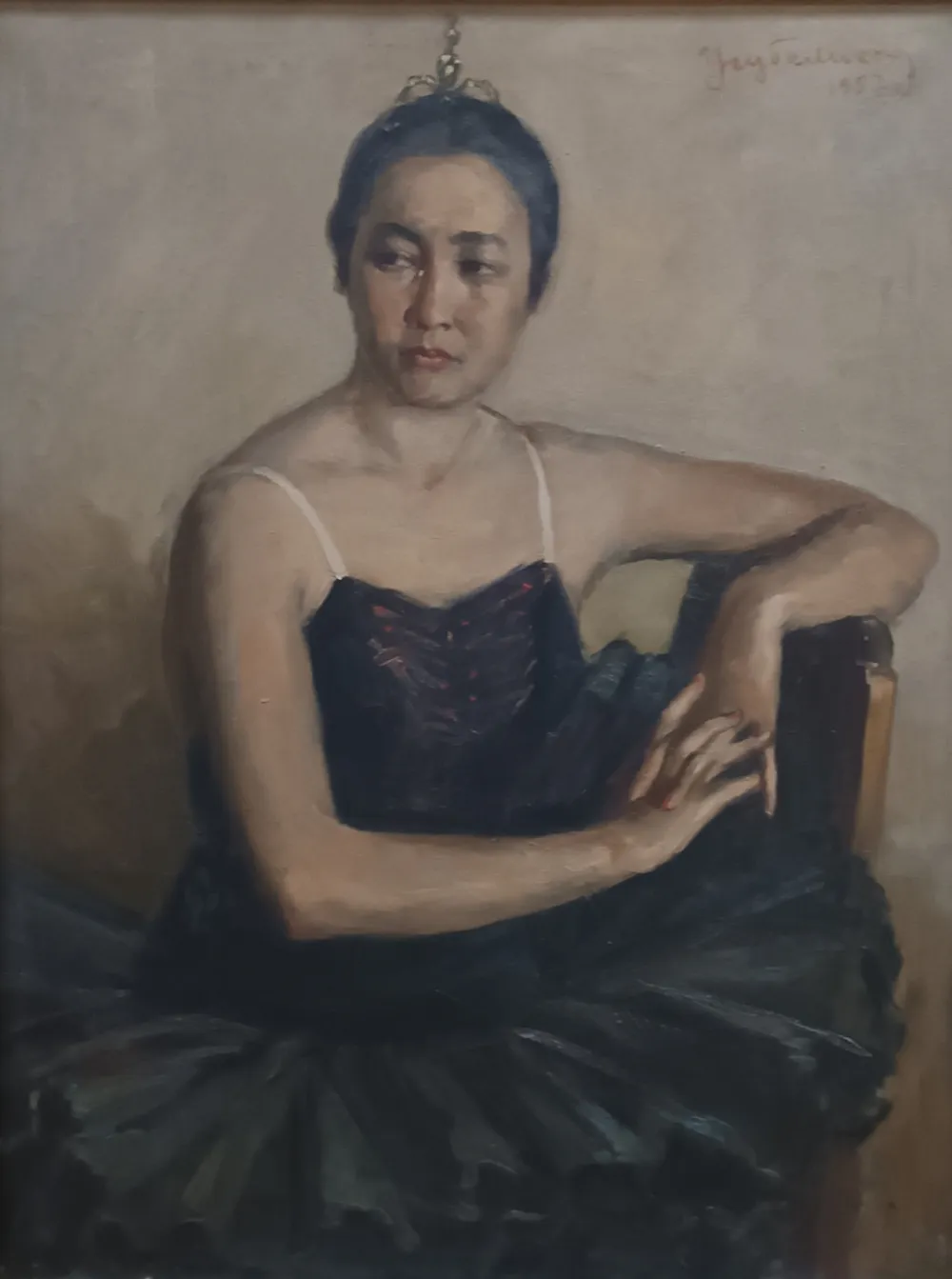
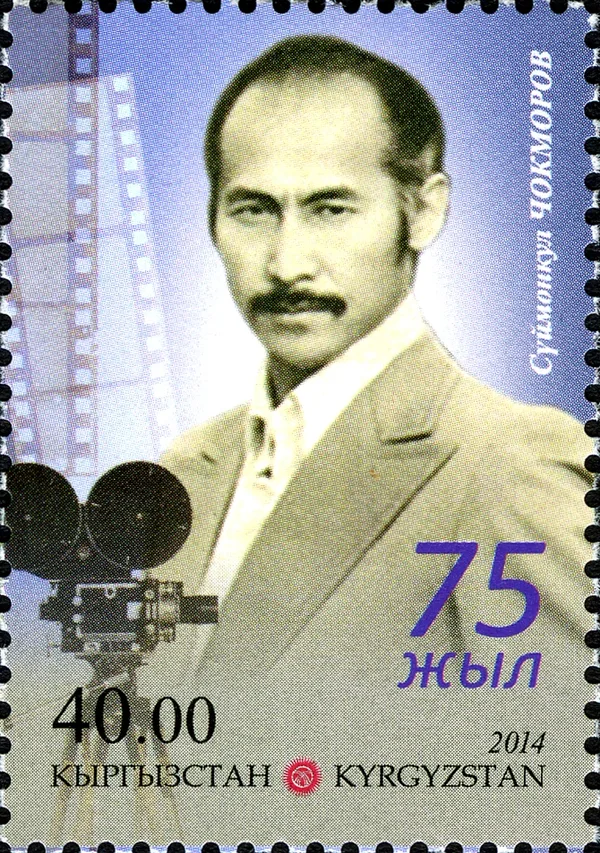
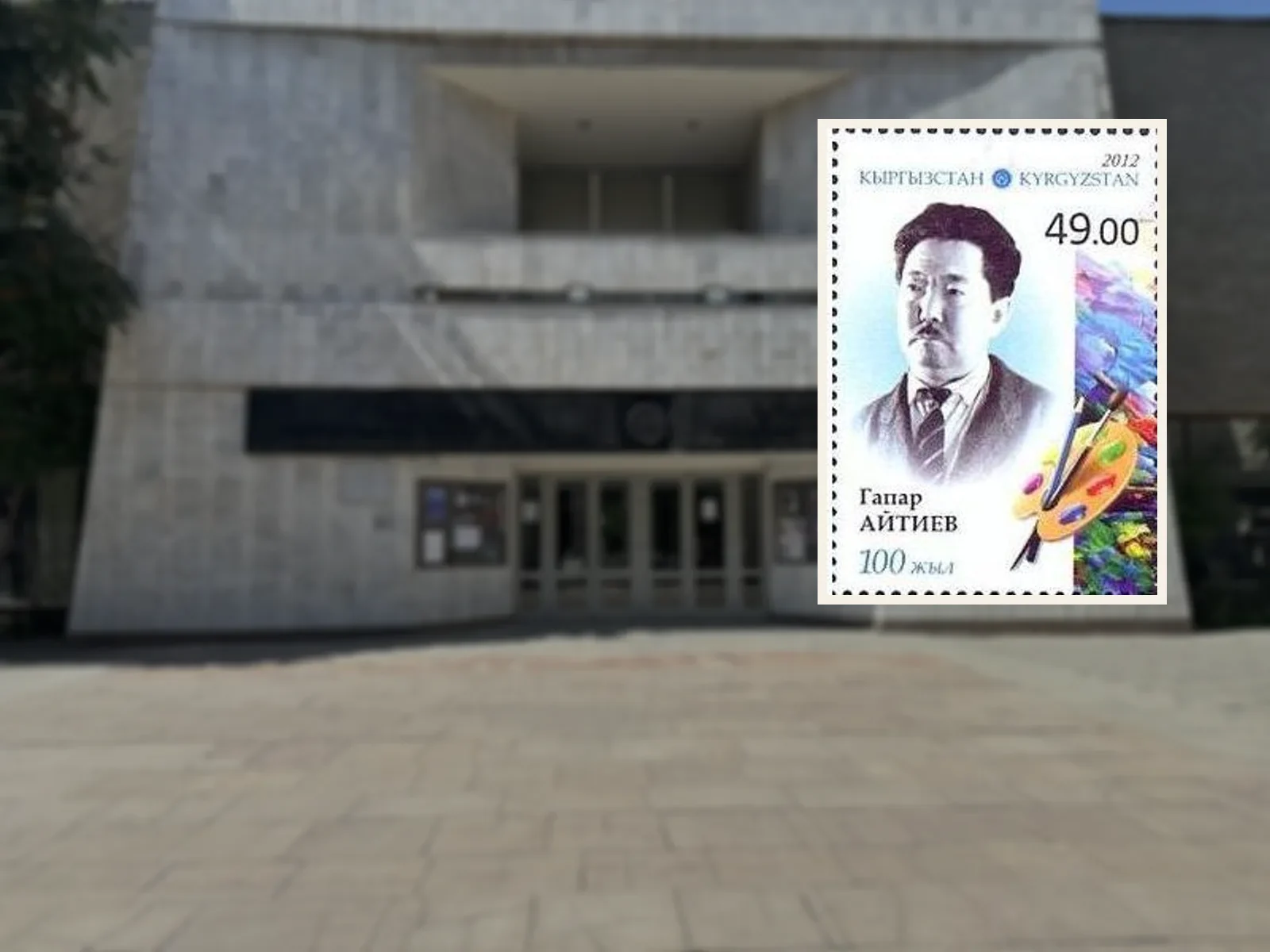
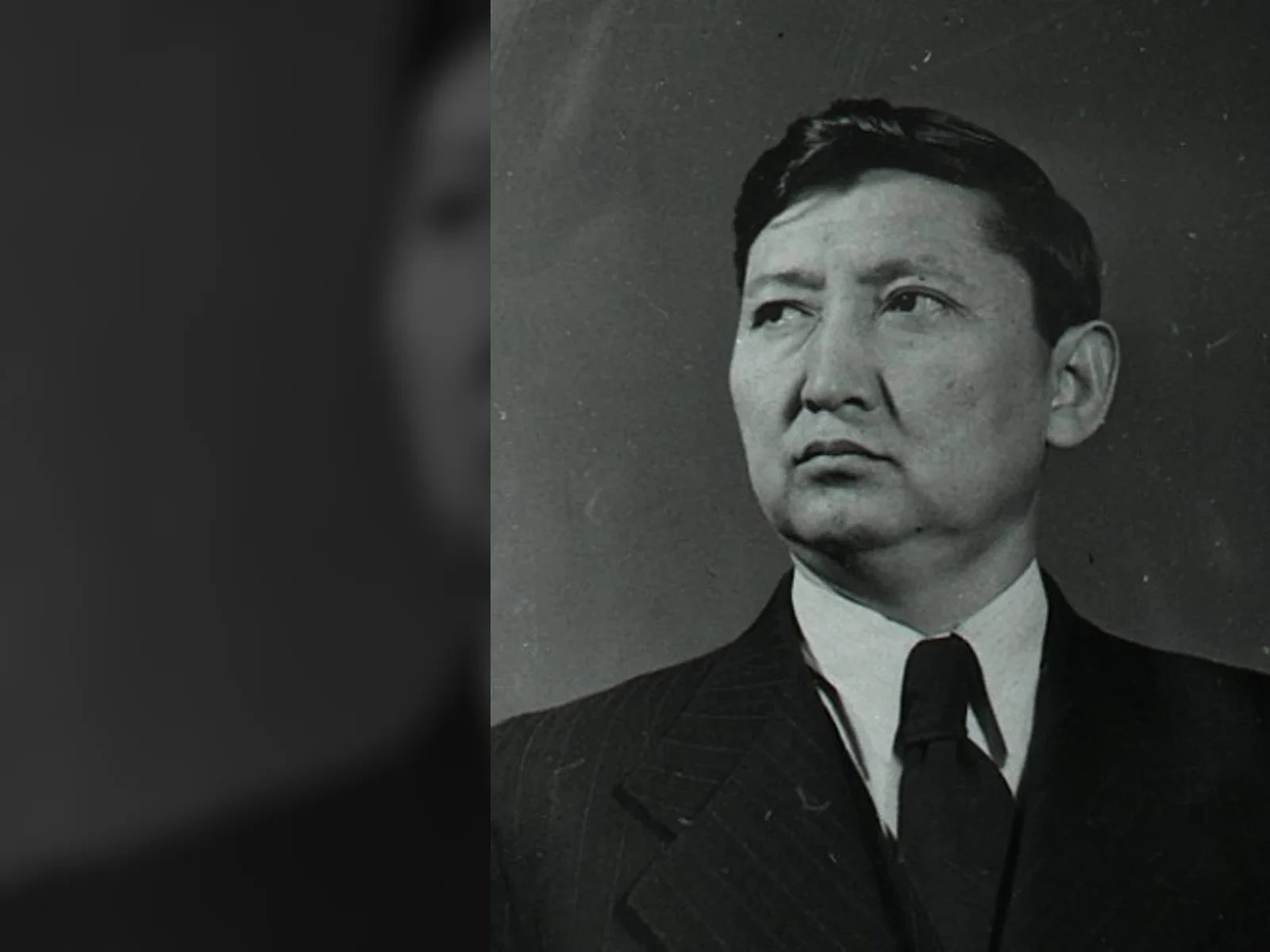
Abdylas Maldybaev Composer, tenor and a founder of Kyrgyz opera. From the nickname Yrchy bala and Frunze’s first music college to Aichurek, the Kirghiz SSR anthem and the theatre that bears his name. Bubusara Beyshenalieva Kyrgyzstan’s first ballerina and a founder of its national ballet tradition. Vaganova training, Cholpon, Odette-Odile, a landmark ballet film, teaching and her portrait on 5 som. Suimenkul Chokmorov A painter who became a defining face of Kyrgyz cinema. The Repin Institute, competitive volleyball, landmark film roles, four festival awards and a portrait on 5,000 som. Gapar Aitiev The painter who gave Kyrgyz landscape a professional visual language. Töleikon, Moscow training, Issyk-Kul and the Chüy Valley on canvas, theatre, sculpture and the building of artistic institutions. History and political power
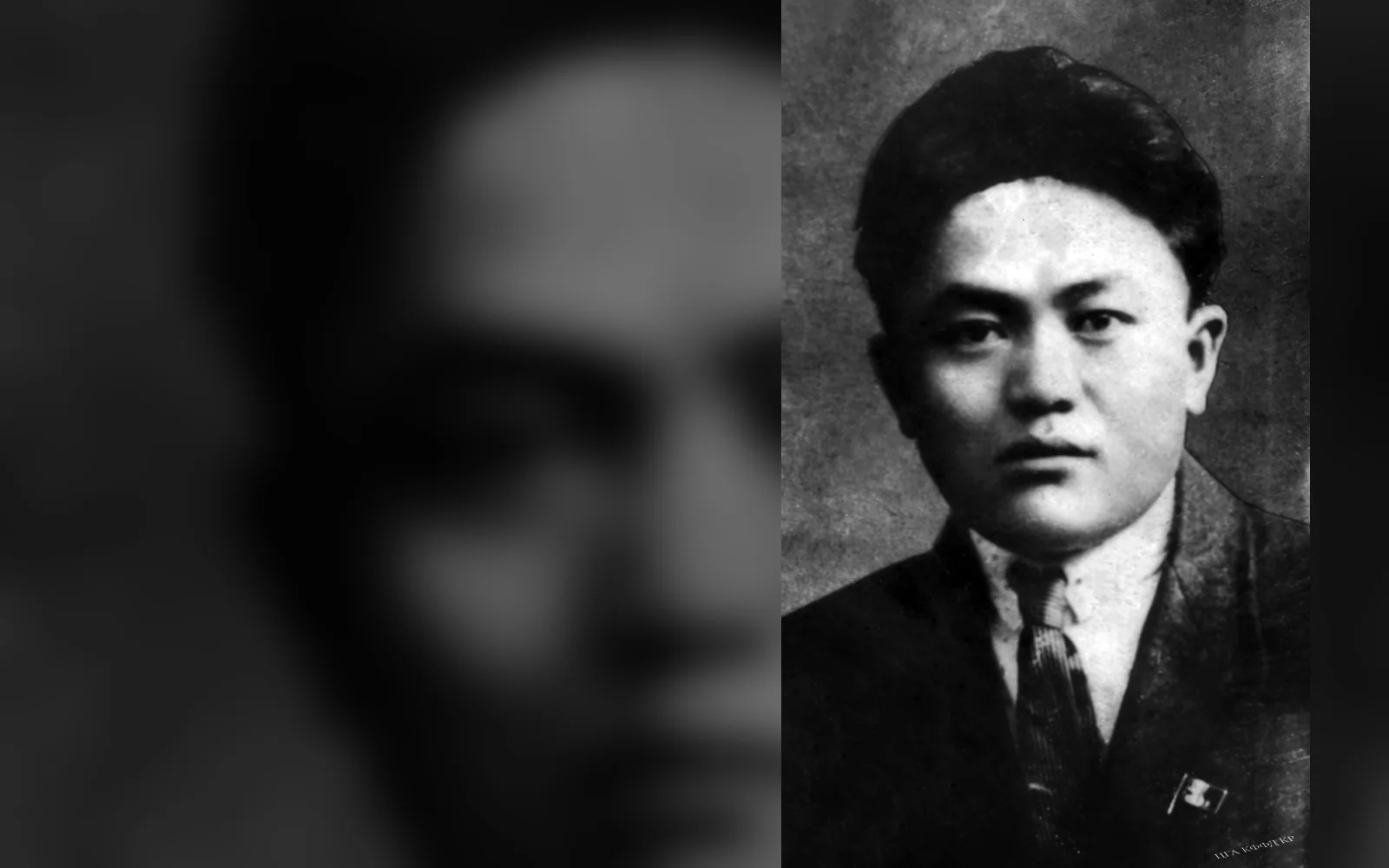
Kurmanjan Datka The leader of Alay during a transition between empires. Kokand and Bukhara, the Russian conquest, the fate of her sons and the line between documented biography and national legend. Iskhak Razzakov An economist who led post-war Kyrgyzstan. An orphanage and Moscow planning school, industry, new universities, the limits of Soviet power, his 1961 dismissal and the return of his public memory. Yusup Abdrakhmanov One of the founders of Kyrgyz autonomy. Urkun and revolution, national-territorial delimitation, the first government of the Kyrgyz ASSR, disputes over grain, a private diary and the tragedy of 1938. Ishenaly Arabaev The educator who made Kyrgyz a language of school and print. The 1911 primer, new-method schools, Erkin-Too, the recording of Manas, Kyrgyz autonomy and the tragedy of 1933. How the biographies work
Each article combines a concise chronology with key works and links to places that can be encountered while travelling. For writers, we do not reproduce long copyrighted passages; instead, the page helps readers choose a book and understand its historical setting.
When a person has a museum, a city landmark or a related cultural tradition, the biography connects those pages without repeating them. Practical visiting information, for example, belongs in the separate guide to the Chingiz Aitmatov House Museum.
If you found this guide useful, share it on social media. It takes a moment and helps more travellers discover the project. Thank you!
Anything to add?
Share your experience, leave a comment or suggest an improvement.