The flag of Kyrgyzstan: symbolism and the new design
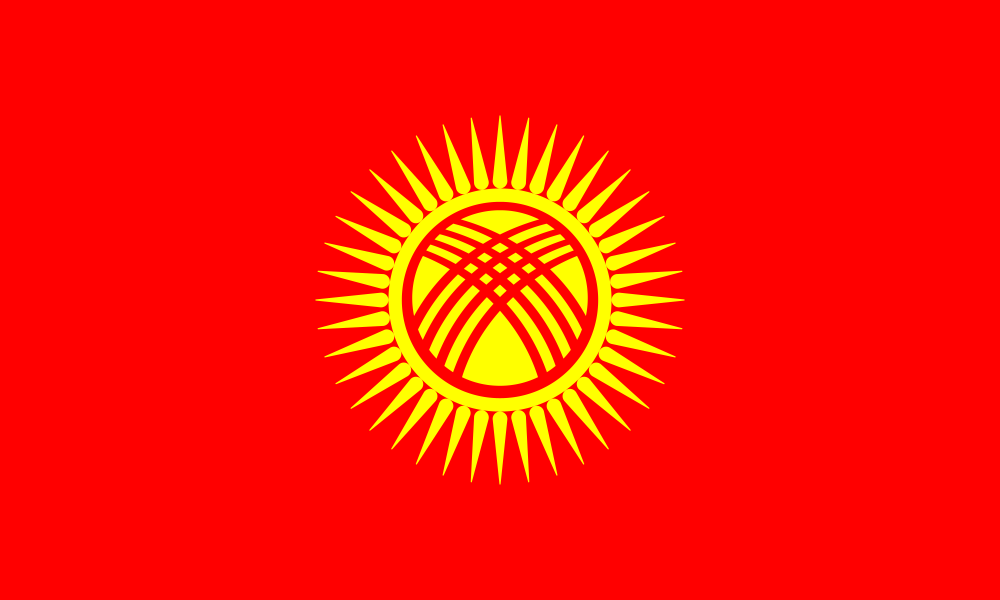
Kyrgyzstan’s flag is a red field bearing a golden sun with forty straight rays. Inside the solar disc is a red tunduk, the circular crown of a Kyrgyz yurt. The straight form of the rays was established by law on 22 December 2023.
Contents:
Elements and proportions
- The red field has a ratio of 3:5, meaning its width is three-fifths of its length.
- The golden sun consists of a circular disc and forty evenly spaced straight rays.
- The red tunduk sits inside the disc. It is the round crown of a yurt that joins the roof poles.
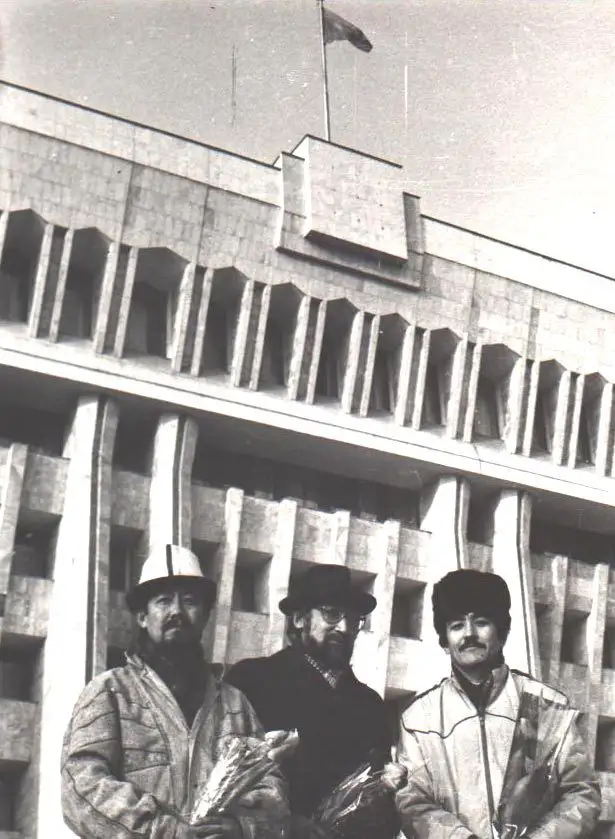
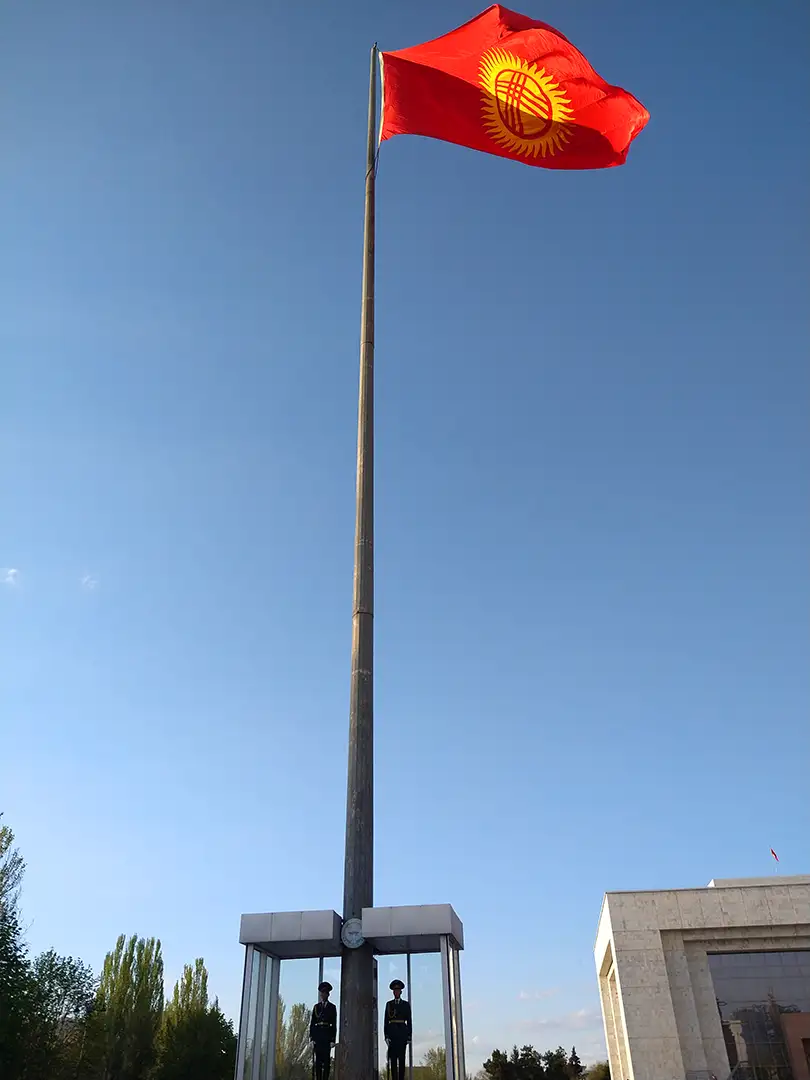 1/4. The earlier flag with wavy rays in an old photograph of Ala-Too Square
 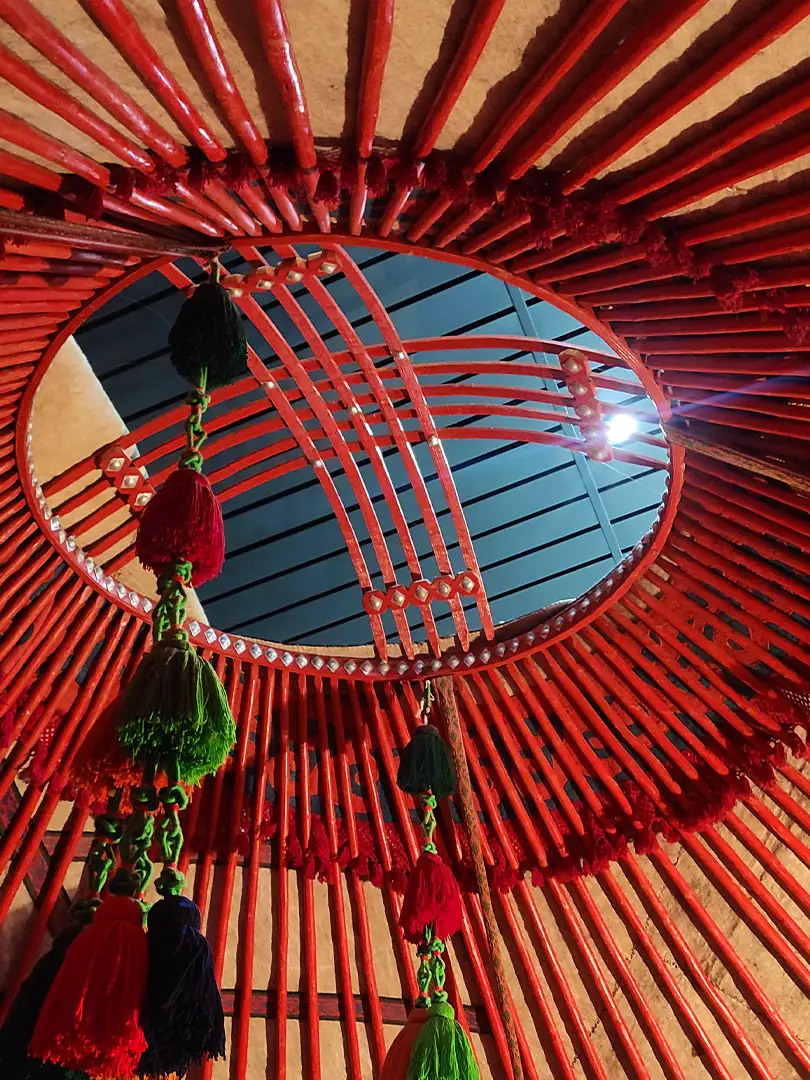 2/4. Tunduk: the crown of a yurt
 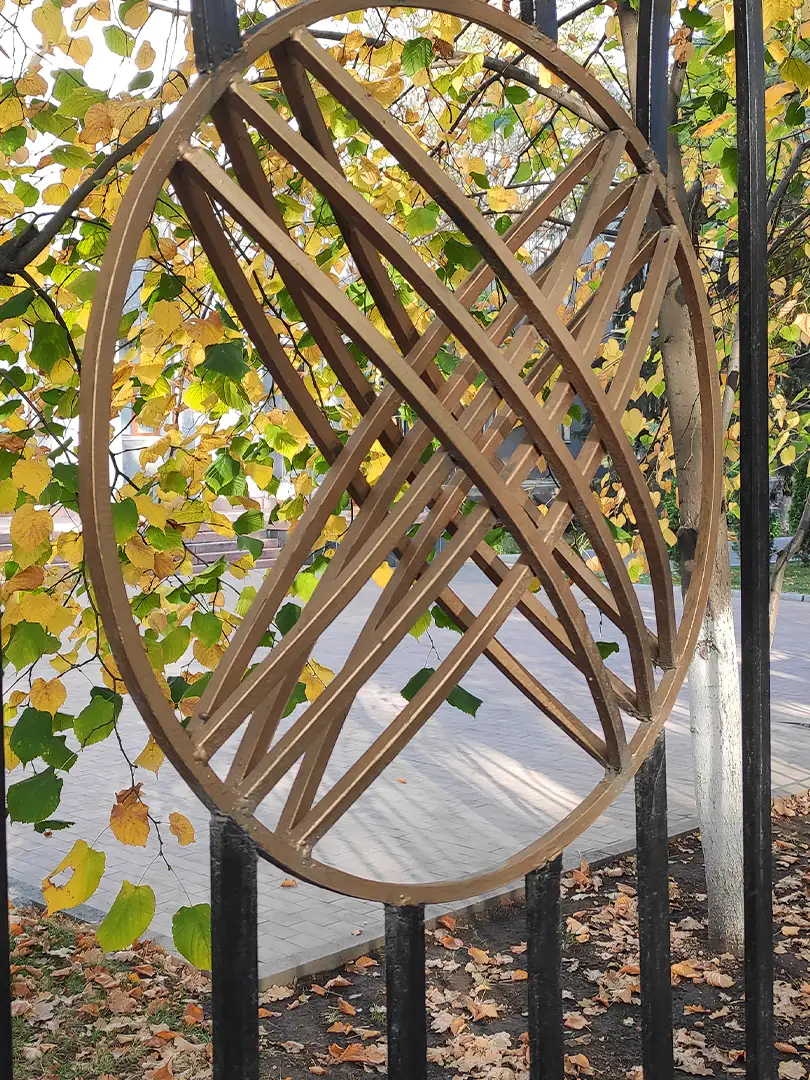 3/4. State symbols in the city
 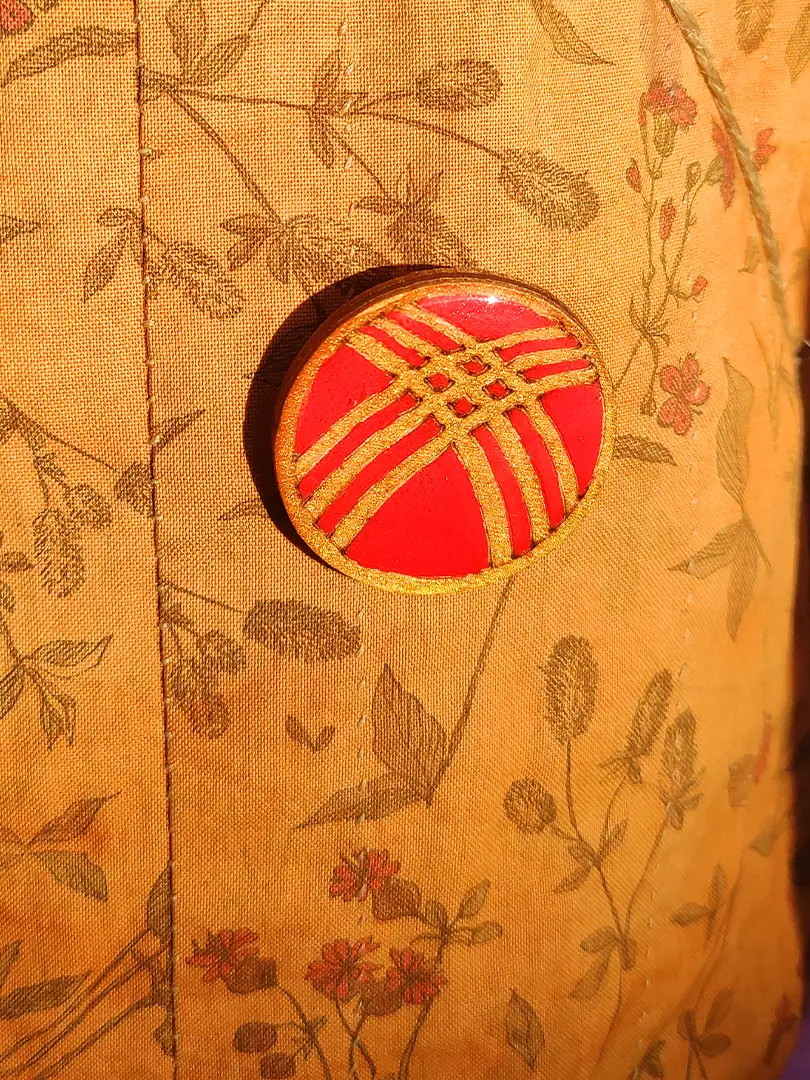 4/4. The tunduk is also used as a recognisable symbol in its own right
 Meaning of the symbols
The official interpretation associates red with valour and courage and the golden sun with peace and wealth. The forty rays represent the unification of forty ancient tribes into one Kyrgyzstan.
The tunduk symbolises the ancestral home and, more broadly, a shared home and the universe. Viewed from inside a yurt, its crossing elements appear against the sky. It works both as an exact part of a dwelling and an image of unity.
When the flag was adopted
 The flag was approved on 3 March 1992. Its designers were Edil Aidarbekov, Bekbosun Zhaichybekov, Sabyr Iptarov, Zhusup Mataev and Mamatbek Sydykov.
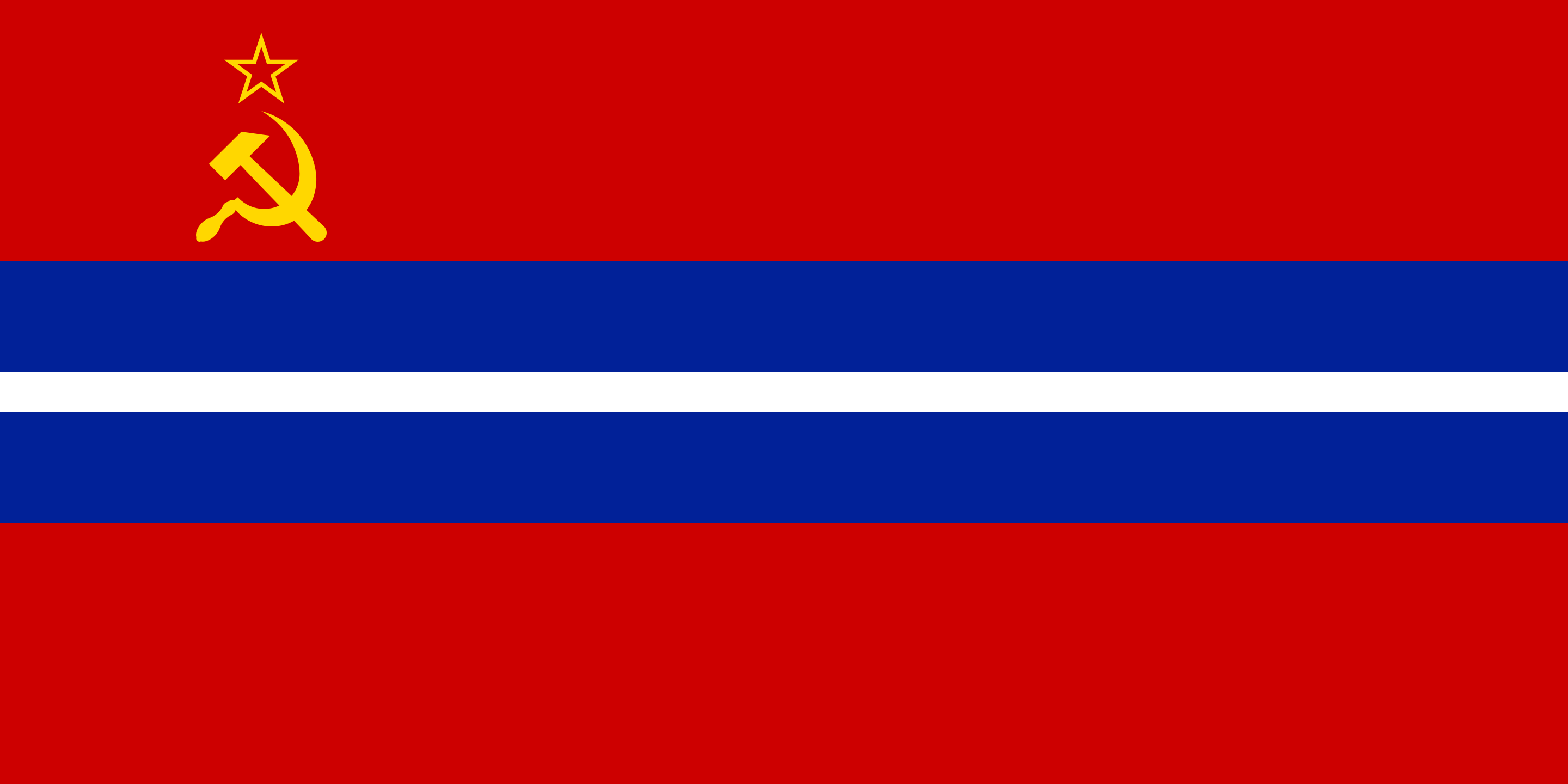
The new symbol appeared after the declaration of independence on 31 August 1991. Before it, the Kirghiz SSR used a red flag with blue and white stripes, a hammer and sickle and a star.
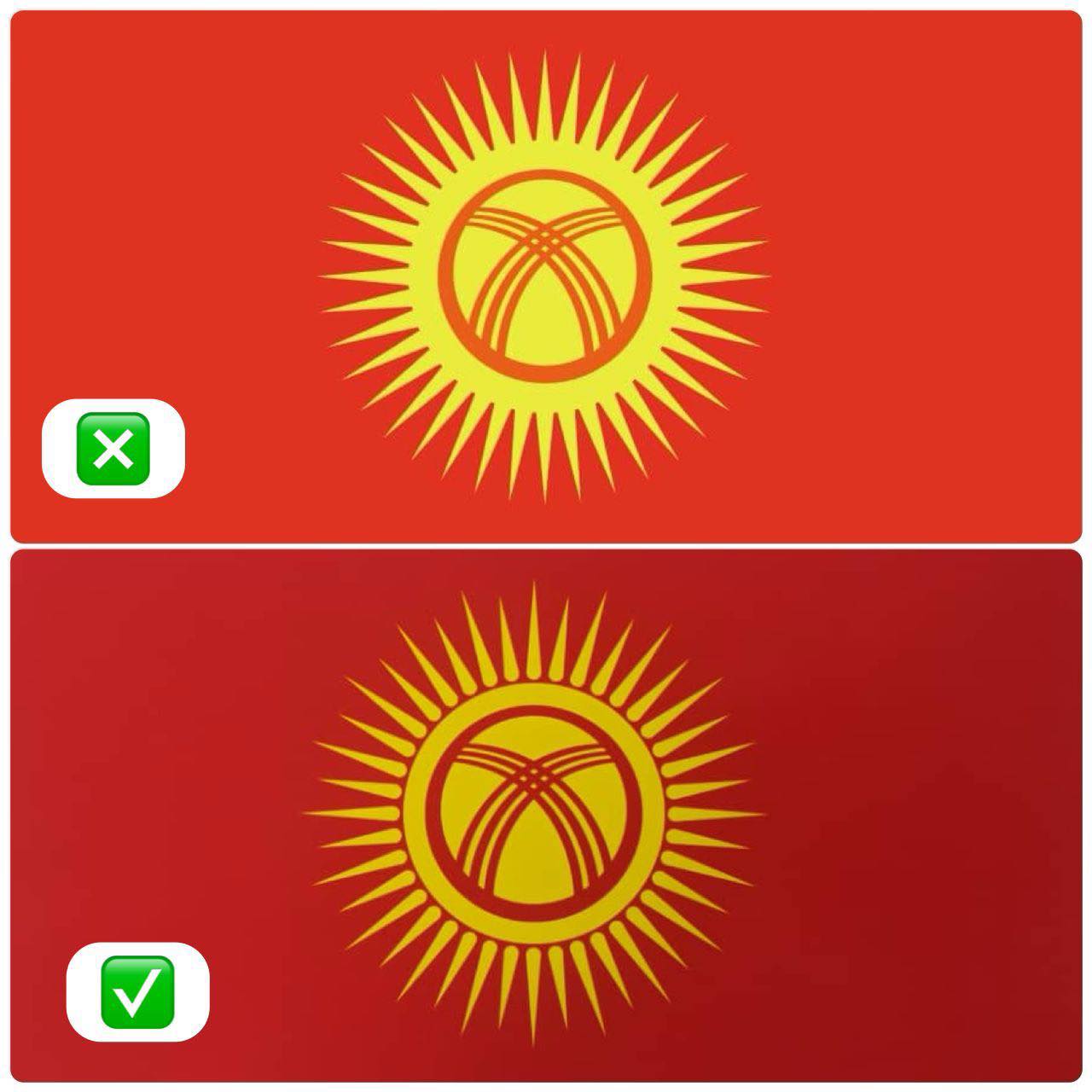
The main 1992 composition remained: red field, forty rays, solar disc and tunduk. In 2023, the state changed the graphic treatment of the rays and refined the tunduk without replacing the flag’s symbolic elements.
What changed in December 2023
Law No. 208 of 22 December 2023 replaced the wavy sun rays with straight ones. The revised tunduk shows four chamgaraks instead of three. Flags with wavy rays found in older photographs, souvenirs and signs therefore belong to the 1992-2023 design.
The amendment included a transition period for documents and objects already produced. Passports and driving licences bearing the earlier image, for example, remain valid until their expiry. The old flag image does not invalidate a current document.
Primary official source: the text of Law No. 208 in the Ministry of Justice database.
The national emblem in brief
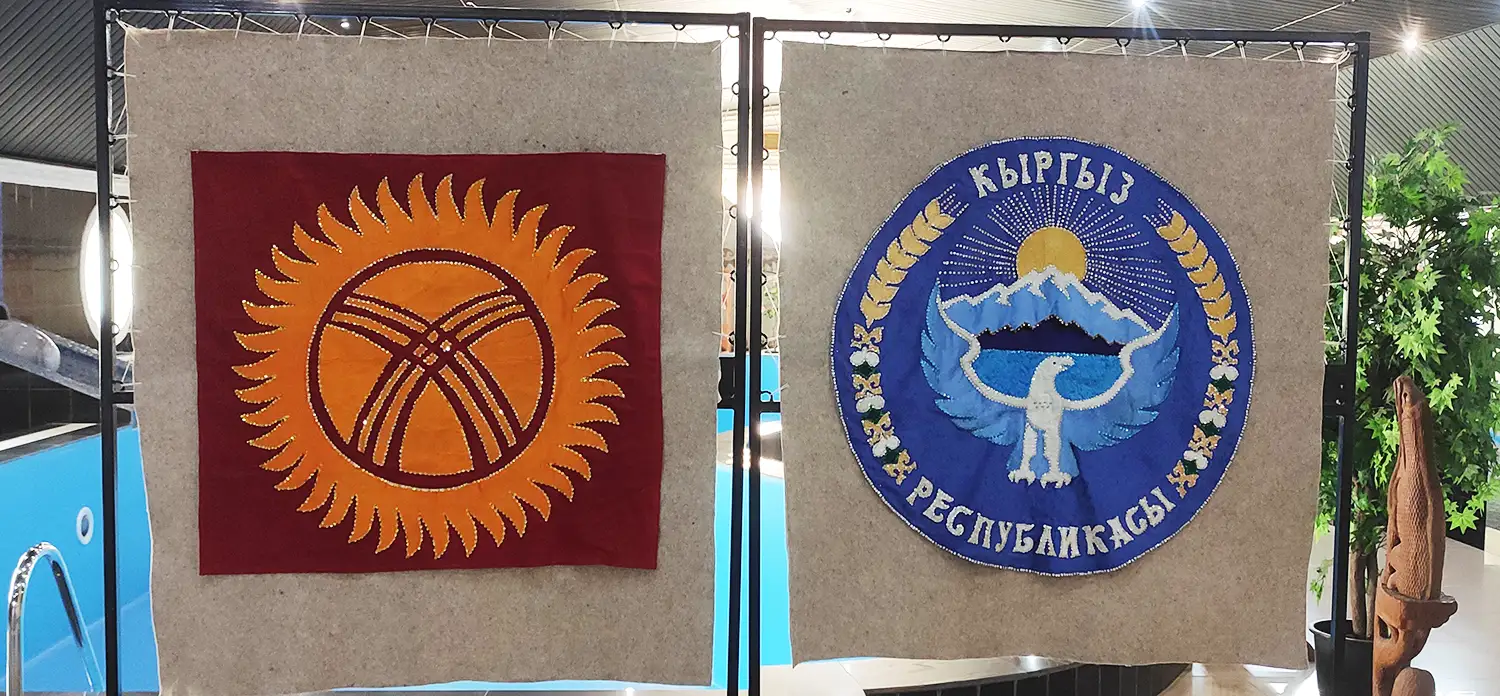
The emblem was approved on 14 January 1994. At its centre is the white falcon Ak-Shumkar with wings spread, with Issyk-Kul, the Ala-Too mountains and a rising sun behind it. Wheat and open cotton bolls frame the scene, and the words “Кыргыз Республикасы” appear above and below.
The state emblem contains neither a tunduk nor crossed komuz instruments. These details are often incorrectly transferred from descriptions of the flag and other national ornaments.
Frequently asked questions about the flag
How many rays are on the flag of Kyrgyzstan?
Forty. They radiate evenly from the solar disc and, in the official interpretation, represent the unification of forty ancient tribes into one Kyrgyzstan.
What is in the centre of the sun?
A red tunduk, the circular crown of a Kyrgyz yurt. It symbolises the ancestral and shared home.
Why are the rays wavy in old photographs?
That was the design adopted in 1992. The law of 22 December 2023 made the rays straight and refined the tunduk.
When was the national flag adopted?
The flag of independent Kyrgyzstan was approved on 3 March 1992. The date is observed as National Flag Day.
Are documents showing the old flag still valid?
Yes. The law allows the listed documents bearing the 1992 design to remain valid until their normal expiry.
Share on social media
If you found this guide useful, share it on social media. It takes a moment and helps more travellers discover the project. Thank you!
Anything to add?
Share your experience, leave a comment or suggest an improvement.